Norms Impact
Over half of Americans say health care, a weeklong vacation and a new car are unaffordable: ABC News/Washington Post/Ipsos poll
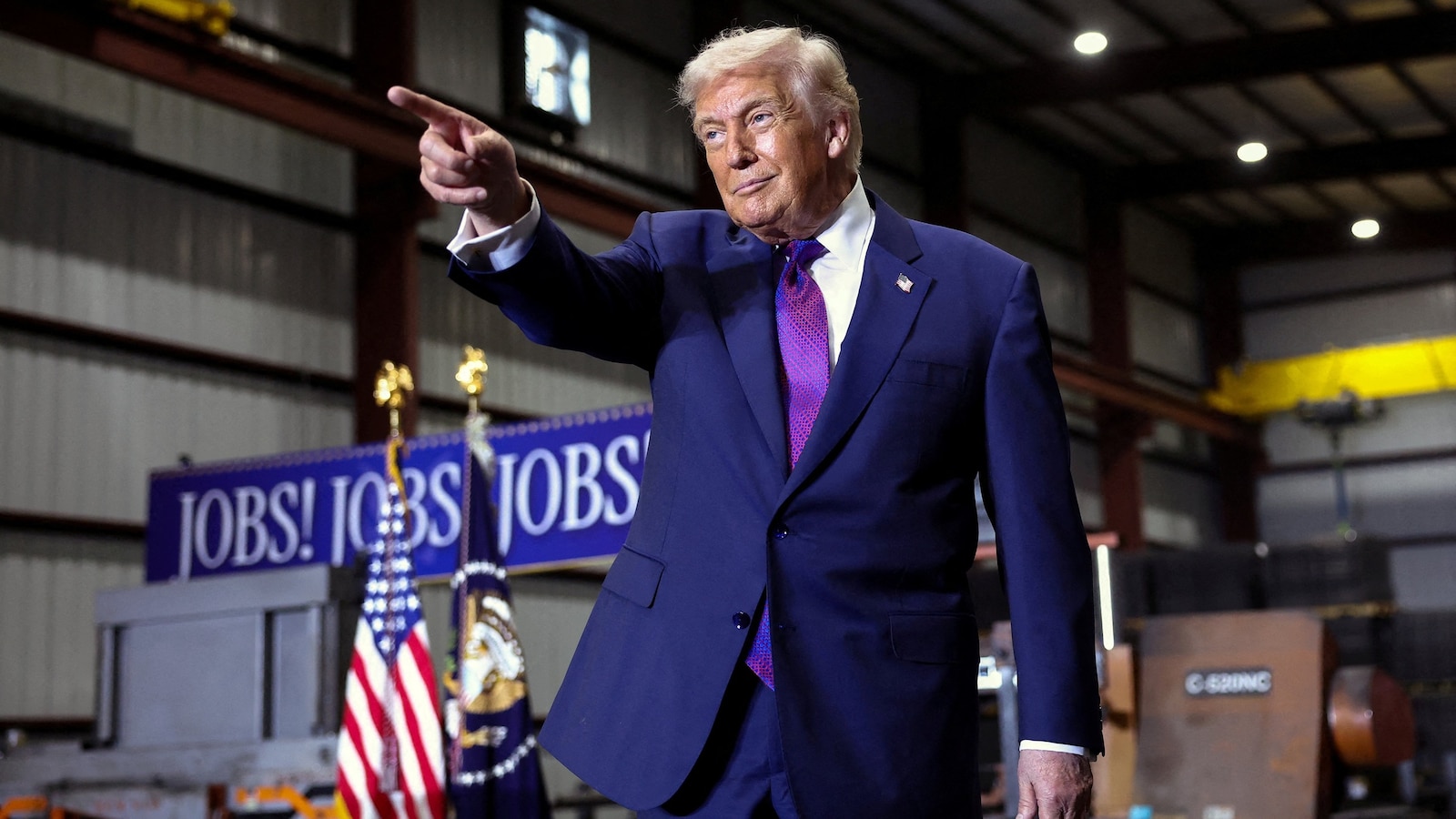
As affordability worsens on essentials, a president campaigns on relief while publicly touting a “roaring economy,” straining the norm that economic claims track lived household conditions.
Sources
Summary
Majorities of Americans say a new car (74%), a weeklong vacation (60%), and health care (56%) are unaffordable for their households, and about two-thirds of non-homeowners say they do not expect to afford a home. The poll data lands as President Donald Trump campaigns on affordability and publicly touts a “roaring economy.” The practical consequence is a widening gap between what households need and what they believe they can buy, shaping voting behavior heading into midterms.
Reality Check
When national leaders sell an economic story that millions of households do not recognize in their bills, we normalize governance by narrative rather than measurable conditions, and our leverage as citizens to demand accountability shrinks. Nothing described here is likely criminal, because polling, campaigning, and even inflated rhetoric about economic performance generally fall outside federal criminal prohibitions absent fraud or coercion aimed at obtaining money, property, or votes through unlawful means. The damage is institutional: making affordability a campaign pillar while the public reports broad unaffordability and debt erodes the expectation that elected officials align policy claims with observable household outcomes. In a midterm cycle, that mismatch hardens into a tool—turning economic anxiety into partisan sorting rather than a mandate to solve the underlying affordability crisis.
Detail
<p>An ABC News/Washington Post/Ipsos poll conducted Feb. 12-17, 2026, among 2,589 U.S. adults found majorities describing several common expenses as unaffordable for their households: a new car (74%), a weeklong vacation (60%), and health care (56%). Nearly half said going out to dinner is unaffordable (49%), with similar shares saying groceries (45%) and home energy and utilities (45%) are unaffordable; majorities said gasoline (71%) and rent or mortgage (60%) are affordable.</p><p>About two-thirds of Americans who do not own a home said they do not think they will be able to afford to buy a home in the foreseeable future, including majorities across income levels who do not think they can afford a home they would want. Renters reported a gap between desire and expectation: 74% said they want to buy a home, while 65% said they think they will be able to.</p><p>The poll also found 46% reporting at least some debt, including 15% with “a lot” of debt, and reported differences by age, gender, income, race and ethnicity, and party identification. It was conducted before Trump’s Tuesday night State of the Union address.</p>