Norms Impact
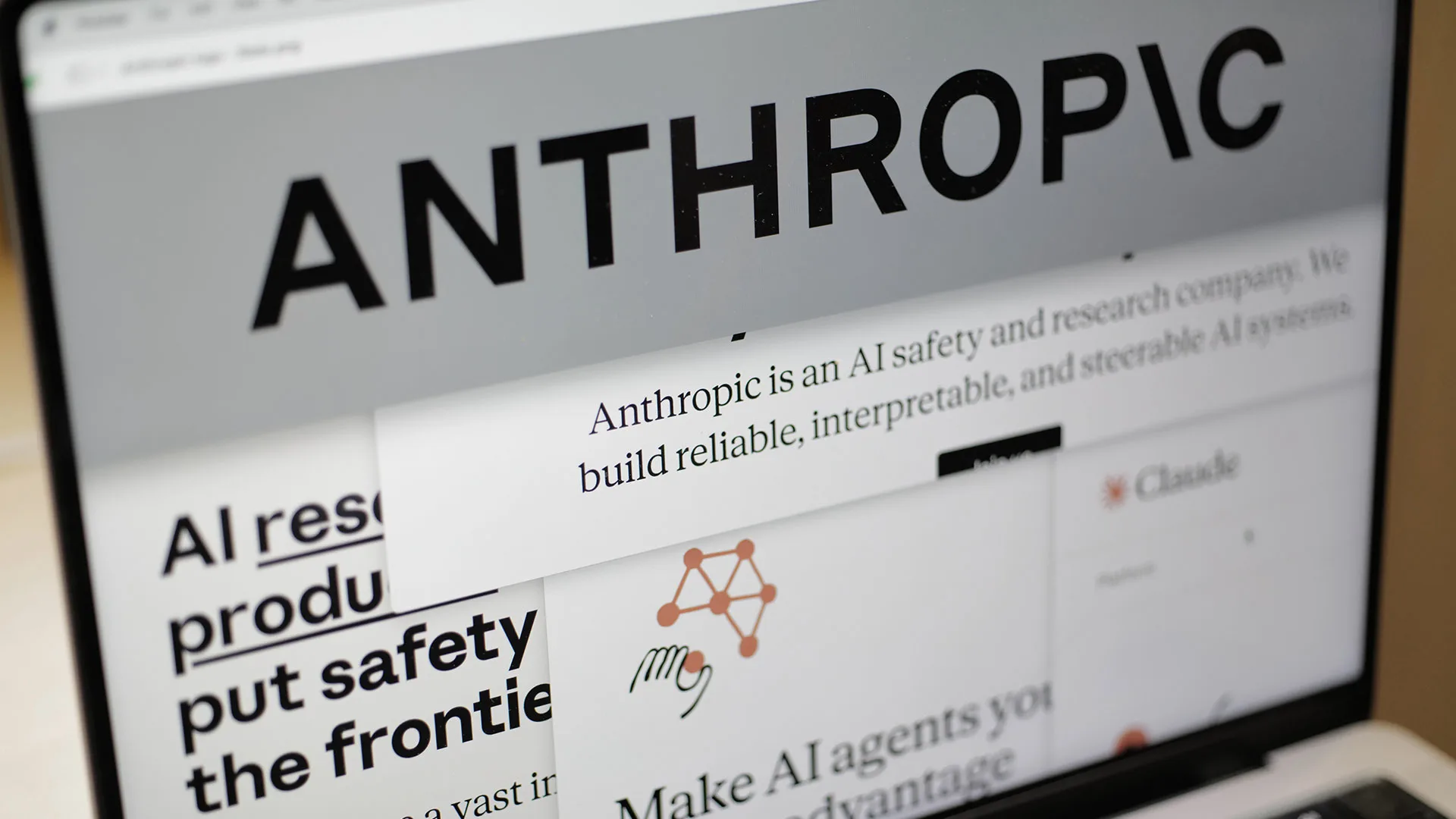
Pentagon follows through with its threat, labels Anthropic a supply chain risk
The Pentagon used a foreign-adversary supply-chain weapon against a domestic company, turning national-security procurement power into a tool to punish refusal to relax safeguards.
Mar 6, 2026
⚖ Legal Exposure
Sources
Summary
The Pentagon labeled Anthropic a supply chain risk under authorities meant to counter foreign-adversary threats, effective immediately. This applies a national-security procurement tool to a domestic firm after a dispute over safeguards tied to surveillance and autonomous weapons. The designation reshapes defense AI acquisition by blacklisting a U.S. company and clearing space for rivals in classified military environments.
Reality Check
When national-security procurement authorities built to block foreign infiltration are repurposed against domestic firms, we weaken the guardrails that separate security from coercion. This precedent invites agencies to use exclusionary designations to discipline policy disagreements, chilling independent corporate judgment and narrowing the range of safe, lawful technologies government can access. Over time, it conditions the public to accept opaque, high-impact bans as normal administrative behavior, eroding accountability and concentrating discretionary power inside the executive branch.
Legal Summary
The Pentagon’s designation of Anthropic as a “supply chain risk” is portrayed as a potentially pretextual or retaliatory use of a national-security tool against a domestic firm, creating meaningful administrative-law and abuse-of-authority exposure. The article provides no facts of personal enrichment, payments, or transactional exchange, so the risk profile is chiefly procedural/politicization rather than classic prosecutable structural corruption.
Legal Analysis
<h3>5 U.S.C. § 706(2)(A) (APA) — Arbitrary and capricious agency action</h3><ul><li>Allegations characterize the Pentagon’s “supply chain risk” designation as a tool intended for adversary-controlled technology being applied to a “domestic American company,” suggesting potential mismatch between statutory purpose and agency application.</li><li>If the designation was used to penalize Anthropic for “declining to remove safeguards against mass domestic surveillance and fully autonomous weapons,” that framing raises risk the action could be challenged as pretextual or irrational relative to the stated national-security risk standard.</li></ul><h3>18 U.S.C. § 242 — Deprivation of rights under color of law (theory only; major gaps)</h3><ul><li>The article alleges punitive government action connected to a company’s stance on surveillance/autonomous weapons; however, the context does not provide facts of specific constitutional right deprivation, intent, or targeted individuals sufficient to support this statute.</li></ul><h3>18 U.S.C. § 201 — Bribery of public officials (not indicated)</h3><ul><li>No facts describe payments, gifts, or personal benefit to any official tied to the designation; the narrative instead presents policy/retaliation concerns and procurement substitution by a competitor.</li></ul><b>Conclusion:</b> The described conduct presents a serious investigative red flag centered on potential misuse or pretextual deployment of a national-security authority (procedural/political irregularity), not a money-access-official-act quid-pro-quo pattern based on the provided facts.
Detail
<p>The Department of Defense designated Anthropic a “supply chain risk,” invoking a rule aimed at threats where an adversary could sabotage, introduce unwanted functions, or subvert systems to disrupt, degrade, or spy. The designation was applied to a domestic U.S. company and took effect immediately.</p><p>U.S. Sen. Kirsten Gillibrand, a member of the Senate Armed Services and Senate Intelligence Committees, criticized the action as misuse of an authority intended for adversary-controlled technology. A group of former defense and national security officials, including former CIA director Michael Hayden and retired military leaders, sent a letter to lawmakers warning the move departs from the authority’s intended purpose and sets a precedent.</p><p>Following the Pentagon’s action last Friday, OpenAI announced a deal to replace Anthropic with ChatGPT in classified military environments. Anthropic reported a surge in consumer sign-ups for Claude during the week of the dispute.</p>