Norms Impact
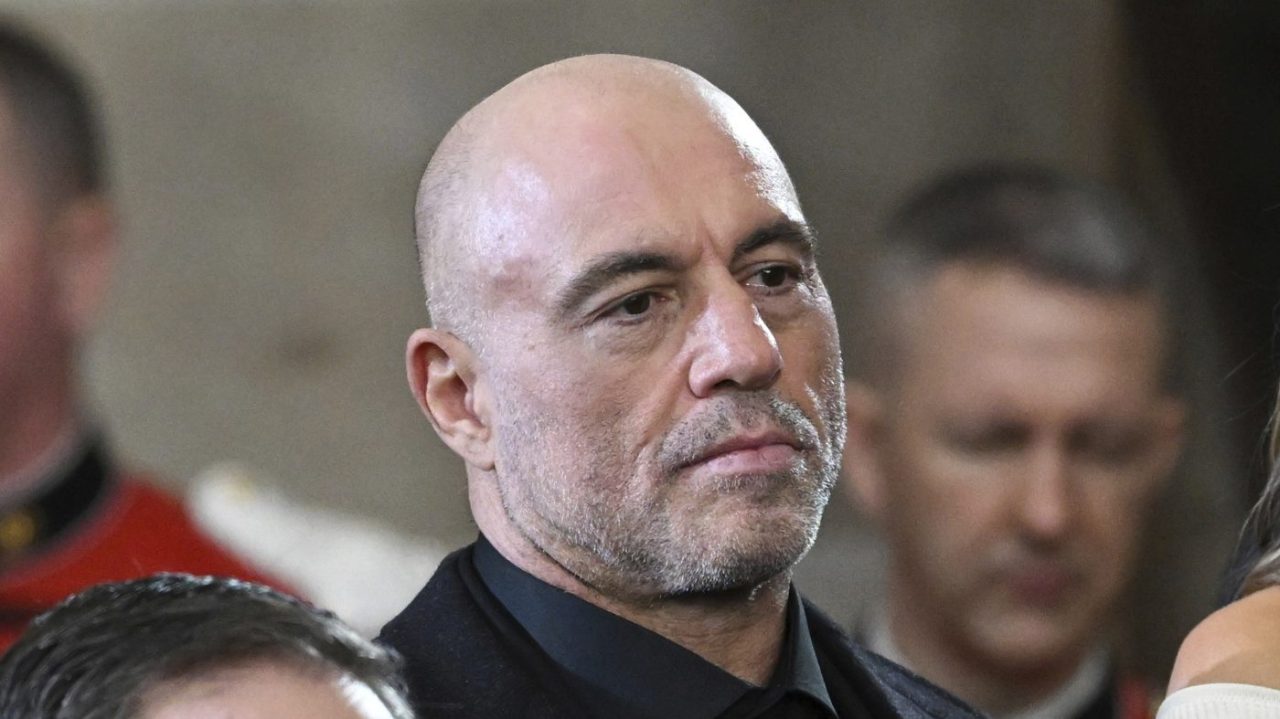
Rogan: Epstein files ‘scare the s‑‑‑ out of me,’ ‘definitely not a hoax’
When the White House brands Epstein records a “hoax” while DOJ redactions shape what the public can see, transparency becomes a tool of political shielding instead of accountability.
Feb 13, 2026
Sources
Summary
Joe Rogan said the Jeffrey Epstein files “scare the s‑‑‑” out of him and are “definitely not a hoax,” while criticizing Department of Justice redactions. A public-facing narrative from the presidency calling the files a “hoax” is colliding with executive-branch control over disclosure and redaction. The result is heightened public suspicion that federal transparency is being managed for political protection rather than public accountability.
Reality Check
The danger here is the normalization of executive-branch narrative control over law-enforcement disclosure—calling sensitive records a “hoax” while the same government controls redactions invites governance by insinuation, not accountable fact. Nothing described suggests a prosecutable act by Rogan; the conduct at issue is institutional: DOJ redactions that “look terrible” in a politically charged context. Even if not criminal on these facts, it corrodes core anti-corruption norms by making public access to consequential information appear contingent on political interest, weakening our ability to demand equal, nonpartisan administration of justice.
Detail
<p>Joe Rogan discussed the Jeffrey Epstein files on his podcast during episodes aired Tuesday and Thursday, including a conversation Thursday with Black Rifle Coffee Co. Chair Evan Hafer.</p><p>Rogan said the files “scare the s‑‑‑” out of him and are “definitely not a hoax.” He also said “literally demonic human beings” are “running the world,” referring to people implicated by the materials.</p><p>Rogan addressed his name appearing in the files by describing a 2017 email from Epstein to theoretical physicist Lawrence Krauss after Krauss appeared on Rogan’s show. Epstein asked Krauss if he could introduce him to Rogan; Krauss reached out and later said he never heard back from Rogan. Rogan said he declined any potential meeting.</p><p>Across both episodes, Rogan criticized redactions made by the Department of Justice, saying they “look[] terrible” for President Trump and his administration, which have called the files a “hoax.” Rogan argued that redacting names of non-victims is not victim protection.</p>