Norms Impact
Shouldn’t the Surgeon General Have a Medical License?
Installing a surgeon general who will not maintain a medical license breaks the professional baseline our public-health leadership relies on to credibly guide the nation.
Feb 26, 2026
Sources
Summary
The administration is seeking to install Dr. Casey Means as surgeon general while she has no plans to revive her medical license. The nomination signals a shift toward elevating “wellness” branding and vaccine skepticism inside federal public-health leadership. The practical consequence is weakened credibility and authority for federal health guidance that depends on professional standards and public trust.
Reality Check
Normalizing unlicensed federal public-health leadership weakens the guardrails that separate evidence-based governance from personal branding and political loyalty. When top health messengers are detached from basic professional accountability, our institutions lose the authority needed to set standards in crises and counter misinformation. Over time, that precedent conditions the public to accept degraded competence as an acceptable substitute for qualified, regulated leadership.
Detail
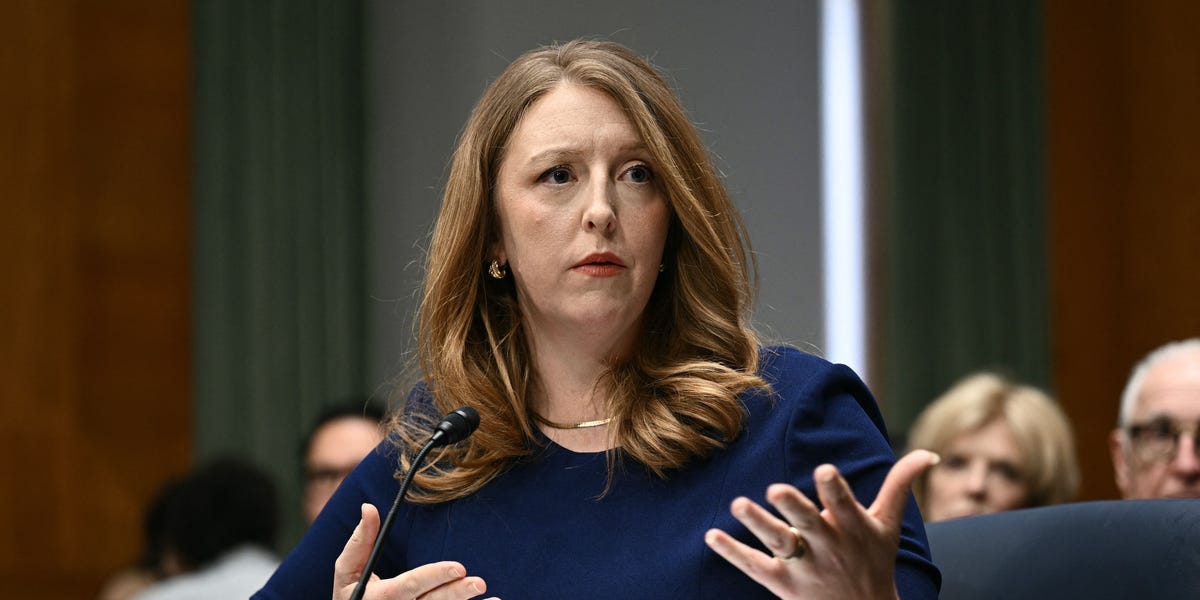
<p>Dr. Casey Means testified before Congress on Wednesday as the administration pursued her as its pick for surgeon general.</p><p>During the testimony, Means indicated she has no plans to revive her medical license. Her appearance addressed her career in the wellness space, including questioning about her public positions and professional background.</p><p>Sen. Tim Kaine questioned Means about a prior interview involving her prospective superior, identified as the HHS secretary, in which the secretary suggested there was “no evidence” that the flu vaccine helps prevent influenza. The exchange placed the nominee’s posture toward mainstream vaccination guidance and the department’s leadership statements into the confirmation record.</p>