Norms Impact
Stephen Colbert Says CBS Blocked James Talarico Interview Over FCC ‘Equal Time’ Fears
A broadcast network preemptively silenced a candidate interview and even banned his image, normalizing private compliance with threatened regulation before any lawful rule change exists.
Feb 17, 2026
⚖ Legal Exposure
Sources
Summary
CBS lawyers blocked Stephen Colbert from broadcasting an interview with Texas state Rep. James Talarico, a U.S. Senate candidate, and instructed Colbert not to discuss the decision on air. A broadcast network’s internal legal apparatus moved to preemptively enforce an FCC “equal time” interpretation that has not been formally implemented, extending restrictions to images and even directing viewers off-platform. The result is a private veto over political speech on a major broadcast outlet, shifting candidate access and voter information to controlled channels with tighter gatekeeping.
Reality Check
This kind of preemptive, network-imposed censorship under threatened regulatory pressure sets a precedent where officials can chill speech without ever issuing an enforceable order, and our access to political information becomes contingent on corporate fear. Based on the facts provided, the conduct is not likely criminal because it describes internal network decisions and an FCC chair’s letter, not an extortionate demand or a formal deprivation of rights under color of law.
But it is a direct violation of core democratic governance norms: viewpoint-neutral administration of communications policy, resistance to informal coercion, and the public’s expectation that broadcast license holders won’t silently narrow political discourse to avoid regulator retaliation. When networks act “as if” an exemption has been eliminated before it has been, the rule of law is replaced by anticipatory obedience, and that is how rights erode without a single vote or court ruling.
Legal Summary
This is primarily a procedural/regulatory overcompliance and politicization concern: a network allegedly suppressed a candidate interview and related imagery preemptively due to feared FCC “equal time” enforcement. The article alleges partisan pressure but provides no facts showing payments, personal benefit, or a quid pro quo, and no concrete equal-time violation finding. Exposure is therefore an investigative red flag (Level 2), not a developed public-corruption prosecution on these facts.
Legal Analysis
<h3>47 U.S.C. § 315 (FCC “equal opportunities” / “equal time” rule)</h3><ul><li>Alleged conduct is a broadcast-licensee (CBS) decision—via counsel—to suppress airing a candidate interview and even images of the candidate, citing feared FCC enforcement and the “use” (voice/picture) concept.</li><li>The article frames this as a preemptive, possibly overbroad application because the FCC chair had not formally removed the longstanding news/talk interview exemption; that raises a regulatory-compliance vs. overcompliance question rather than clear statutory violation on the facts provided.</li><li>Key gaps for a prosecutable violation: no allegation CBS granted airtime to an opposing candidate, refused a documented equal-opportunities request, or that the FCC issued an order finding noncompliance.</li></ul><h3>18 U.S.C. § 242 (Deprivation of rights under color of law)</h3><ul><li>Allegations criticize governmental “pressure” and partisan motivation, but the only concrete action described is a private network’s internal legal instruction; absent direct coercive state action, this does not satisfy “under color of law” on the stated facts.</li><li>No factual allegation of threats, orders, or retaliatory enforcement actions—only a letter suggesting a policy view and network self-censorship.</li></ul><h3>18 U.S.C. § 201 (Bribery of public officials and witnesses) / 18 U.S.C. § 1346 (Honest services fraud)</h3><ul><li>The article contains no allegation of any payment, personal benefit, or exchange between the regulator and the network tied to an “official act.”</li><li>Without money/access/official-action alignment or a concrete corrupt benefit, the structural quid-pro-quo pattern necessary for public-corruption charging is not present in the described facts.</li></ul><b>Conclusion:</b> The facts described present a serious investigative red flag of politicized regulatory pressure and private overcompliance affecting political speech, but they do not establish a prosecutable structural corruption (quid pro quo) pattern or a clear statutory violation based solely on the article.</p>
Media
Detail
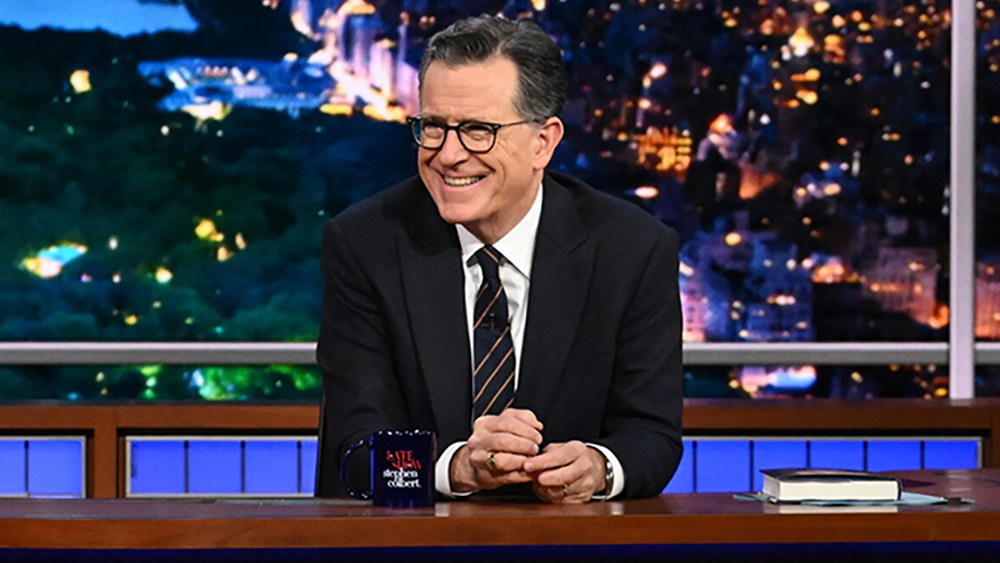
<p>Stephen Colbert said on air that CBS’s legal team contacted “The Late Show” staff and barred the program from broadcasting an interview with Texas state Rep. James Talarico, who is running for U.S. Senate. Colbert said he was also instructed not to raise the matter on air.</p><p>Colbert attributed the decision to fears that the FCC would apply its “equal time” rule to late-night talk shows, despite his statement that talk and news interview programming has long had an exemption. He cited a Jan. 21 letter from FCC chair Brendan Carr suggesting the exemption should not apply to programs deemed “motivated by partisan purposes,” and he said Carr had not formally eliminated the exemption.</p><p>Colbert said he would still conduct the interview but would air it after the show on “The Late Show” YouTube channel. He said the network would not allow him to share a URL or QR code directing viewers to the interview and also prohibited showing any image of Talarico, including photos or drawings, describing the restriction as applying to a candidate’s appearance “by voice or picture.”</p>