Norms Impact
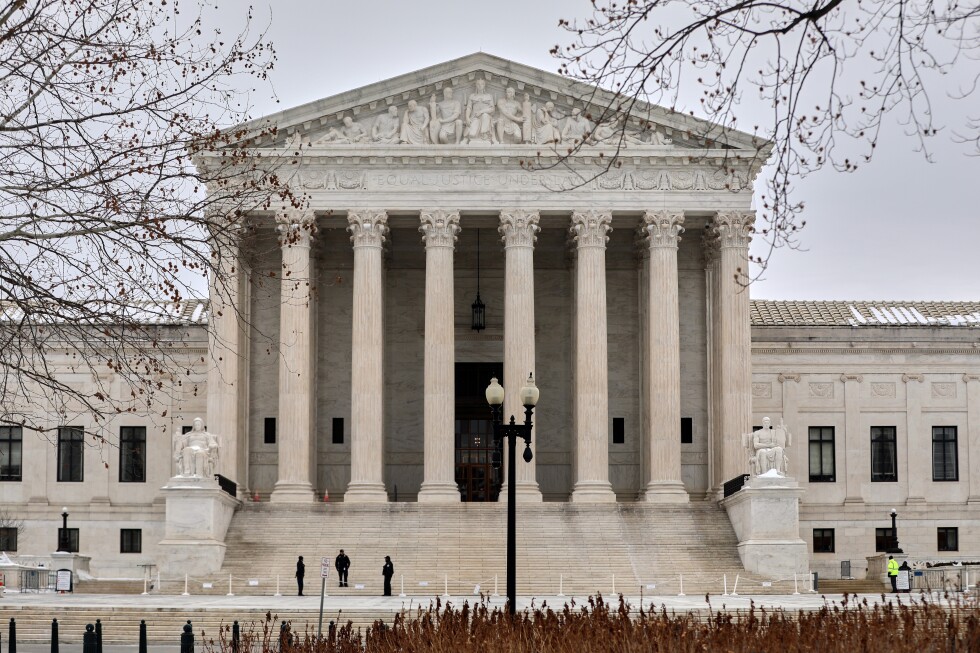
Supreme Court blocks law against schools outing transgender students to their parents in California
An emergency Supreme Court order suspends a state privacy safeguard and normalizes court-driven policy reversal for schools before full review.
Mar 2, 2026
Sources
Summary
The Supreme Court blocked enforcement of a California law that barred schools from automatically notifying parents when students change pronouns or gender expression at school. The Court’s emergency order shifts the operative baseline away from state-set privacy protections and toward parental-notification practices while litigation continues. In practice, California schools are cleared—for now—to tell parents a student identifies as transgender without the student’s approval.
Reality Check
Emergency docket intervention that freezes a democratically enacted state rule reshapes public policy without the normal fact-finding and deliberation that sustain legitimacy. When major rights-and-privacy conflicts are decided through rapid procedural orders, our guardrails shift from transparent governance toward opaque, high-impact adjudication. That precedent conditions the public to accept sweeping institutional change without the accountability mechanisms that ordinarily constrain power.
Detail
<p>The Supreme Court issued an emergency order on Monday granting an appeal from a conservative legal group and blocking, for now, a California state law. The law barred automatic parental notification requirements when students change their pronouns or gender expression at school.</p><p>The dispute arose after religious parents and educators challenged California school policies designed to prevent schools from outing transgender students to their families. Two sets of Catholic parents represented by the Thomas More Society argued the policies caused schools to mislead them and to facilitate their children’s social transition without parental approval.</p><p>California argued students have a privacy right regarding gender expression, particularly where they fear family rejection, and said school policies and the state law sought to balance student privacy with parents’ rights.</p>