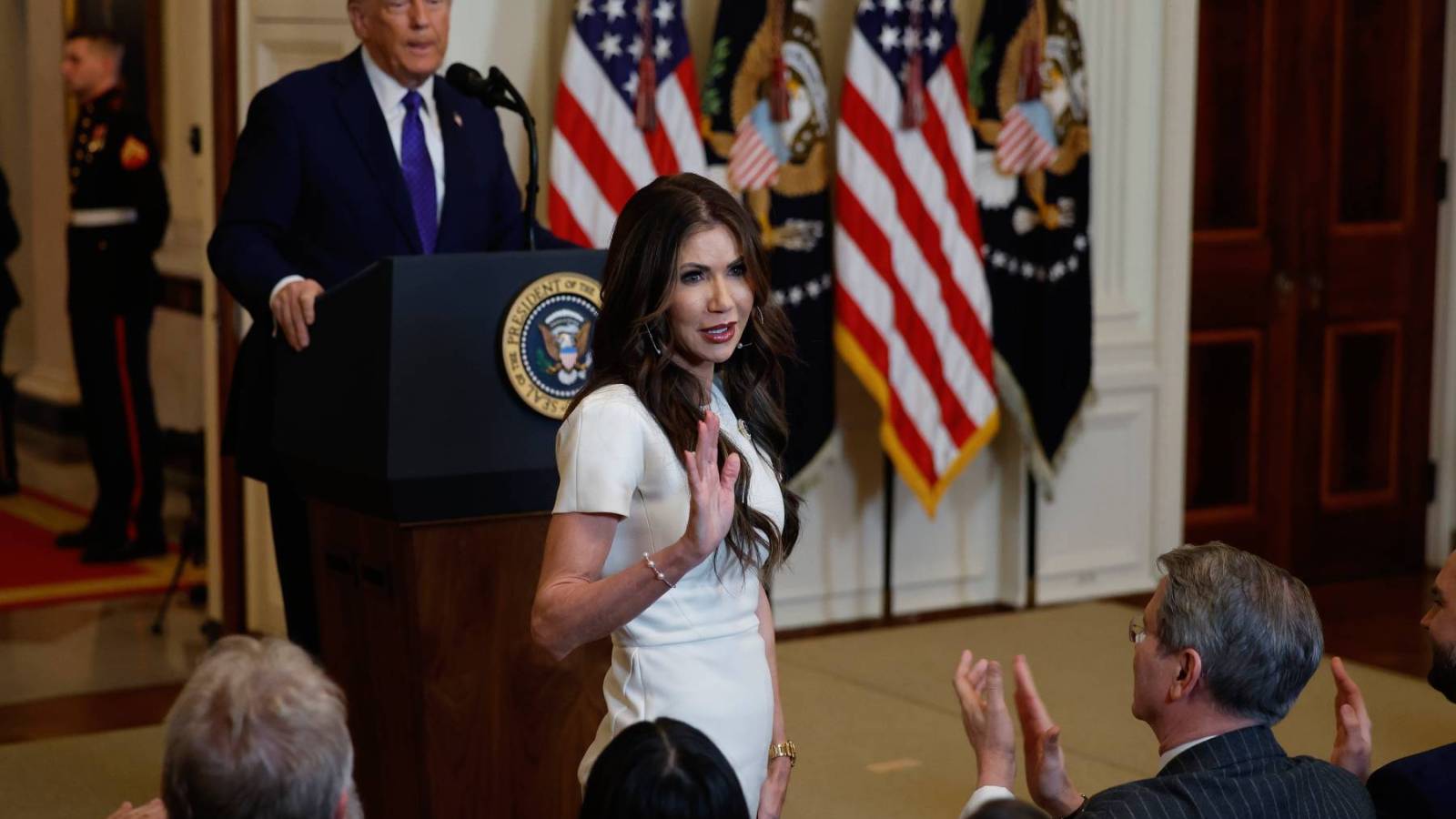
Using DHS appropriations for a leader-centered “thank me” media campaign normalizes a government that treats public funds as personal political branding, eroding our expectation that federal communications serve the public rather than an officeholder. On these facts alone, the clearest red line is the anti-propaganda norm in federal administration and the prohibition on using appropriated funds for publicity or propaganda; criminality is not established here without evidence of electioneering or covert manipulation, but the conduct squarely implicates the long-standing “publicity or propaganda” restrictions tied to appropriations law. Even if no prosecutor could prove an offense beyond a reasonable doubt, the precedent is corrosive: it teaches agencies that loyalty messaging is a legitimate output of executive power, and it leaves our rights more vulnerable to a government that can spend at scale to manufacture consent.