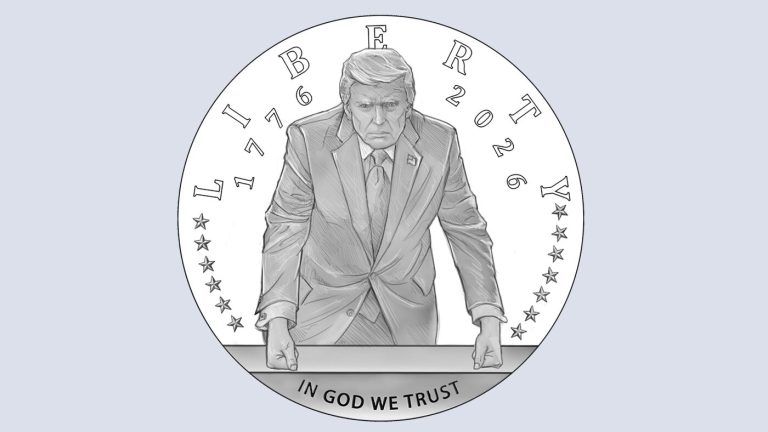
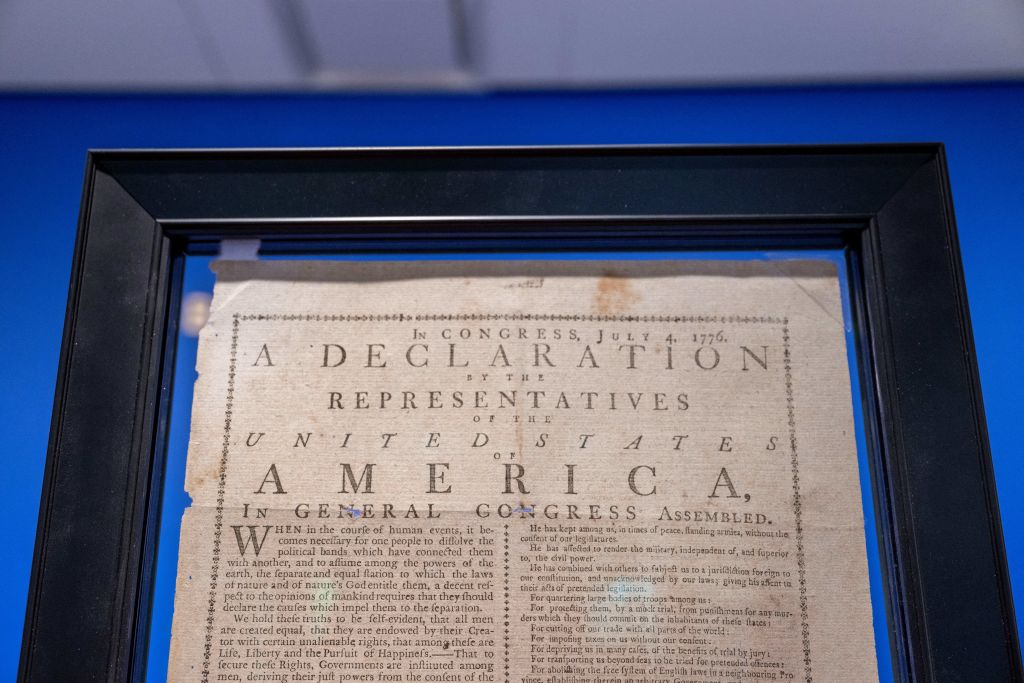
This conduct presses the presidency into direct control over public heritage, a precedent that weakens the idea that our national symbols belong to the people rather than the officeholder—and it invites future demands that blur custody, access, and security for political theater. On the provided facts, there is no clear criminal hook: a request alone, met with preservation objections and pivoting to a copy, does not establish theft, concealment, or unlawful removal under federal records laws such as 18 U.S.C. § 641 or 18 U.S.C. § 2071. The danger is institutional: treating the nation’s most protected document as movable decor erodes the governance norm of stewardship and turns public trust assets into instruments of personal authority.