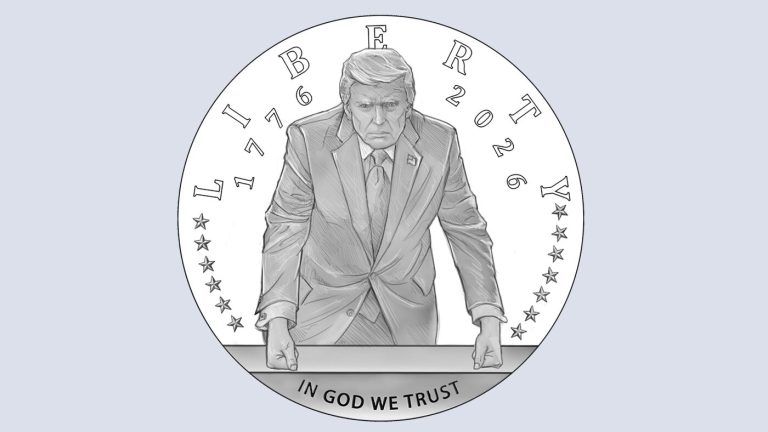
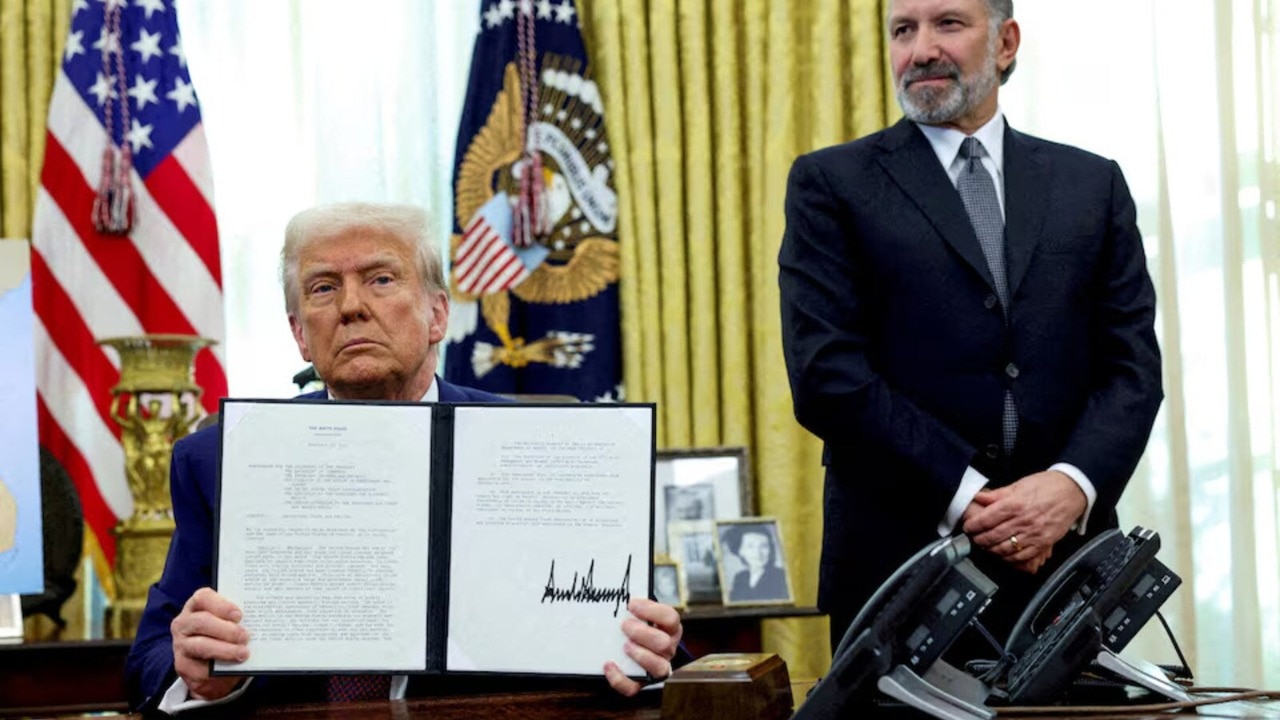
Selling government immigration status through a presidentially branded, revenue-driven scheme invites corruption risks that erode equal protection and turn public power into a private-market product, weakening our rights and democratic legitimacy. Based on what’s described, criminal exposure would most plausibly arise if officials solicited or accepted anything of value in exchange for official acts, implicating federal bribery and corruption statutes such as 18 U.S.C. § 201 and honest-services fraud under 18 U.S.C. §§ 1341, 1343, and 1346, as well as conspiracy under 18 U.S.C. § 371 if coordinated. Even without provable quid pro quo, the conduct squarely violates core anti–pay-to-play norms by conditioning access to lawful residency on extreme wealth while leveraging executive authority as a debt-reduction fundraising mechanism.