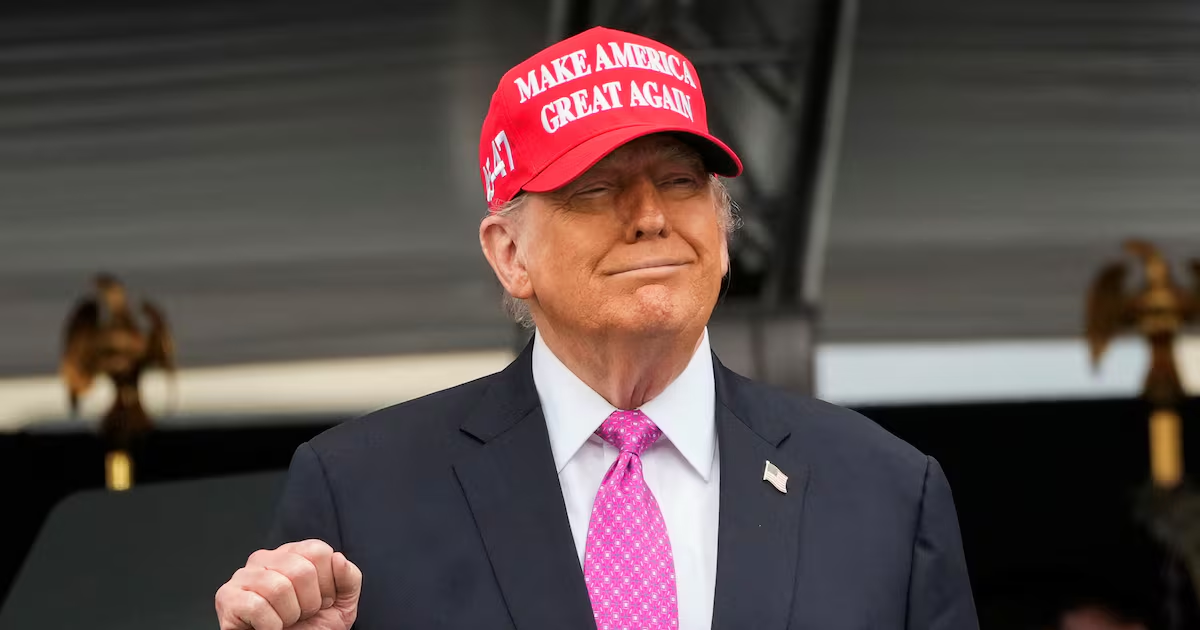
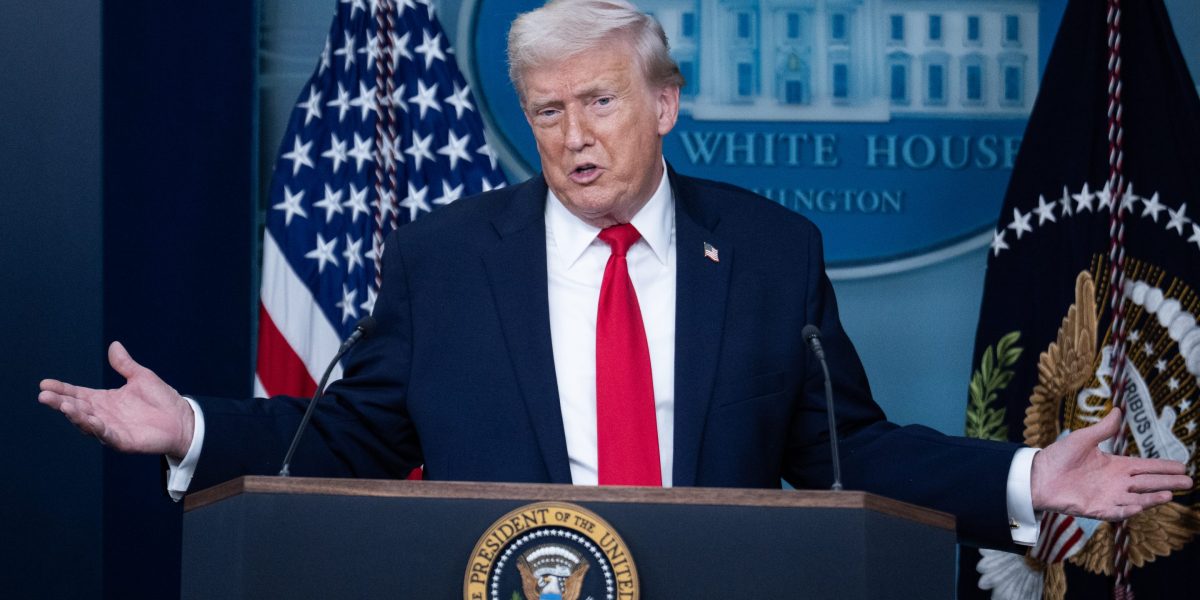
When a president markets a broad tax increase as if foreigners will pay it, we invite governance by misrepresentation—policy by slogan that leaves families absorbing the costs without informed consent. On the facts here, the New York Fed’s measured pass-through (86%–94%) and the Tax Foundation’s household hit ($1,000 in 2025; $1,300 projected in 2026) contradict a central public claim used to sell the policy, undermining democratic accountability for taxation and inflation.
This conduct is not likely criminal on this record: false or misleading public statements about policy generally do not satisfy federal fraud elements (18 U.S.C. §§ 1341, 1343) without a deceptive scheme tied to property or specific victims and reliance, nor do they fit false-statement liability (18 U.S.C. § 1001) absent a materially false statement in a federal matter to the government. The damage is institutional: we erode the norm that tax burdens must be honestly disclosed, and we make it easier for future executives to impose large, inflation-feeding levies while denying the public the information needed to hold power accountable.