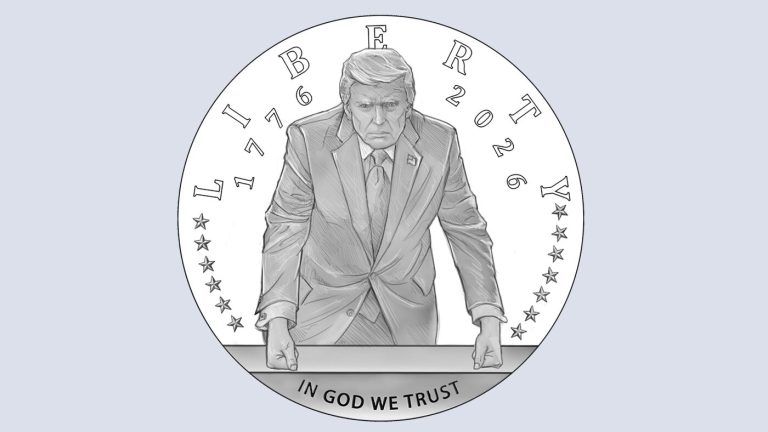
A donor-funded White House construction project tied to the president’s personal branding sets a precedent that private money can reshape public property and executive priorities outside normal democratic budget discipline. On these facts alone, a clear criminal case is not established, but the risk zone is obvious: if donors receive access, favorable treatment, or policy consideration, it can implicate federal bribery and illegal gratuities laws (18 U.S.C. § 201) and honest-services fraud (18 U.S.C. §§ 1343, 1346). Even without provable quid pro quo, this conduct corrodes core anti-corruption norms by inviting influence markets around the presidency and weakening our expectation that the White House is administered for the public, not curated through private benefactors.