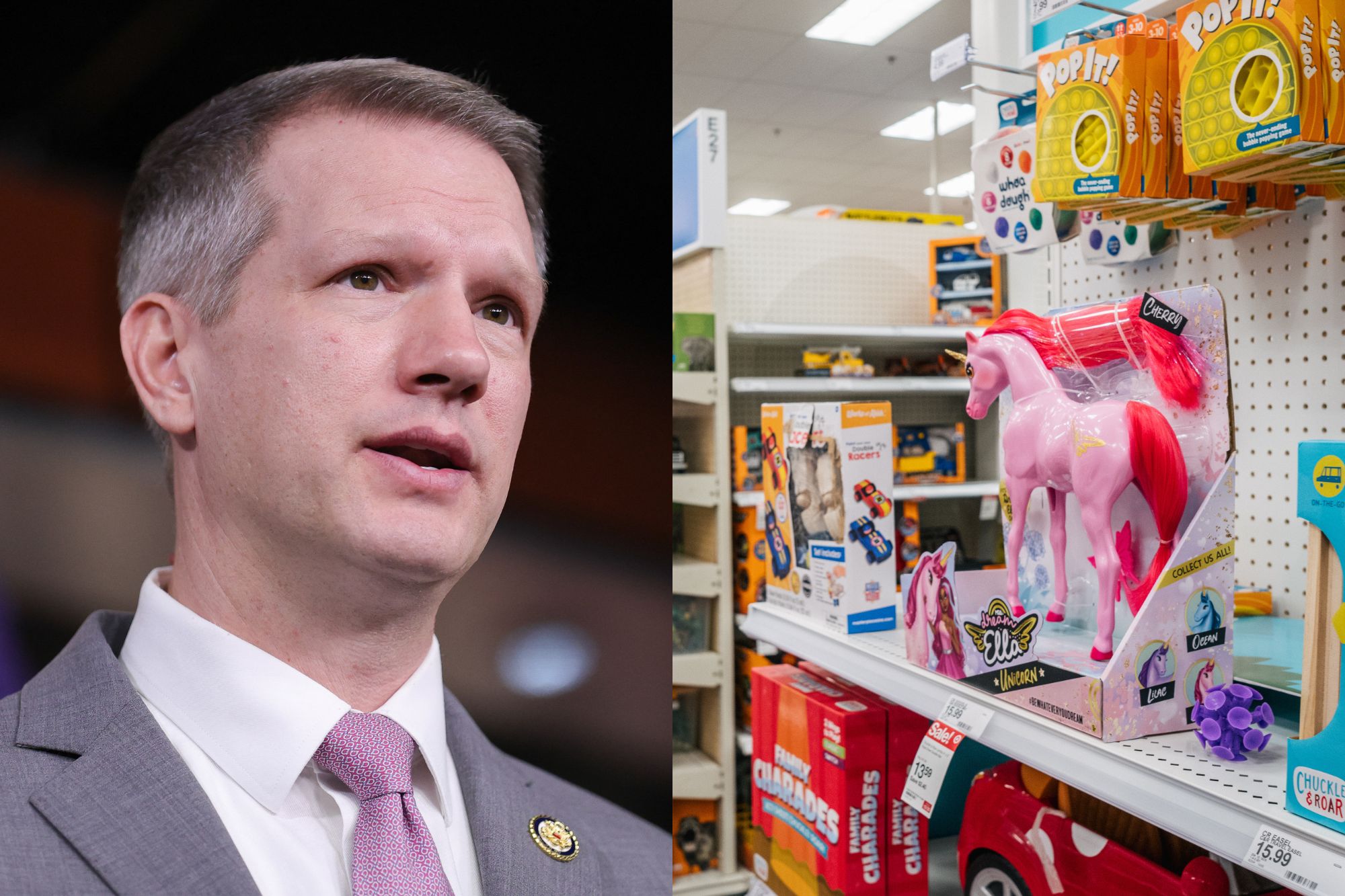
Normalizing deliberate household hardship as policy collateral makes it easier for government to treat your purchasing power as expendable, and that precedent doesn’t stay confined to one trade target. Nothing described here is likely criminal on its face; public advocacy for tariffs is lawful, and no facts indicate bribery, extortion, or fraud under federal statutes like 18 U.S.C. § 201 or § 1346. The damage is institutional: a public official openly reframes predictable consumer harm as moral obligation, eroding the governing norm that economic policy must justify its burdens in concrete, accountable terms rather than demanding sacrifice by decree.