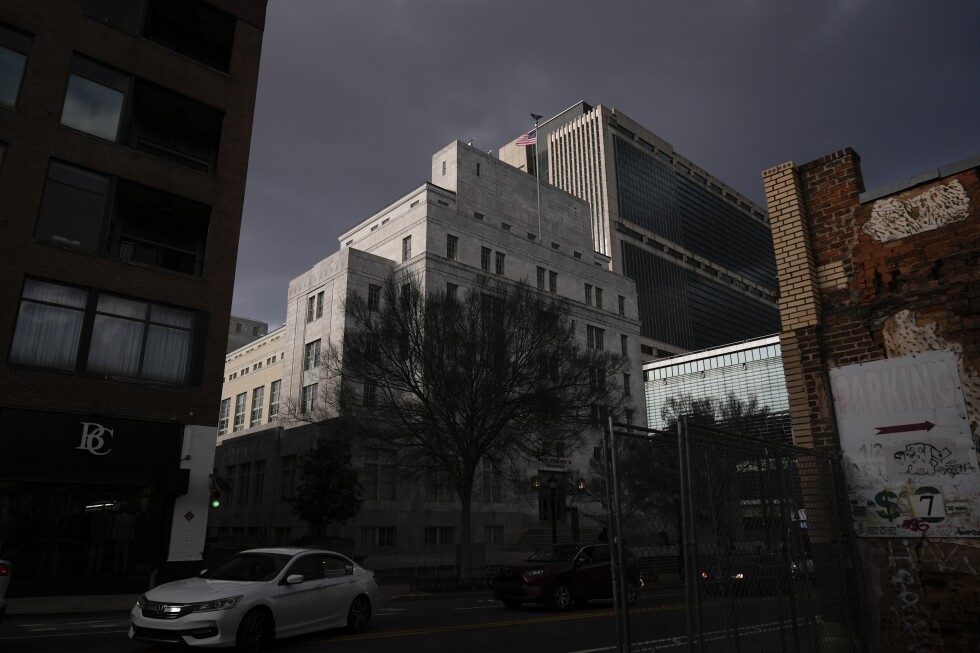
This kind of opaque, on-again/off-again control over the federal real-estate portfolio invites insider advantage and retaliatory targeting, because it moves billions in public assets without stable, reviewable decision-making that citizens can challenge. On this record alone, criminal liability is not clearly established, but any offloading that pivots on private “compelling offers” raises immediate federal anti-corruption exposure under 18 U.S.C. § 201 (bribery), § 208 (conflicts of interest), and honest-services fraud theories under 18 U.S.C. §§ 1343 and 1346 if officials trade public action for private benefit. Even without a provable quid pro quo, the deletion of the list after widespread interest signals a governance failure: we are being asked to accept major structural changes to agency operations without durable transparency, predictable process, or meaningful public accountability.