Calm. Methodical. Evidence-Based.

Approving a convicted Epstein accomplice’s transfer to a low-security camp while DOJ records become street-level pressure near the White House fractures anti-corruption accountability norms.

Media & Narrative

Mar 2, 2026

The White House is treating federal prosecutors’ inaction and selective file releases as blanket exoneration, turning executive messaging into a substitute for independent accountability.

Executive

Mar 8, 2026

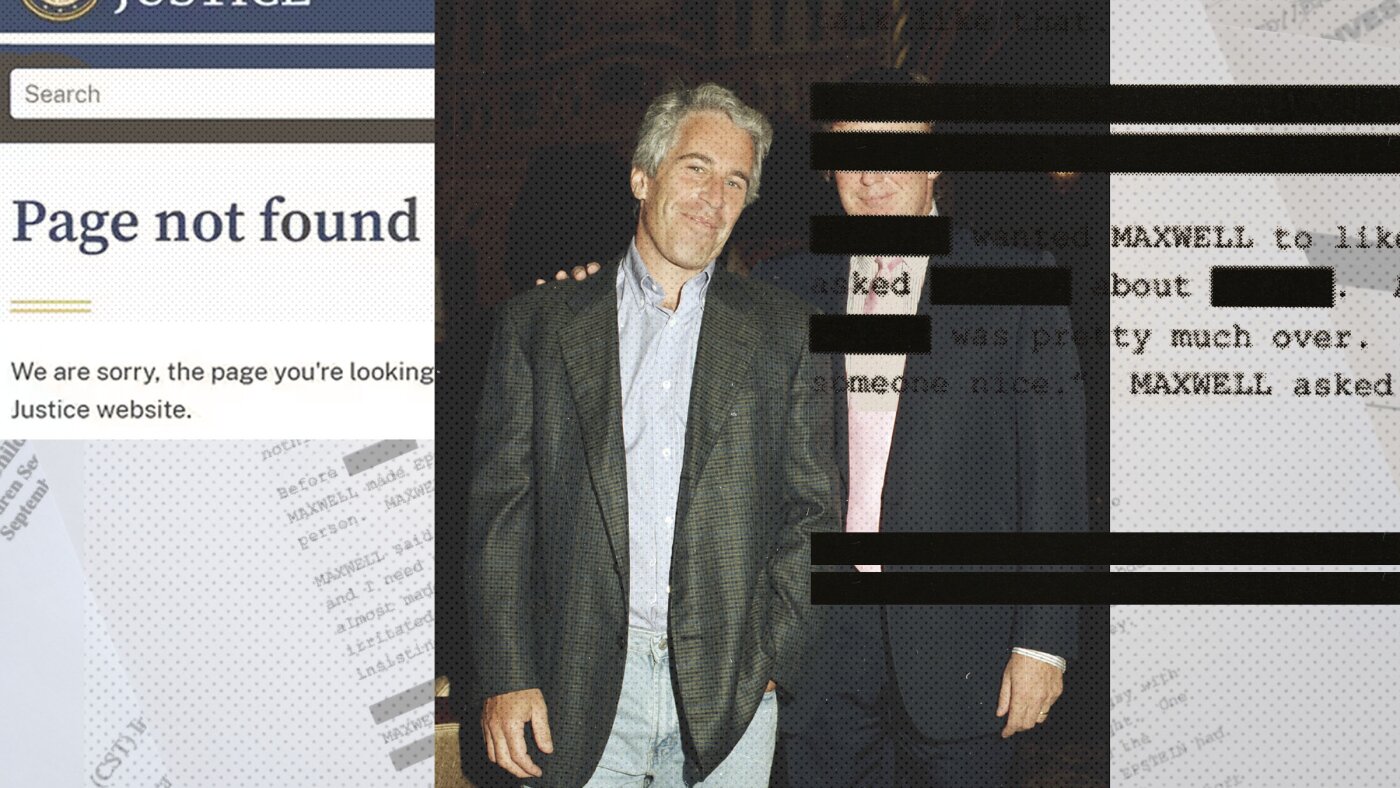
A Justice Department “coding” error kept FBI 302s out of public view, and our disclosure systems now set precedent for political fallout from what gets withheld—and why.

Executive

Mar 6, 2026

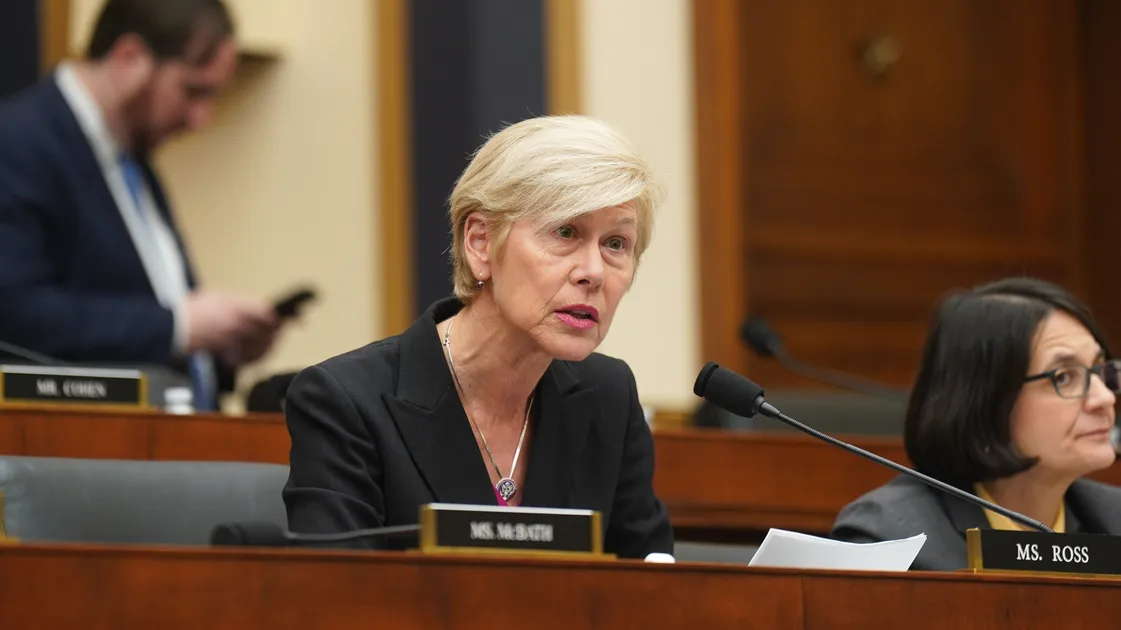
When sworn oversight testimony becomes a redacted video rollout and rule-breaking social-media leakage, Congress trains the public to accept investigation as performance over due process.

Congress

Mar 3, 2026

A convicted Epstein co-conspirator’s abrupt move to a minimum-security camp—followed by missing records and conflicting DOJ testimony—tests whether federal prisons can be insulated from political influence and secrecy.

Congress

Mar 2, 2026

Government-released Epstein records are now being weaponized into a public “walk of shame” near the White House, blurring the line between transparency and punishment without due process.

Executive

Mar 2, 2026

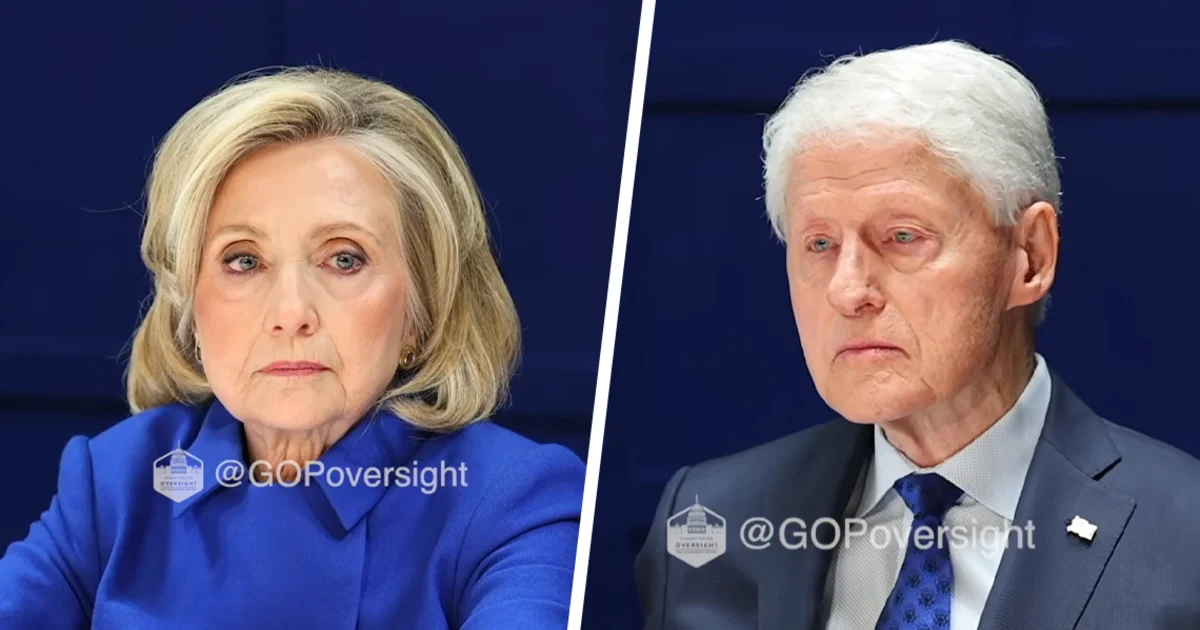
Congressional subpoena power is being used to compel former national leaders into closed-door depositions while members inject internet conspiracies, eroding the norms that separate oversight from political weaponization.

Congress

Feb 27, 2026

Withholding Epstein-linked FBI witness records while invoking secrecy grounds Congress cannot verify risks turning “ongoing investigation” into a shield for executive self-protection.

Congress

Feb 26, 2026

A member’s leak of a closed-door deposition photo turned compelled congressional testimony into viral political content, eroding the basic norm that confidential proceedings stay confidential.

Congress

Feb 26, 2026

When the Justice Department can quietly withhold and scrub legally mandated files that implicate the sitting president, transparency becomes discretionary and accountability collapses into executive control.

Executive

Feb 24, 2026

When DOJ withholds Trump-linked Epstein records while a defendant retains discovery the public can’t see, transparency becomes discretionary power—and accountability collapses.

Executive

Feb 24, 2026

Federal agents ordered New York investigators to “stand down” after Epstein’s arrest, collapsing independent state scrutiny into a single federal pipeline and weakening accountability by design.

Executive

Feb 23, 2026

Federal records of FBI interviews tied to allegations against a sitting president have vanished from public view, defying a transparency law meant to prevent precisely this kind of selective erasure.

Executive

Feb 19, 2026

Federal law enforcement records describing underage assault allegations collide with the attorney general’s public denials, corroding the DOJ’s duty of candor and our shared baseline for accountability.

Executive

Feb 16, 2026

By declaring compliance while flooding Congress with an uncontextualized name list and maintaining sweeping redactions, the DOJ sets a precedent for “transparency” that shields power and confuses accountability.

Executive

Feb 15, 2026