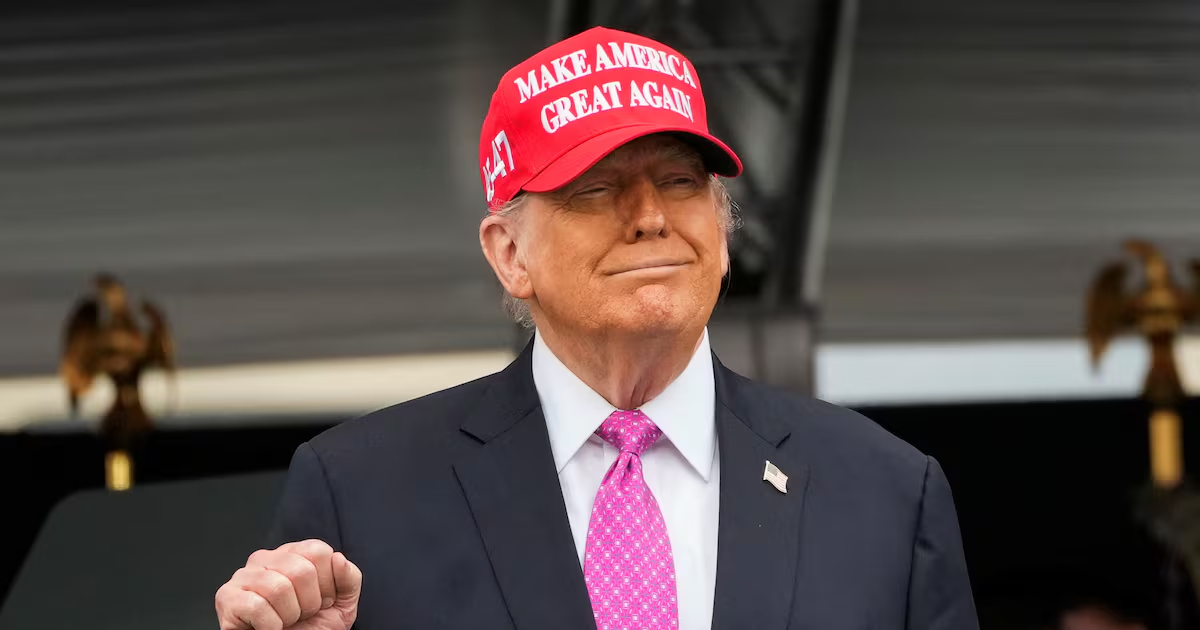
Conditioning a shift in U.S. support for a major UK sovereignty agreement on permission to launch an Iran strike normalizes transactional pressure around war powers, making allied consent look like a commodity rather than a legal and parliamentary decision. On this record it is not clearly criminal under U.S. federal law, but it mirrors the classic anti–quid-pro-quo red line by weaponizing official leverage to extract a specific governmental act from an ally. Even where no statute neatly fits, it corrodes core governance norms against abuse of office and retaliatory use of public power, and it invites future leaders to treat basing rights and diplomacy as bargaining chips rather than rule-bound commitments that protect our rights and stability.