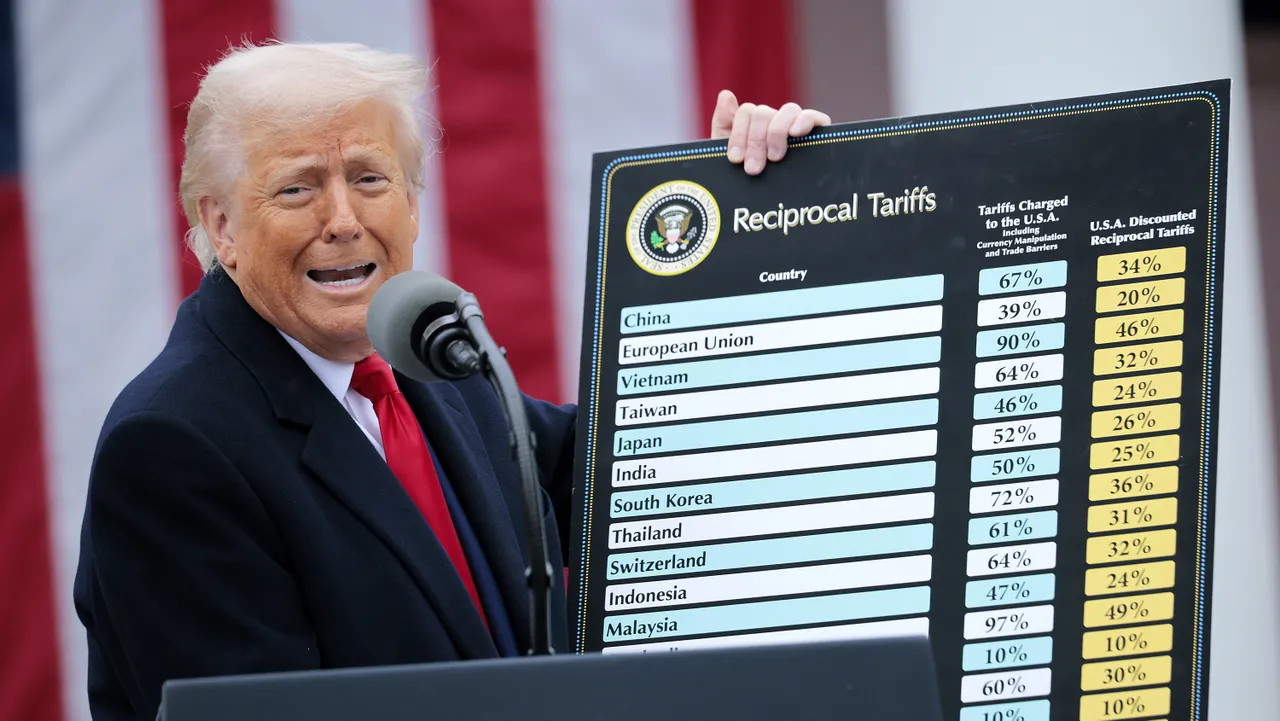
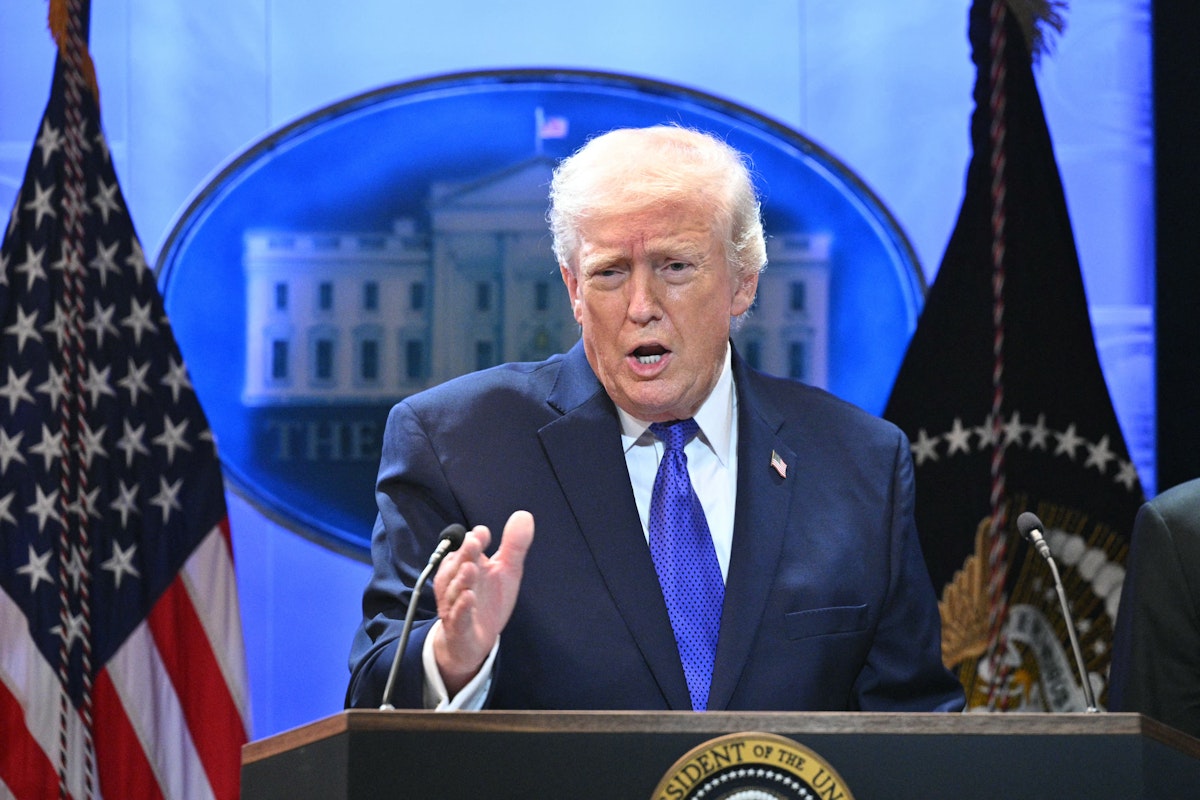
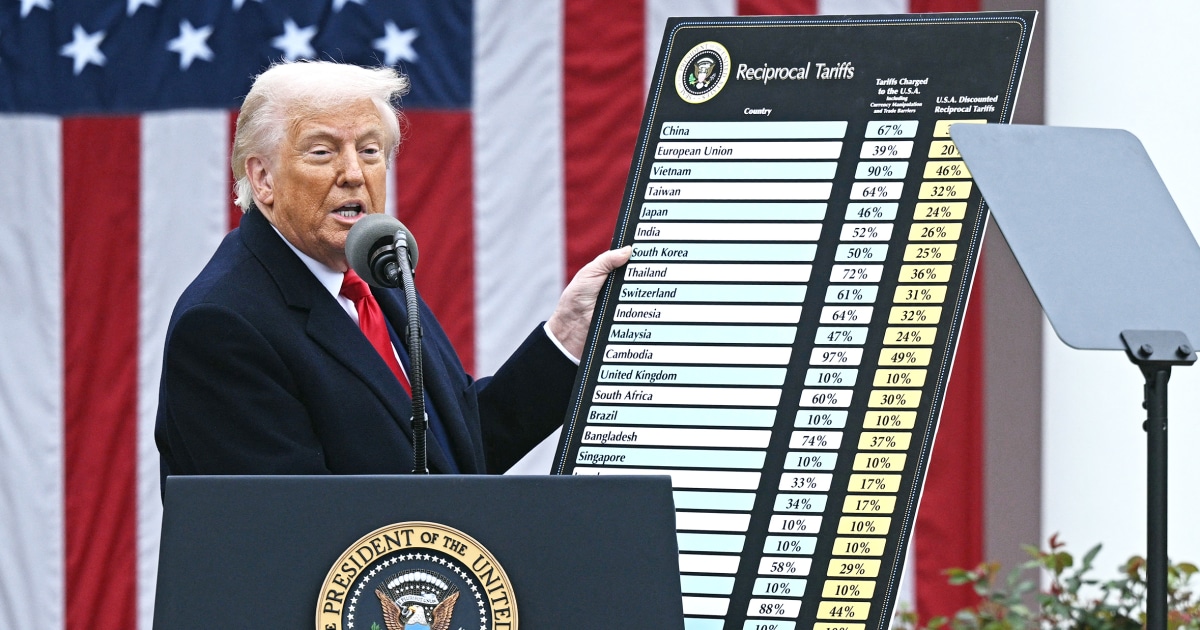
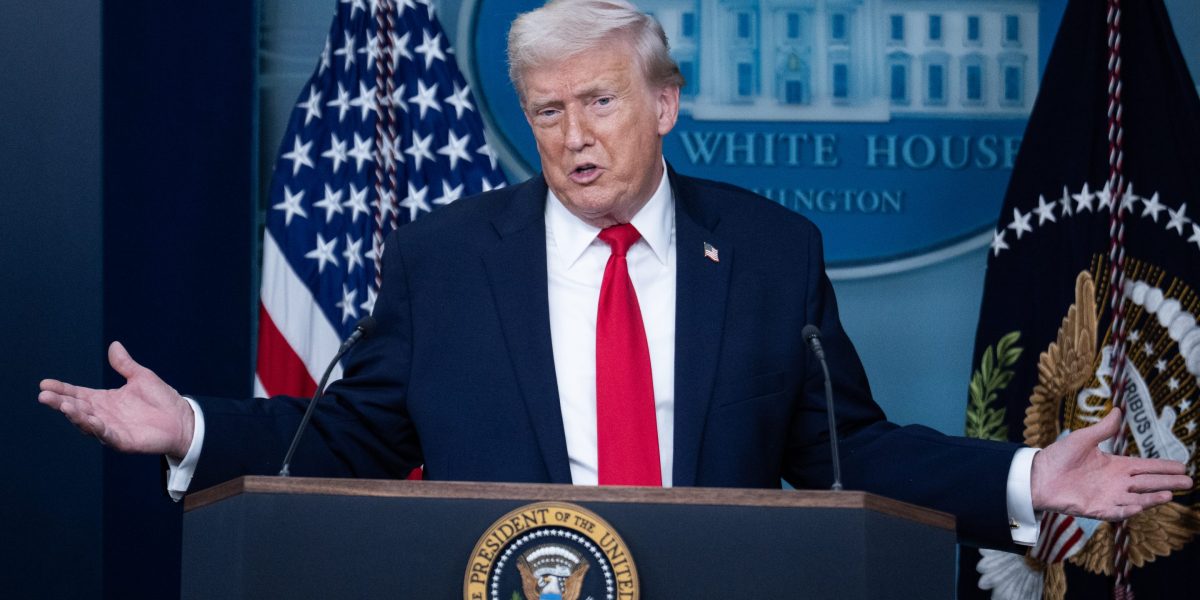
Threatening the Supreme Court as “disloyal,” insinuating “foreign interests,” and immediately plotting new global duties after a loss is a pressure campaign that normalizes contempt for constitutional limits that protect our property and due process. The core conduct here is not a clean criminal fit on these facts, but it squarely implicates abuse-of-office governance norms and the separation of powers the Court enforced—Congress controls tariffs, and IEEPA cannot be repurposed into unlimited taxing authority. If retaliation or coercion were aimed at judges for their rulings, that could raise serious exposure under federal obstruction and witness/juror intimidation frameworks (e.g., 18 U.S.C. §§ 1503, 1512), but the record provided shows inflammatory rhetoric and policy workarounds rather than a provable statutory offense. The democratic damage is the precedent: treating emergency powers as a shortcut to nationwide economic taxation, then attacking the judiciary that stops it.