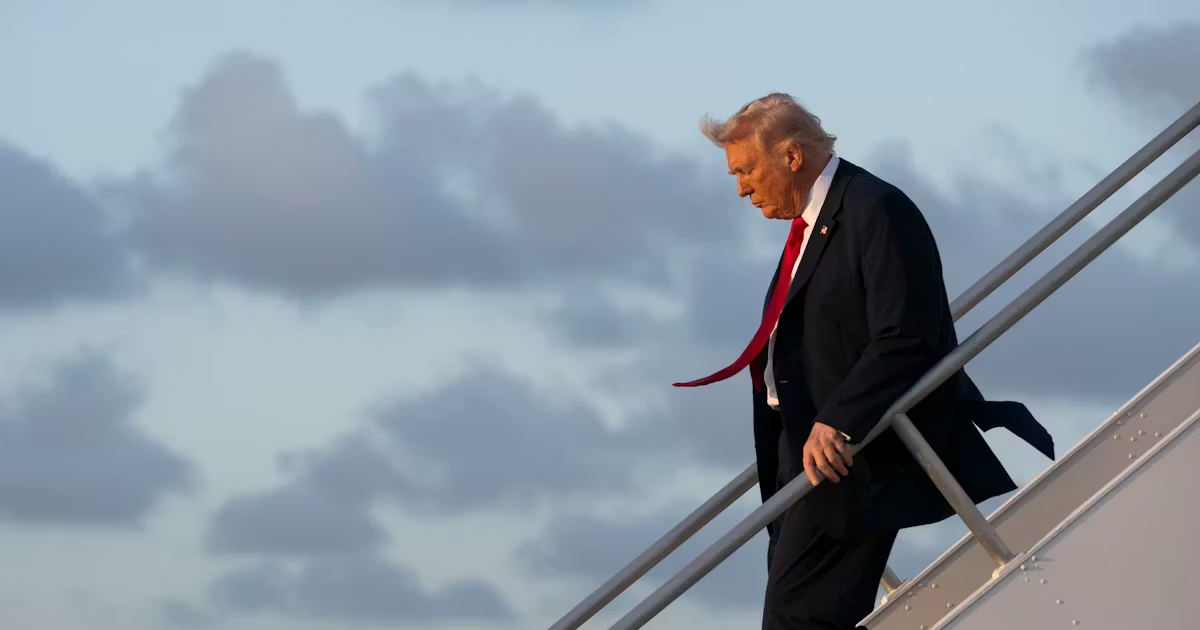
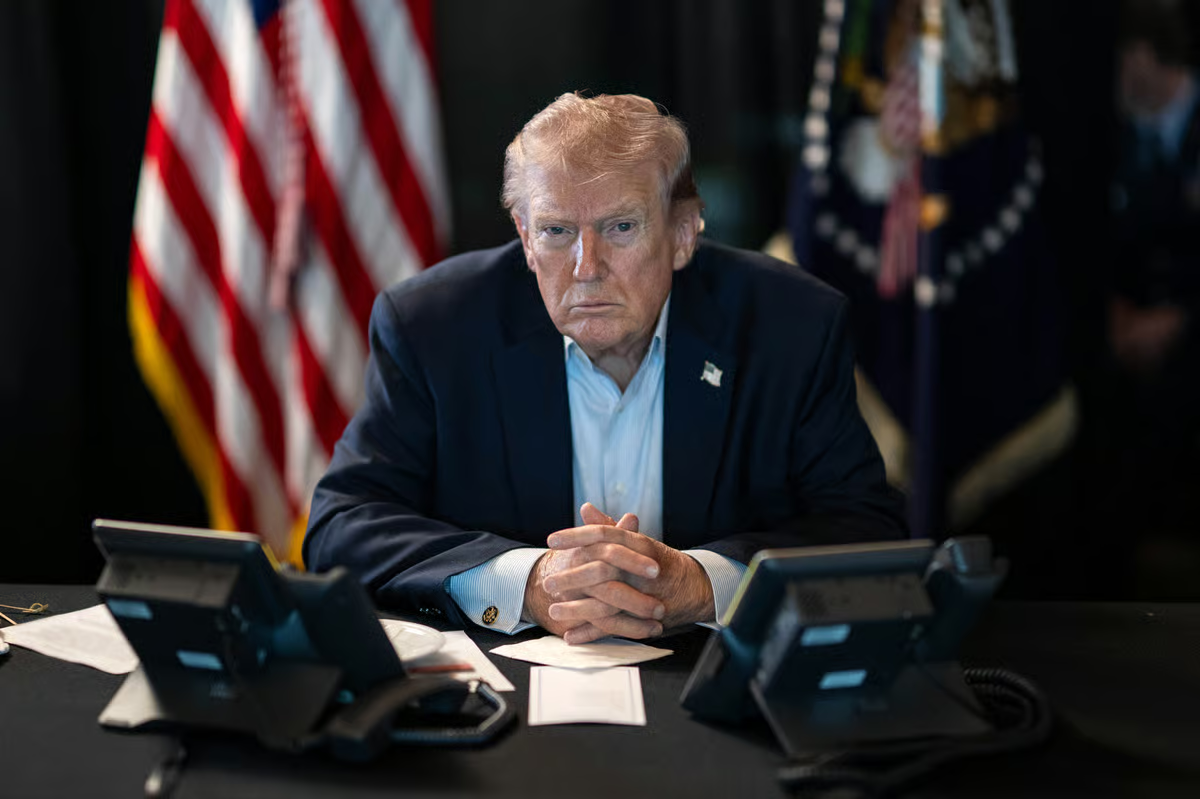
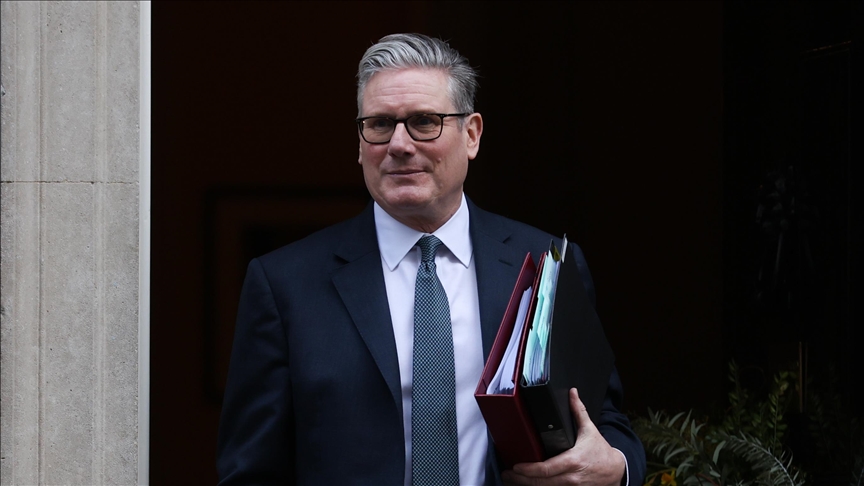
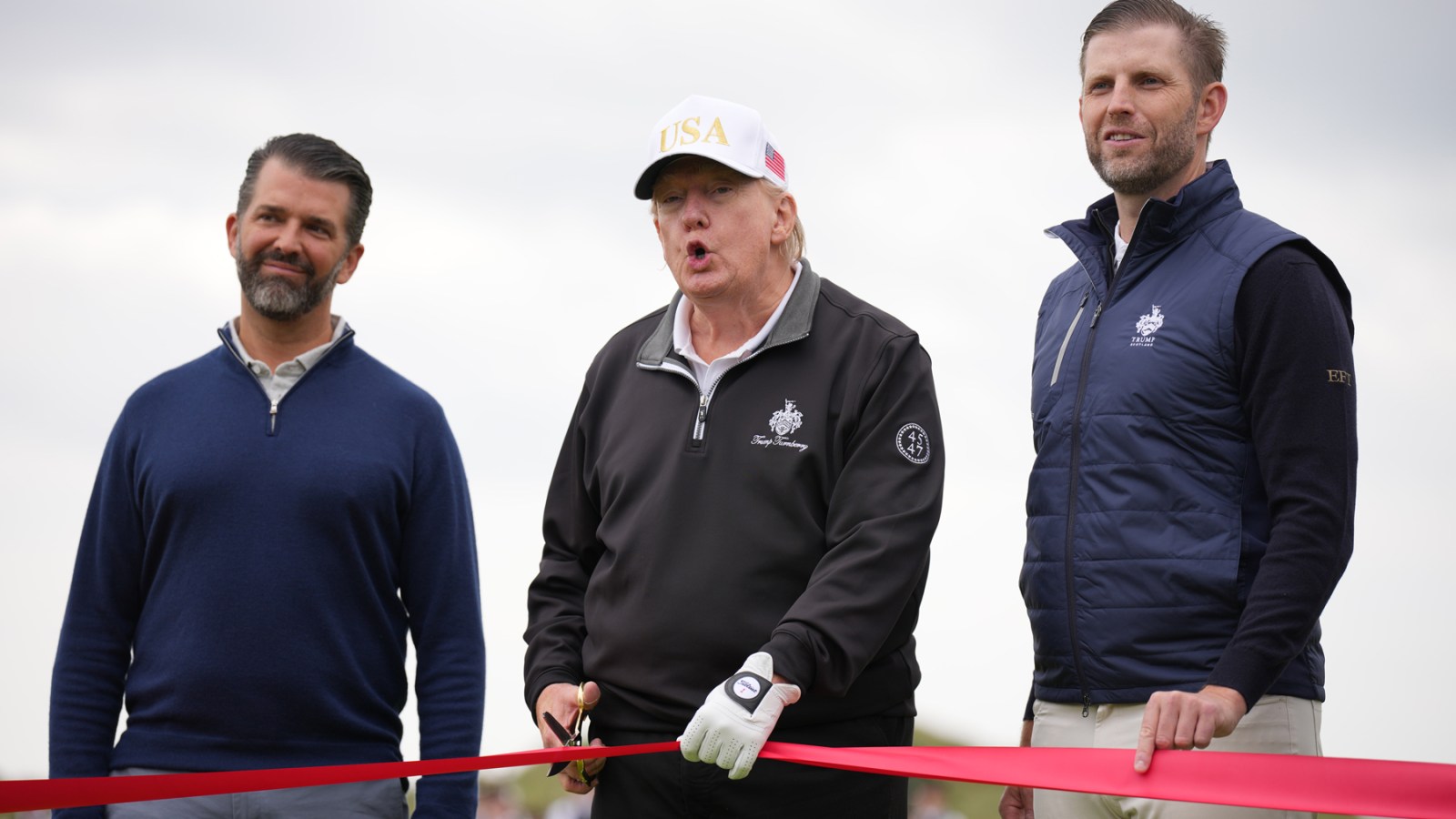
This conduct threatens to hardwire personal enrichment into the presidency by collapsing the boundary between public duty and private revenue, leaving our rights and institutions exposed to pay-to-play governance. On this record, it may not cleanly satisfy federal bribery elements without proof of an explicit quid pro quo, but it squarely implicates core anti-corruption frameworks: 18 U.S.C. § 201 (bribery/gratuities), 18 U.S.C. § 208 (conflicts of interest), and honest-services fraud theories under 18 U.S.C. §§ 1341, 1343, 1346 if official action is traded for private benefit. Even absent a charge, steering state travel and high-level events toward properties that “will likely profit” is the kind of self-dealing that corrodes democratic stability by turning access to government into a marketplace.