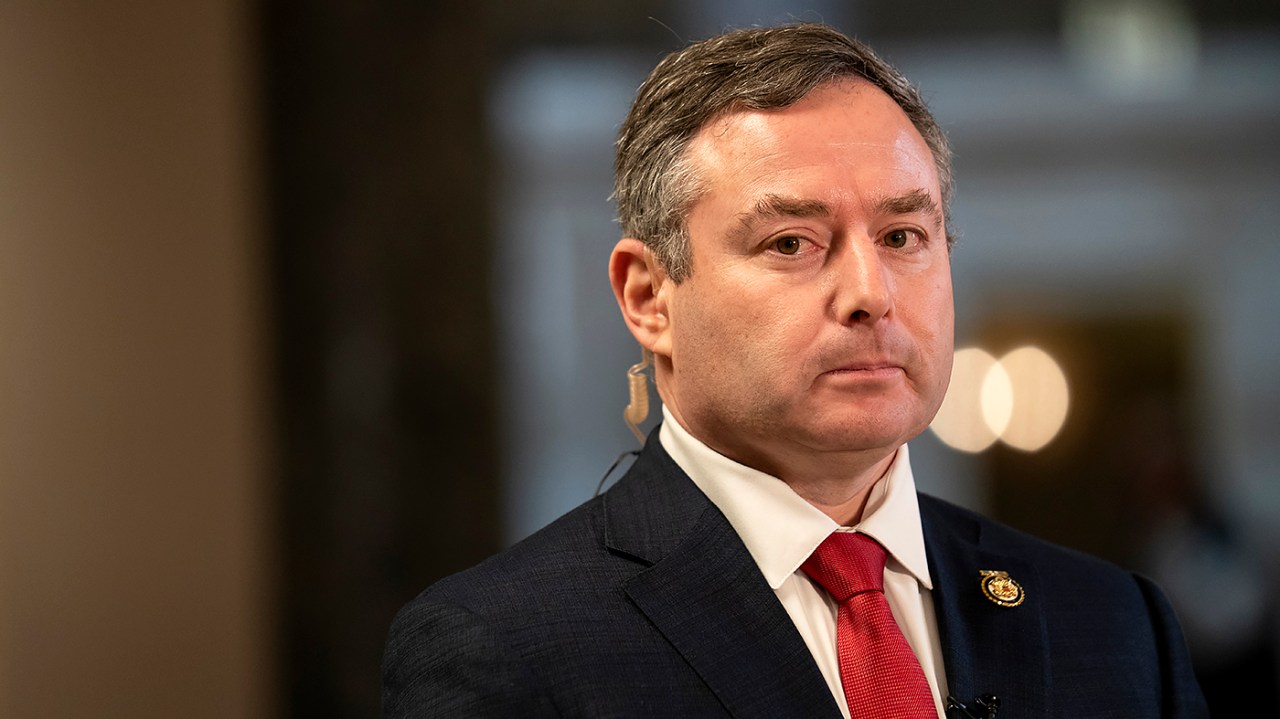
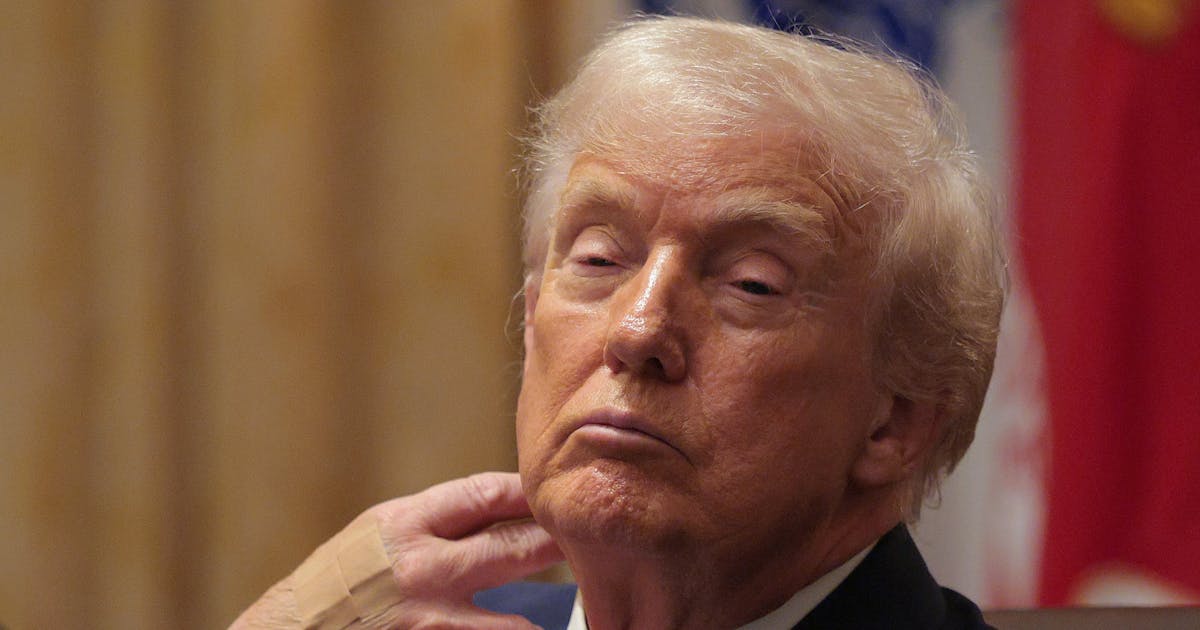
A president who cannot reliably stay alert during official meetings normalizes executive inattention and erodes our ability to trust that decisions, briefings, and oversight are being meaningfully received—an institutional failure that ultimately shrinks citizens’ protections. This conduct is not, on these facts, likely criminal; there is no clear fit for federal crimes like bribery (18 U.S.C. § 201), extortion under color of official right (18 U.S.C. § 1951), or fraud statutes absent a corrupt exchange or deception scheme. The threat is governance rot: when the White House treats visible incapacitation as routine, the Cabinet’s duty of candor and the president’s duty of active supervision become performative, and accountability collapses into optics.