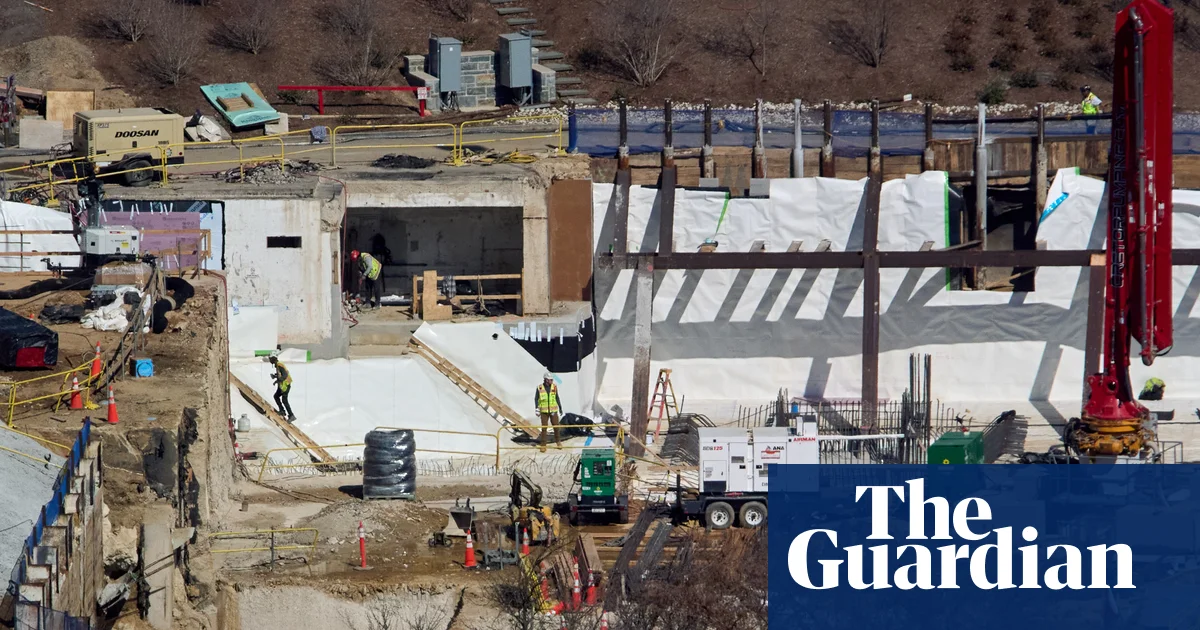
Judge Richard Leon, a federal judge, expressed skepticism at a hearing and suggested he might terminate the ballroom project by the end of March 2026.
The National Trust for Historic Preservation sued to halt construction, arguing the demolition and new construction require congressional approval and independent reviews.
White House lawyers argued Trump does not need outside permission and said Congress already funded alteration/maintenance, that the project is needed for “national security,” and that private donor funding exempts it from congressional scrutiny.
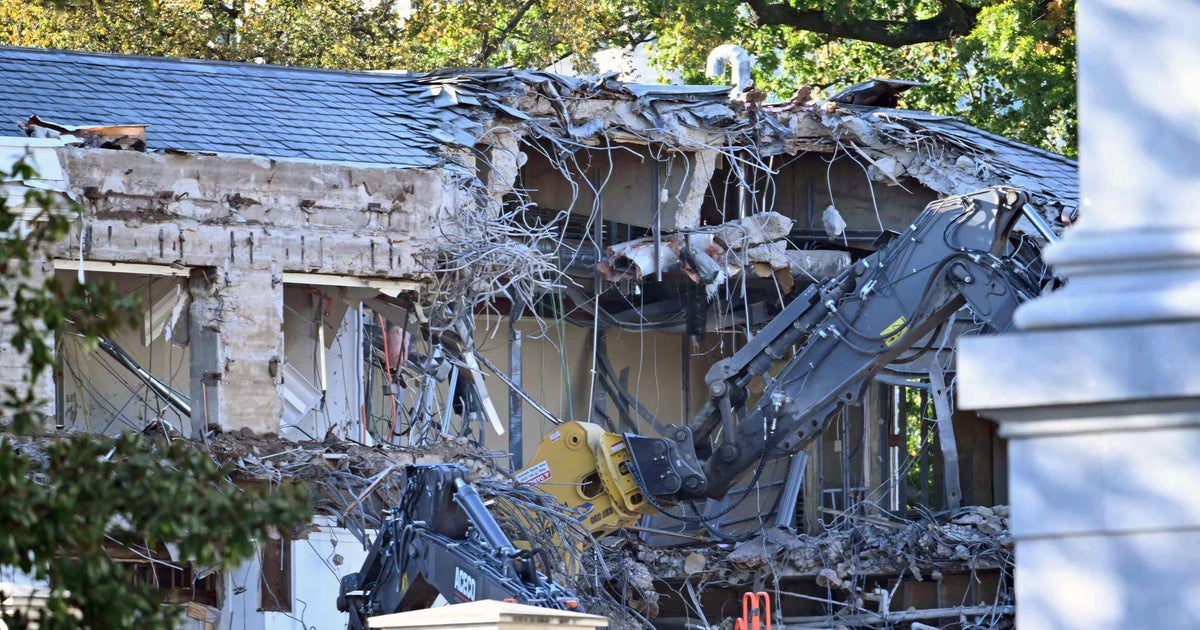
The project is described as a 90,000-sq-ft ballroom, estimated at $400m, with construction beginning after demolition of the East Wing in October (year implied as 2025 given the March 2026 timeline).
In October, Trump fired all six members of the US Commission of Fine Arts (CFA) and replaced them with appointees who later unanimously approved the plan.
The National Capital Planning Commission (NCPC) postponed its vote on approval to April 2026, citing the need to assess substantial public input.
Leon criticized the administration for “shifting theories” and questioned the claim of “dual source of funding and dual source of authority” as a way to put the project outside the court’s purview.
Leon previously denied the Trust’s first injunction request on procedural grounds (allowing work to continue) but permitted an amended complaint, which he is now considering.
Justice Department attorneys urged dismissal, arguing the Trust should not get another attempt; Trump publicly mischaracterized the prior ruling as having “completely erased” the effort to stop the project.
Leon flagged that the outcome is likely to be appealed and suggested the dispute is headed toward Supreme Court review.