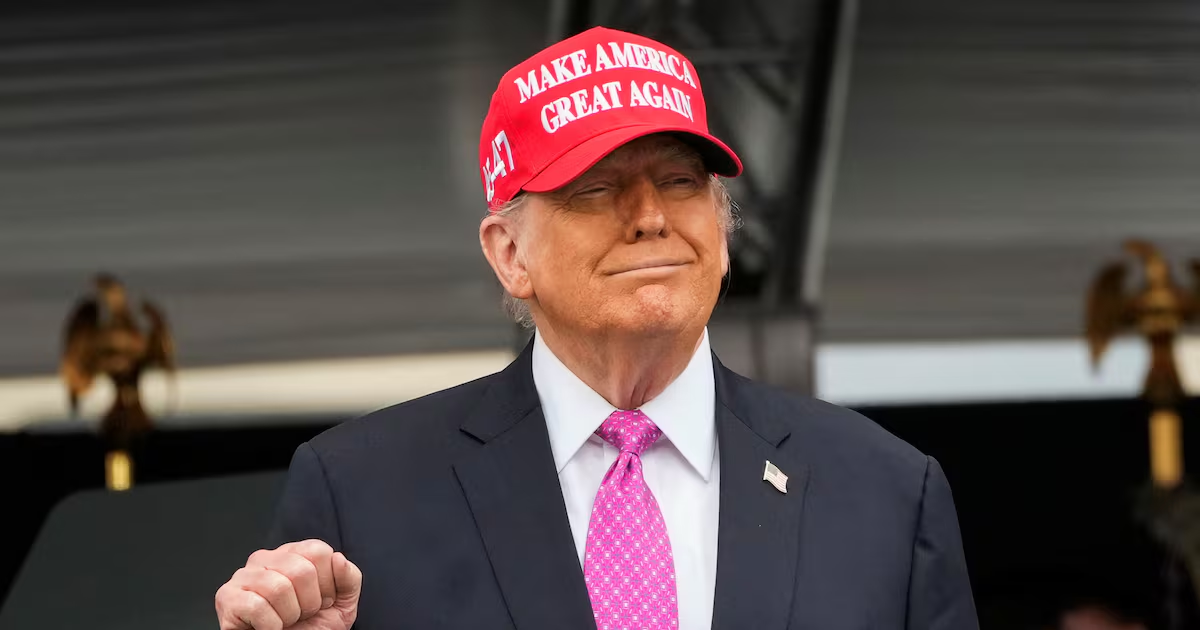
This kind of clemency, when it benefits the immediate family of a sitting member of Congress, invites a precedent that our justice system bends for the well-connected—and that weakens democratic stability and the equal protection we rely on when we face the state. The conduct described is not likely criminal on these facts: the Constitution vests the pardon power in the president, and no quid pro quo or corrupt agreement is stated that would trigger federal bribery or extortion theories (e.g., 18 U.S.C. §§ 201, 872) or honest-services fraud (18 U.S.C. §§ 1341, 1346). But it squarely collides with core governance norms against favoritism and special access, especially when paired with public, ongoing government messaging about drug trafficking while a politically connected defendant receives extraordinary relief.