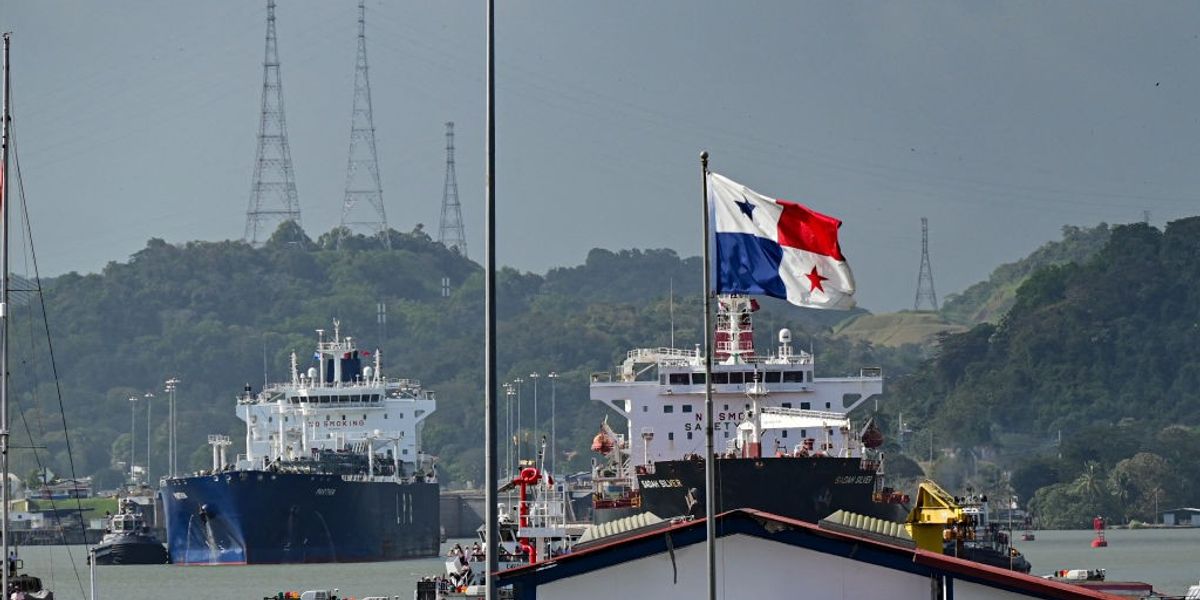
Threatening or preparing to use U.S. military force to seize the canal as leverage would set a precedent that power, not law, governs our foreign policy—and it inevitably boomerangs into how our leaders treat our own rights at home. On these facts, the conduct is not obviously chargeable as a standalone federal crime absent proof of a concrete conspiracy or corrupt exchange, but it is a severe abuse-of-office pattern that weaponizes national security authorities for a discretionary taking. If any coercive scheme were tied to personal or political benefit, federal bribery and honest-services theories (18 U.S.C. §§ 201, 1346) would come into play; even without that, this posture guts treaty fidelity and lowers the threshold for presidential war-making without a clear defensive necessity.