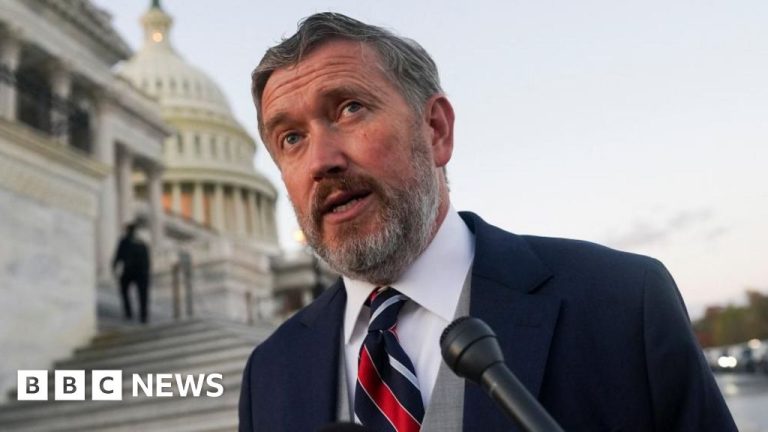
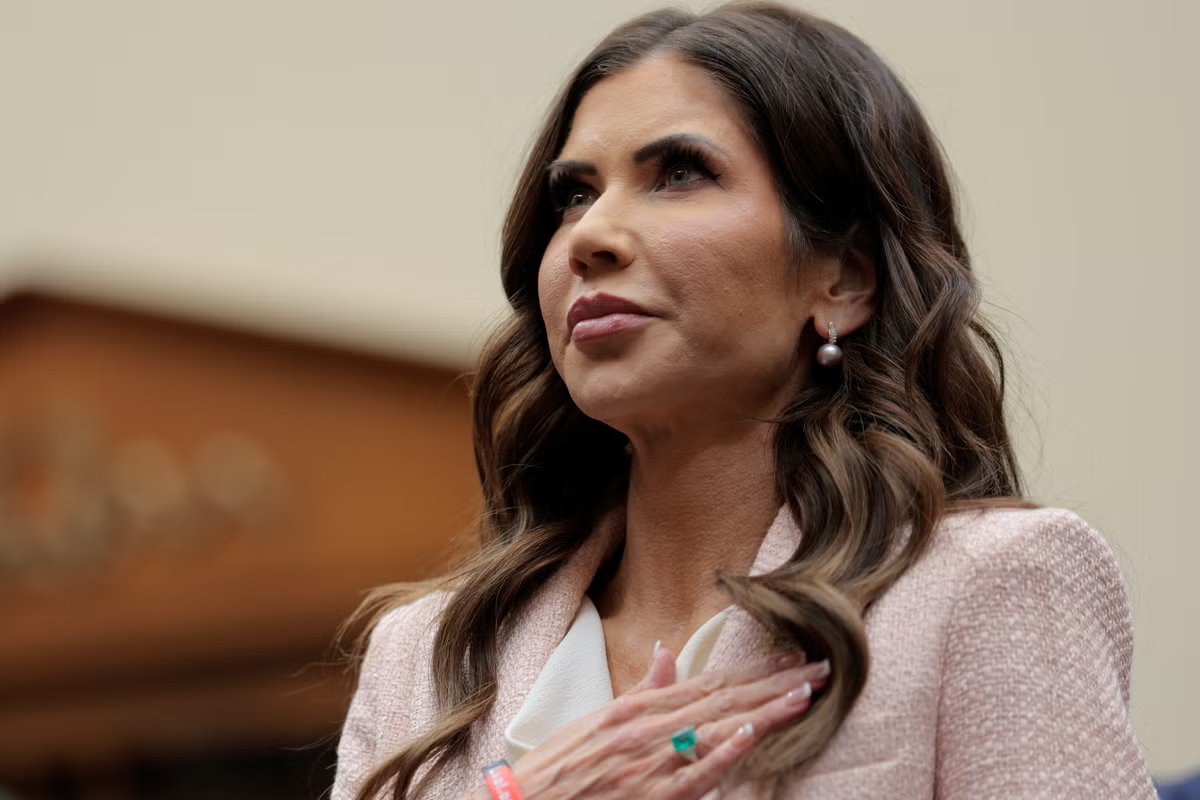
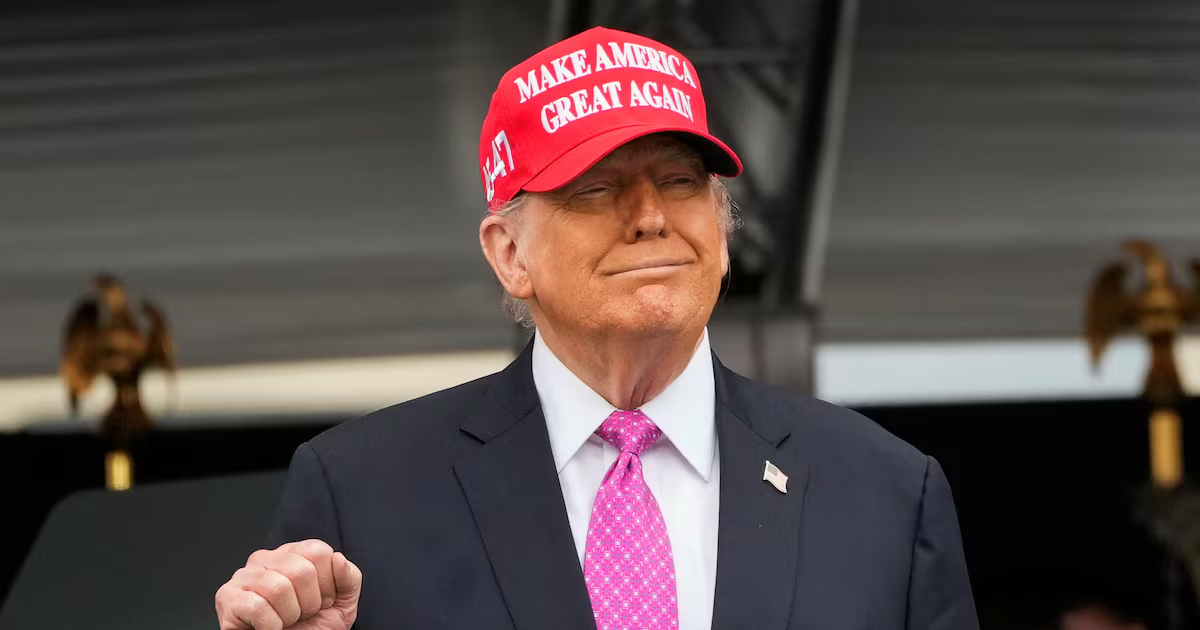
The article’s central peg is a Wall Street Journal report that Trump wants to “lower the profile” of mass deportations and emphasize “criminals” in GOP messaging, reportedly with chief of staff Susie Wiles viewing deportations as a midterm liability.
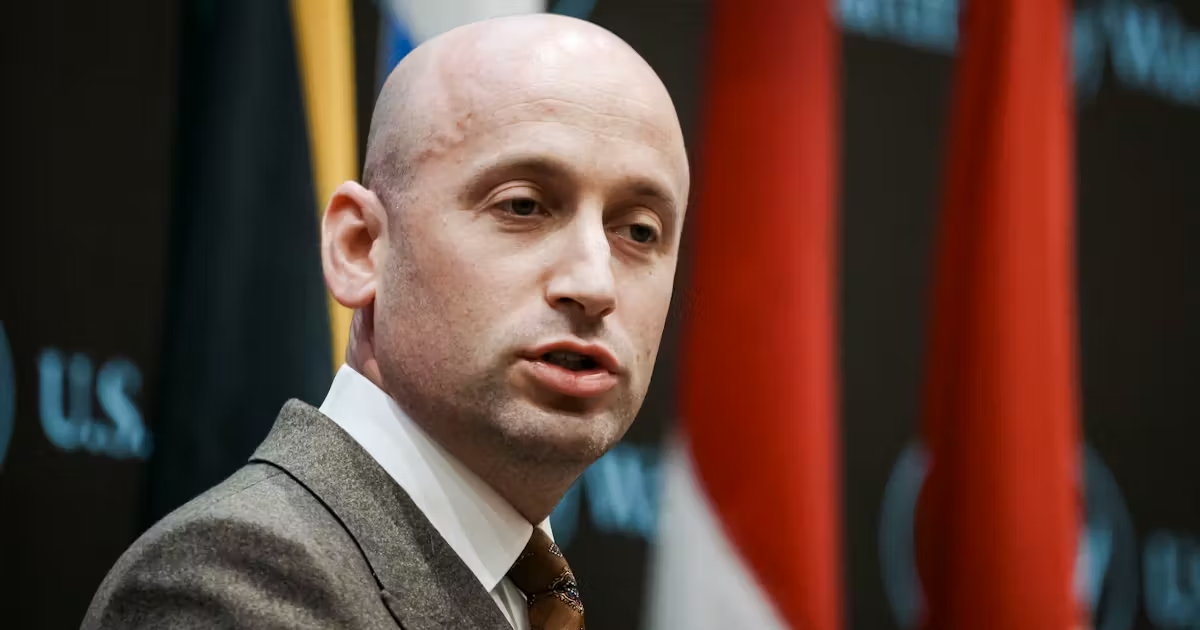
The New Republic treats the reported shift as a political rebuke to Stephen Miller, but it also acknowledges skepticism: the described change could be primarily an optics and messaging adjustment, not a change in enforcement priorities.
The piece highlights separate reporting that Miller met with Texas legislators and discussed restricting state public education funding to children who are citizens or lawfully present—an approach that would conflict with Plyler v. Doe (1982), which barred states from denying K-12 public education based on immigration status.
The article argues that provoking state-level litigation could be a pathway to ask today’s Supreme Court to revisit Plyler v. Doe, potentially enabling other states to follow if Texas acted.
It links this to the administration’s broader constitutional project around the Fourteenth Amendment, including Trump’s 2025 executive order (EO 14160) attempting to narrow birthright citizenship; litigation has centered significantly on the scope of nationwide injunctions and class-wide relief.
The piece cites claims about enforcement priorities (e.g., that a small share of ICE arrests involved violent criminal records in 2025) to argue that “criminal-focused” rhetoric can obscure broader, non-violent targeting.
Missing from the New Republic narrative is what the administration has actually ordered ICE to do (written policy changes, directives, metrics) and whether any operational changes followed the reported PR recalibration.
Also missing: what, precisely, Texas lawmakers are considering (bill text, sponsors, timetable), and whether the education proposal is a concrete legislative push or a floated trial balloon at a private meeting.