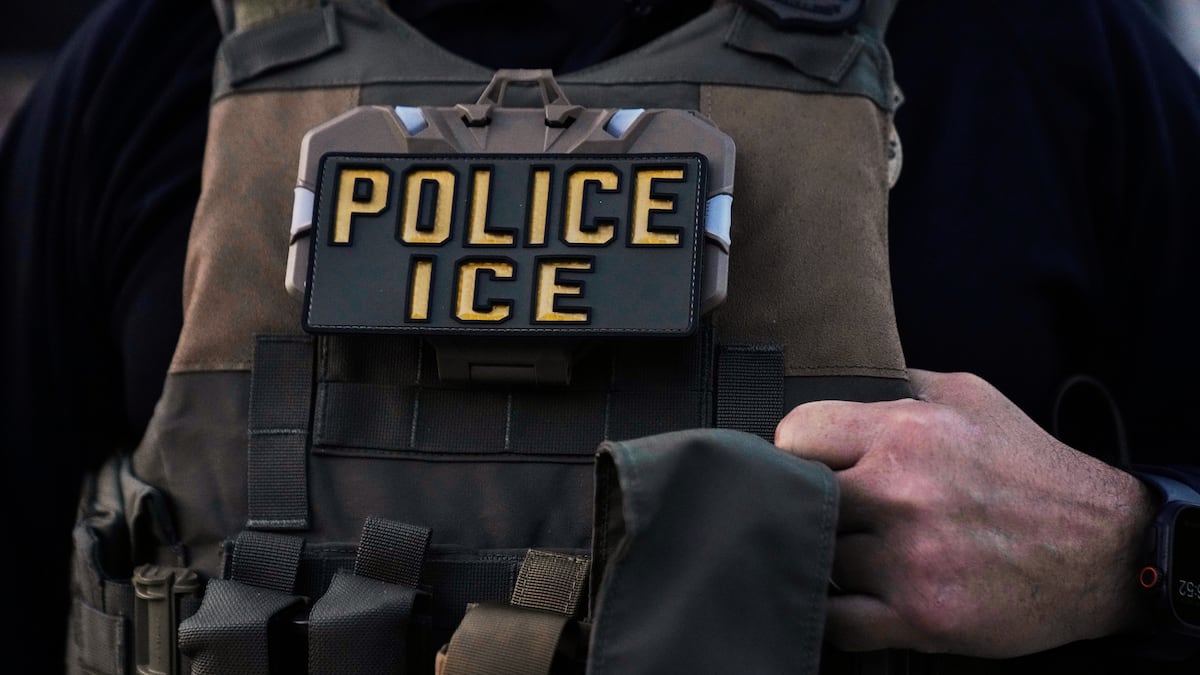
Threatening lethal force in a volatile street encounter, while rejecting de-escalation instructions from dispatch, sets a precedent where federal armed power can be exercised on impulse rather than rule-bound restraint—putting our safety and rights at the mercy of a single officer’s anger. On these facts, the more plausible legal exposure is civil-rights and use-of-force law: if a weapon was displayed to intimidate without lawful justification, it can support claims under 18 U.S.C. § 242 (deprivation of rights under color of law) and related federal civil liability, even if no shot was fired. Even where criminal charges are uncertain, the conduct reflects a breakdown of core governance norms—discipline, proportionality, and accountability—made worse by the absence of any confirmed DHS review or public explanation.