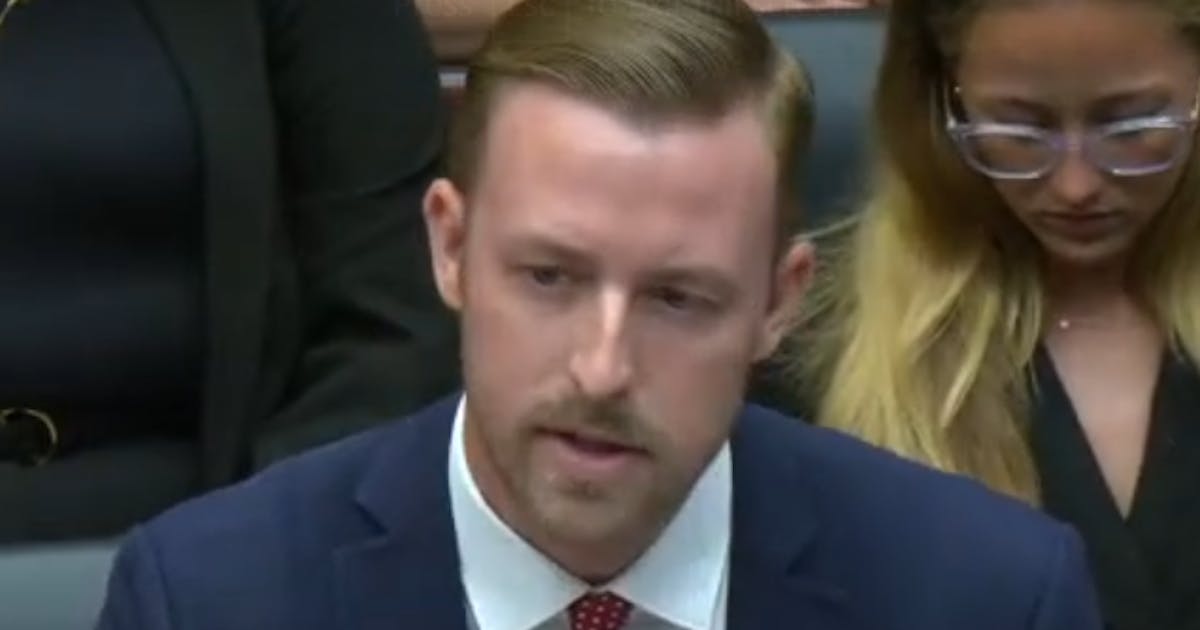
Normalizing a public official’s ability to deny, deflect, and refuse transparency after explicit content appears during an official proceeding invites a template for hiding misconduct and eroding our right to accountable government. If investigators find evidence was deleted, concealed, or devices were withheld, the exposure shifts from embarrassment to potential criminal liability under federal obstruction statutes such as 18 U.S.C. § 1519 and § 1505, as well as any applicable Oklahoma laws governing obstruction or destruction of public records. Even if no criminal intent is proven, the conduct described—explicit content in a closed-door meeting followed by blanket denials and hostility toward scrutiny—shreds core governance norms of evidence preservation, candor, and non-abuse of office.