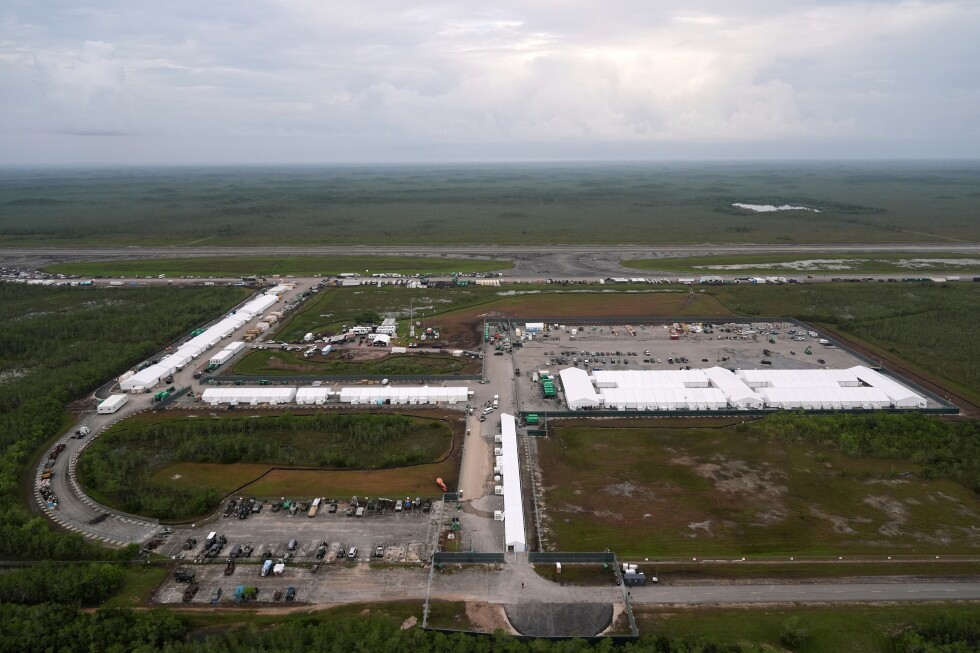
Building a detention complex by emergency decree, on seized county land, while openly touting harsh conditions as a deterrent sets a precedent where executive power becomes a shortcut around accountability, and our rights shrink with every “expedited” exception. On these facts alone, criminality is not established, but the conduct squarely raises core rule-of-law failures: using emergency authority to bypass normal procurement, oversight, and local consent while turning confinement conditions into a political tool. If any part involved corrupt contracting, misuse of federal funds, or falsified procurement records, the exposure could run through federal fraud and corruption statutes such as 18 U.S.C. § 1343 (wire fraud), § 666 (theft/bribery concerning programs receiving federal funds), and § 1001 (false statements), but the record here primarily shows a governance breakdown, not a proven charge. The durable damage is the normalization of “detention by spectacle,” where public administration is reorganized to reward cruelty, speed, and political branding over transparent, lawful process.