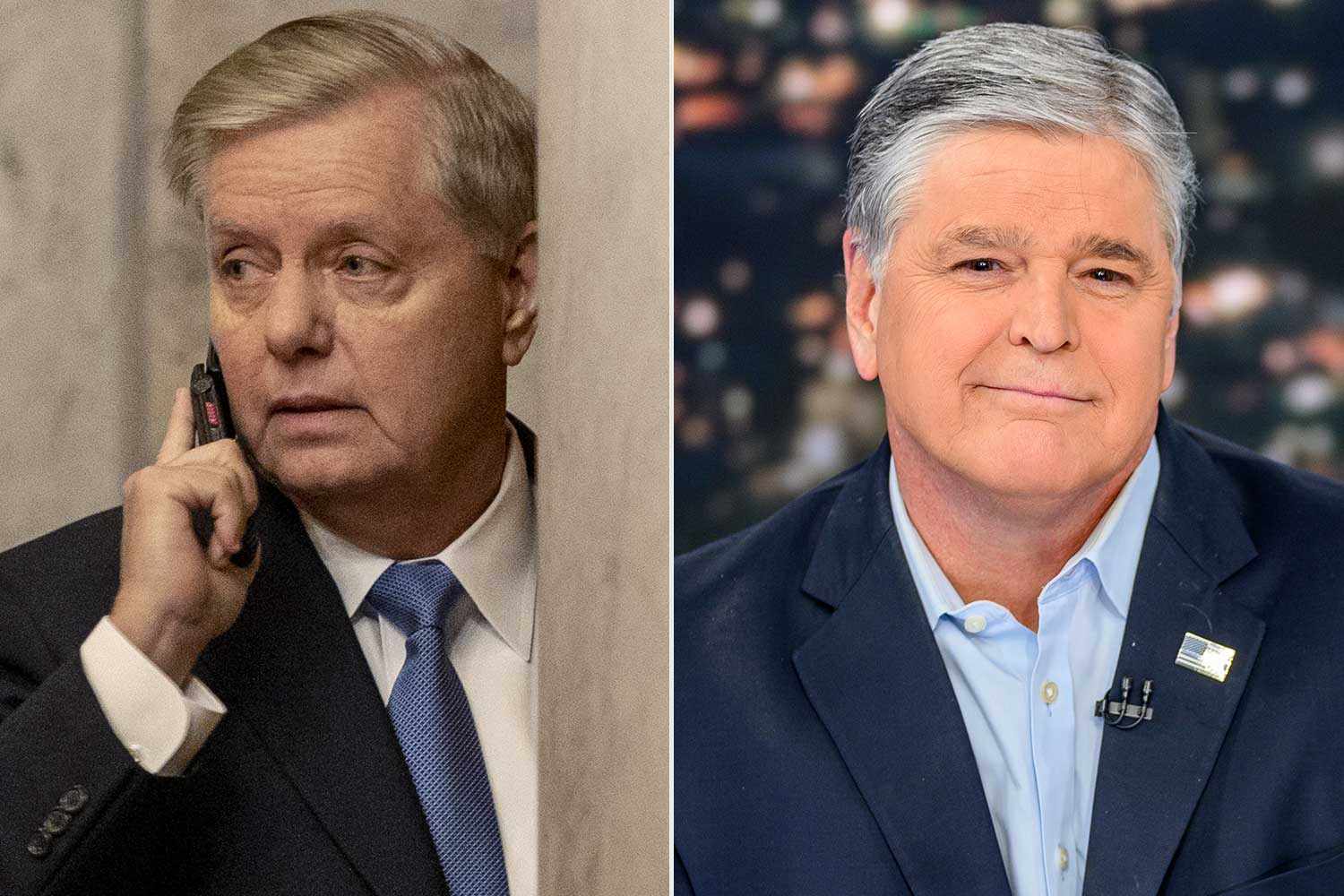
Using public office to amplify partisan media during a shutdown corrodes democratic accountability by shifting leverage from open negotiation to private messaging channels that voters can’t scrutinize. The conduct described is not likely criminal on these facts—there’s no stated quid pro quo, threat, or misuse of federal resources beyond ordinary phone use that would trigger federal bribery (18 U.S.C. § 201) or honest-services fraud (18 U.S.C. §§ 1341, 1343, 1346). But it still normalizes a governance pattern where televised influence competes with legislative duty, leaving our rights and benefits—like pay and SNAP—hostage to spectacle instead of transparent decision-making.