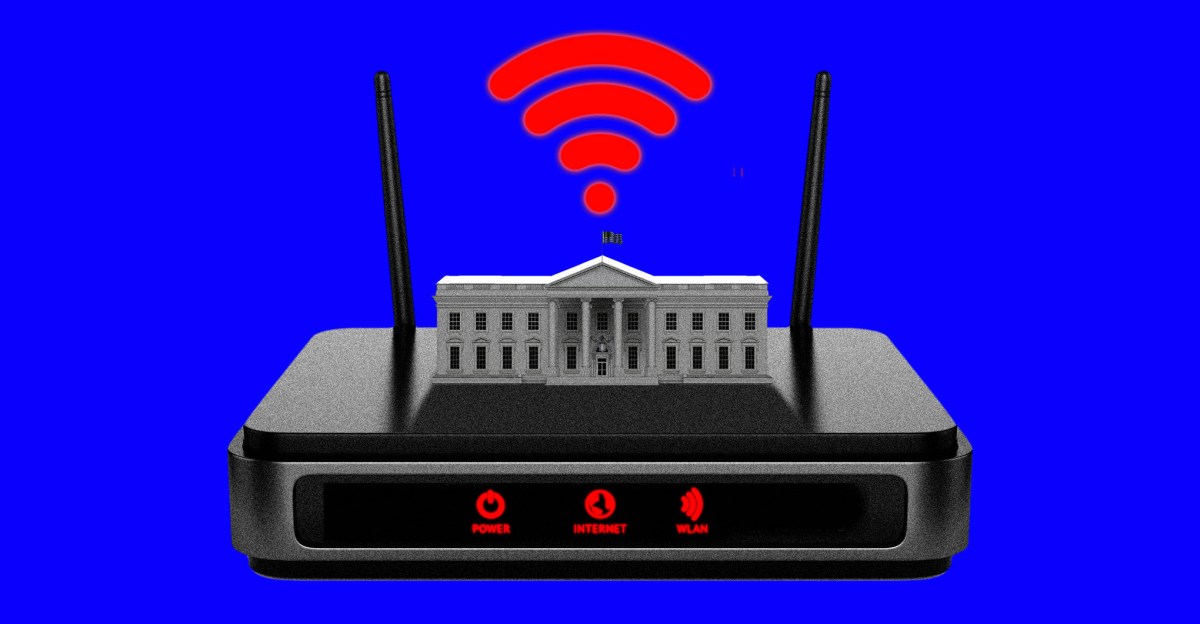
A “donated” communications service into the White House sets a precedent where private benefactors can embed themselves into the federal government’s operational bloodstream, eroding procurement integrity and our ability to trust that decisions are made for the public, not patrons. On these facts alone, criminal exposure is unclear without evidence of a quid pro quo, but the risk zone is obvious: federal bribery and gratuities laws (18 U.S.C. § 201) and honest-services fraud theories (18 U.S.C. §§ 1341, 1343, 1346) turn on intent and benefit tied to official action. Even if no chargeable bargain exists, routing executive connectivity through a “donation” from a contractor owned by a figure described as having unusual influence over the Executive Branch violates the basic anti–pay-to-play norm that protects our rights from quiet capture.