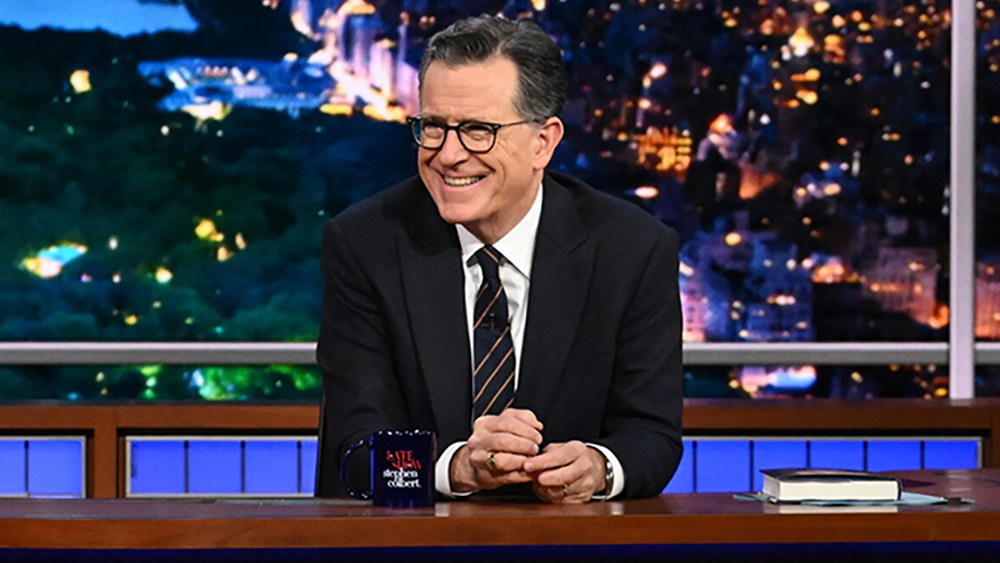
This kind of preemptive, network-imposed censorship under threatened regulatory pressure sets a precedent where officials can chill speech without ever issuing an enforceable order, and our access to political information becomes contingent on corporate fear. Based on the facts provided, the conduct is not likely criminal because it describes internal network decisions and an FCC chair’s letter, not an extortionate demand or a formal deprivation of rights under color of law.
But it is a direct violation of core democratic governance norms: viewpoint-neutral administration of communications policy, resistance to informal coercion, and the public’s expectation that broadcast license holders won’t silently narrow political discourse to avoid regulator retaliation. When networks act “as if” an exemption has been eliminated before it has been, the rule of law is replaced by anticipatory obedience, and that is how rights erode without a single vote or court ruling.