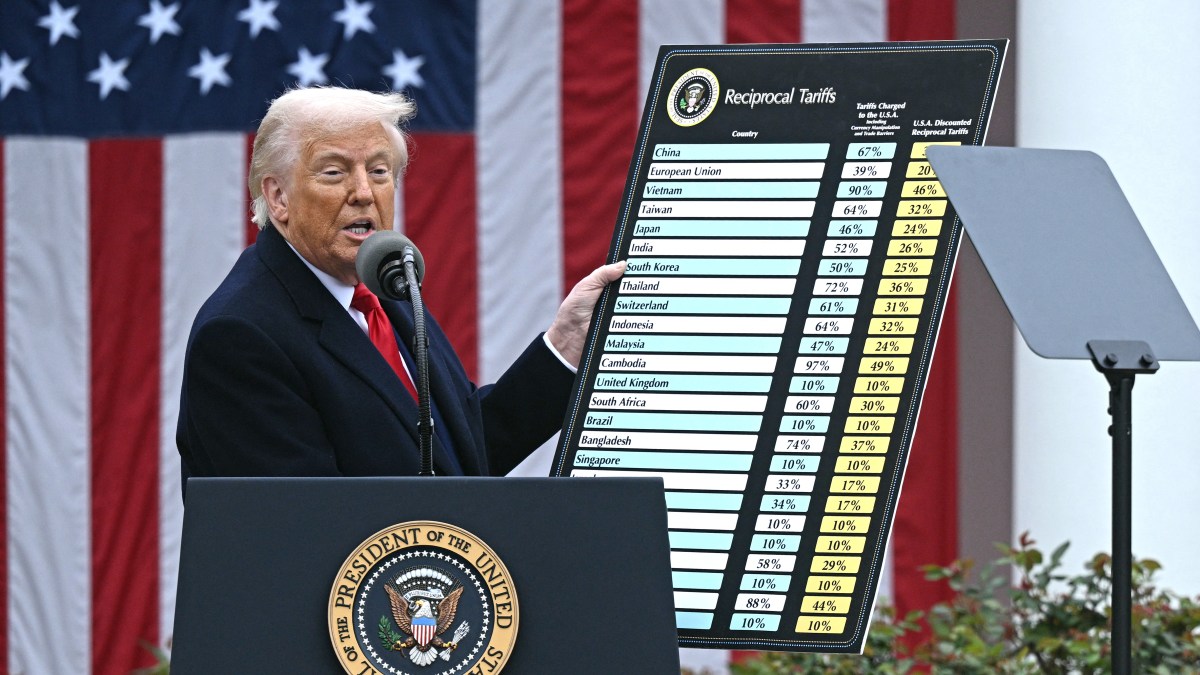
The U.S. Supreme Court ruled on Feb. 20, 2026 that Trump’s tariffs imposed under the International Emergency Economic Powers Act (IEEPA) exceeded the authority Congress granted, invalidating the emergency-tariff program.
The Supreme Court decision did not set a refund framework, leaving the refund question to lower courts and agency implementation.
A large volume of refund litigation followed: roughly 2,000 companies have filed suits in the U.S. Court of International Trade seeking tariff refunds.
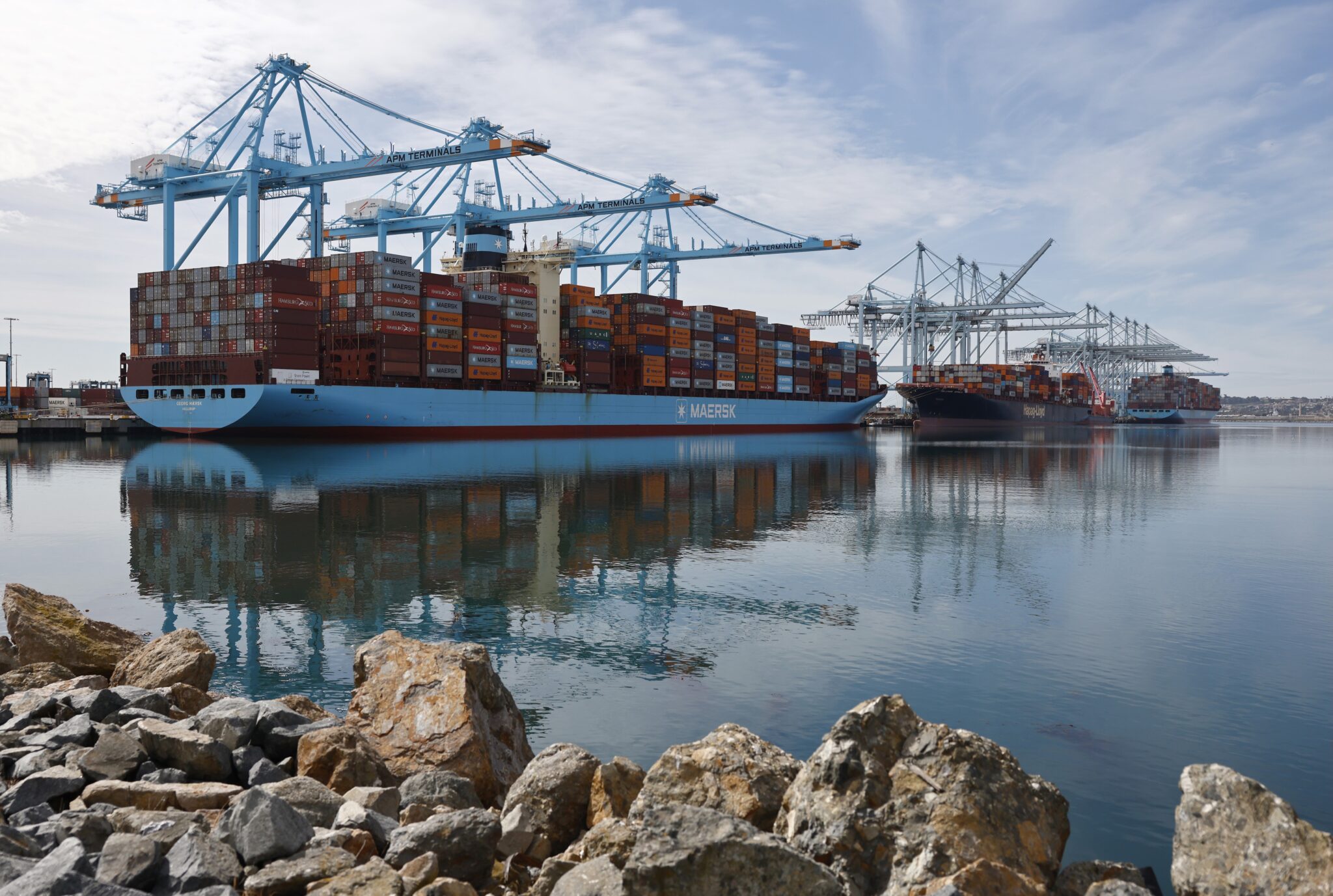
U.S. Customs and Border Protection (CBP) has described the refund task as unusually large in scale because it requires unwinding tariff assessments across many shipments/entries; court filings describe millions of shipments and extensive administrative work.
A Court of International Trade judge (Richard Eaton) ordered the government to begin processing refunds, including with interest, by directing CBP to finalize (“liquidate”) entries without the unlawful tariff being assessed.
The article spotlights an Arizona coffee roaster who paid tens of thousands of dollars and reports a per-pallet cost increase after the tariffs, illustrating cash-flow pressure on small importers.