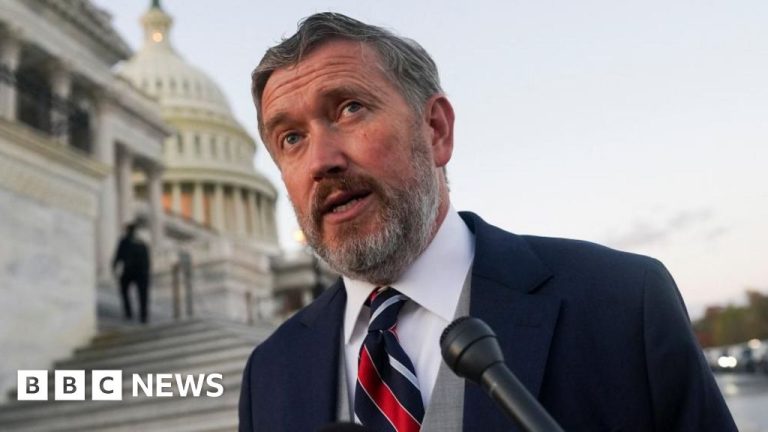
This kind of placement threatens our rights by normalizing politically connected, cross-agency access to the government’s most sensitive systems without clear, publicly accountable safeguards, making unauthorized surveillance and leverage far easier to attempt. The conduct described is not, on its face, a proven crime—but the explicit fears raised track directly to federal exposure under 18 U.S.C. § 641 (theft/conversion of government information), 18 U.S.C. § 1030 (Computer Fraud and Abuse Act), and 18 U.S.C. § 793 (mishandling national defense information) if access or data is misused. Even absent charges, embedding DOGE-linked personnel inside State’s diplomatic technology shop while they pressure federal workers elsewhere is a governance failure that erodes anti–abuse-of-power norms and weakens the integrity of our foreign-affairs machinery.