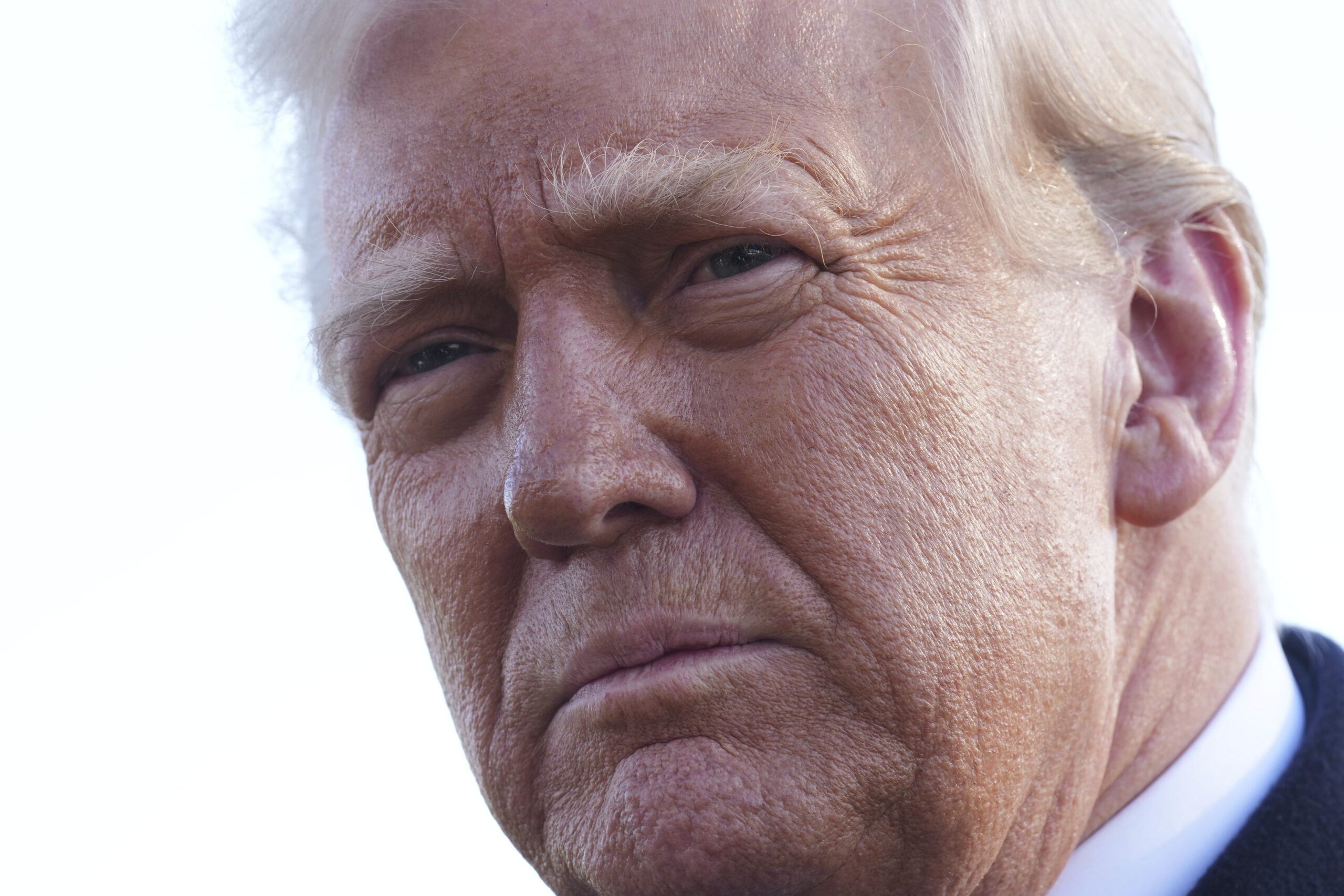
This conduct threatens our rights by using executive power to rewrite election access rules without legislation, coercing states through funding leverage while unleashing federal surveillance and subpoena power over voter registration systems. The most immediate legal risk is abuse of office rather than a clean, easily charged crime: the order’s architecture raises anti–quid-pro-quo and coercion concerns even if courts ultimately frame it as unlawful executive overreach under election statutes and the Constitution’s allocation of election administration. Where criminal exposure could arise is in any willful misuse of federal databases, subpoenas, or investigations to target political opponents or fabricate “fraud” cases—conduct that can implicate 18 U.S.C. § 242 (deprivation of rights), § 241 (conspiracy against rights), and § 1001 (false statements) if the machinery is used to knowingly violate voting rights or falsify predicates. Even short of criminality, turning federal grants, prosecutions, and administrative certification into election-control levers is a precedent that destabilizes democratic self-government by making ballot access contingent on presidential compliance.