Norms Impact
Tech giants sign White House pledge to not pass on data center electricity costs
A voluntary White House pledge substitutes unenforceable corporate promises for accountable energy policy while signaling major grid outcomes without timelines, oversight, or binding public protections.
Mar 5, 2026
Sources
Summary
The White House introduced a voluntary “Ratepayer Protection Pledge” that major tech and AI companies have signed, committing to cover electricity and infrastructure costs tied to data-center demand rather than passing them to consumers.
This frames national energy-grid expansion through nonbinding private commitments while the administration simultaneously accelerates fossil-fuel approvals and lifts environmental restrictions.
With no enforcement mechanism, timelines, or accountability provisions, the pledge can shift public expectations and state-level bargaining over incentives without guaranteeing ratepayer protection.
Reality Check
Normalizing governance by voluntary pledges weakens democratic accountability by replacing enforceable public safeguards with private assurances that can be withdrawn or reinterpreted without consequence. When the executive branch publicly promises consumer price outcomes while offering no mechanisms of compliance, we are conditioned to accept performance theater in place of measurable, auditable governance. Over time, that precedent erodes expectations that major infrastructure burdens, rate impacts, and public subsidies will be governed through transparent rules, enforceable commitments, and clear lines of responsibility.
Detail
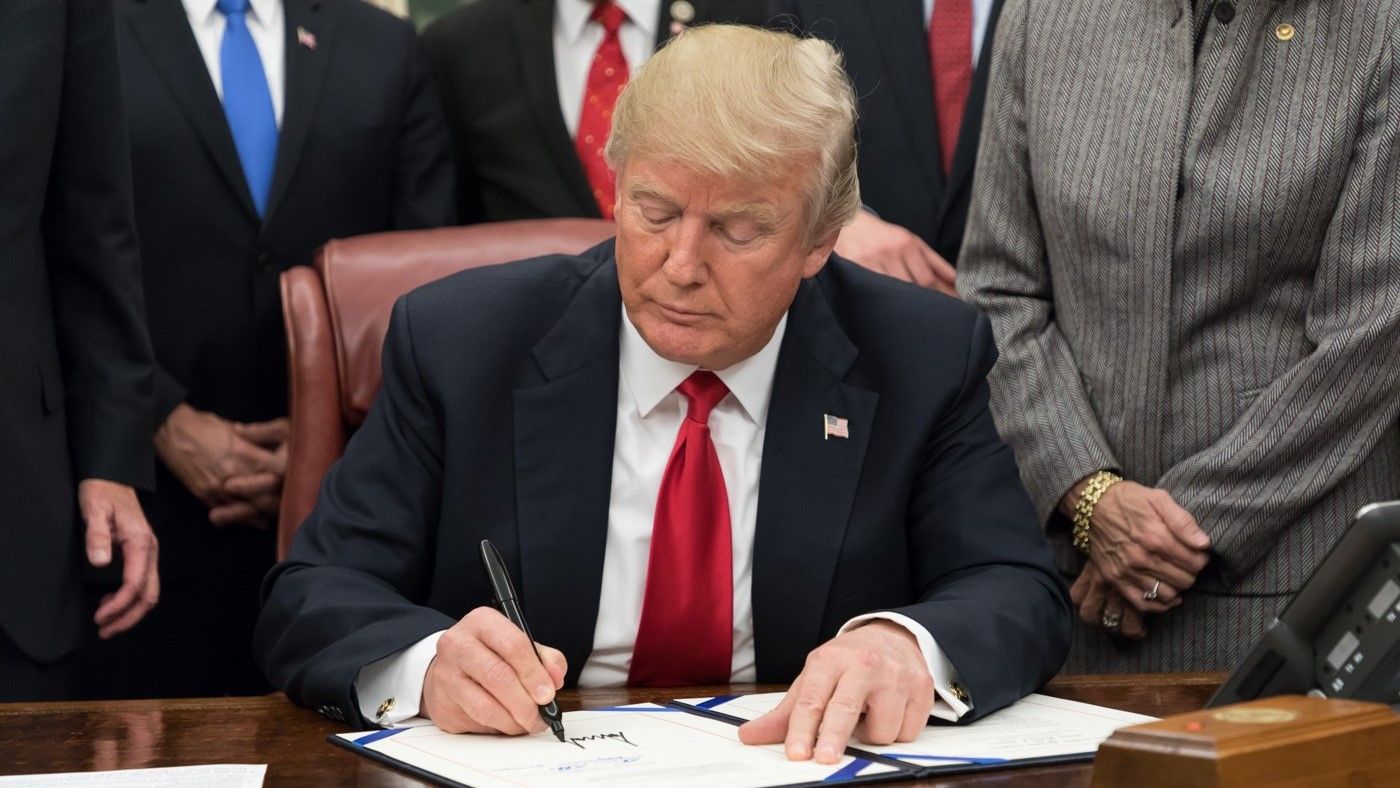
<p>The White House presented a voluntary “Ratepayer Protection Pledge” under which private companies commit to bear costs associated with rising electricity demand from data centers. Signatories include Amazon, Google, Meta, Microsoft, OpenAI, Oracle, and xAI. The pledge encourages companies to “build, bring, or buy” new energy sources to offset their electricity usage and to cover infrastructure upgrades needed to meet their demand, with the stated aim of avoiding higher consumer electricity costs.</p><p>At the signing event, President Donald Trump said the pledge would allow data centers to obtain needed electricity without increasing consumer costs and stated that energy prices would “actually [be] going down.” The context includes rising retail electricity prices since 2022 and large increases in some high–data-center areas over five years. The administration has revoked a prior greenhouse-gas harm determination, cut renewable subsidies, introduced expedited approvals for new fossil-fuel projects, and lifted environmental restrictions; its National Energy Dominance Council secured $15 billion for Mid-Atlantic and Midwest projects.</p><p>The pledge is not legally binding and includes no accountability mechanisms, timelines, or quantified requirements for added supply.</p>