Norms Impact
The decades-long trend that eased the way for Jimmy Kimmel’s suspension
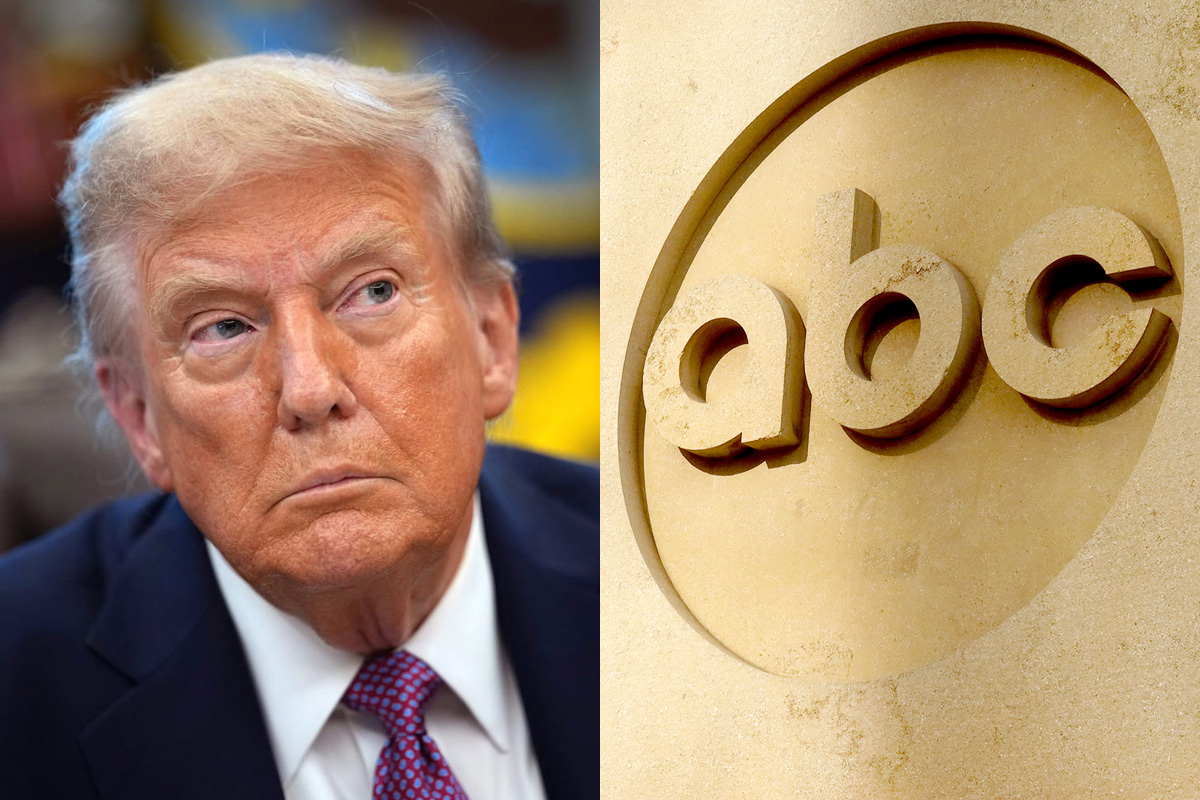
A regulator’s “easy way or hard way” warning met concentrated media ownership—and a national broadcast was silenced while its corporate gatekeepers sought federal approvals.
Sep 21, 2025
⚖ Legal Exposure
Sources
Summary
ABC suspended Jimmy Kimmel’s late-night program nationwide after Nexstar said it would refuse to air the show and Sinclair said it would keep preempting it until Kimmel meets specified demands. The episode showed how concentrated station ownership, paired with federal regulatory leverage, can convert political pressure into effective speech control without a formal ban. The practical consequence is that a small set of gatekeepers can silence national programming while seeking government approvals that affect their profits.
Reality Check
This conduct normalizes government-adjacent coercion of speech by converting regulatory power into a private enforcement mechanism, leaving our rights at the mercy of companies with pending federal business. The most serious legal exposure centers on whether an FCC official used official authority to induce suppression of protected speech, raising federal color-of-law civil-rights concerns under 18 U.S.C. § 242 and deprivation-of-rights conspiracy risk under 18 U.S.C. § 241 if coordinated action can be shown. Even if it falls short of a provable criminal case on current facts, it shreds core governance norms by weaponizing licensing and merger leverage as an informal censorship tool—precisely the kind of quid-pro-quo pressure that democratic stability cannot survive.
Legal Summary
The article describes a strong structural alignment between federal regulatory leverage (FCC chair threat-like language), regulated companies with major pending approvals, and rapid corporate actions suppressing a prominent critic—supporting a Level 3 quid-pro-quo/extortion-style investigative posture. While no explicit agreement or completed regulatory favor is alleged, the timing and regulated-entity context create substantial potential criminal exposure pending investigation.
Legal Analysis
<h3>18 U.S.C. § 201(b) — Bribery (quid pro quo for an “official act”)</h3><ul><li>Article describes regulated entities (Nexstar, Sinclair, Disney/ABC) with major transactions needing FCC/DOJ approval, followed by rapid programming decisions suppressing a critical host after public pressure/threat language from the FCC chair (“easy way or the hard way”).</li><li>Structural inference: regulated companies may be providing a thing of value (favorable treatment to the President/administration by silencing a critic and shaping content) in close temporal proximity to sought-after regulatory action (ownership-cap changes, merger approvals).</li><li>Gap: no explicit agreement, payment, or concrete regulatory benefit granted is stated; however, timing + pending approvals + pressure from a senior regulator supports a bribery-style quid pro quo investigation.</li></ul><h3>18 U.S.C. § 872 — Extortion by federal officers (color of official right)</h3><ul><li>FCC chair’s quoted statement functions as coercive leverage in a regulatory setting (“easy way or the hard way”), paired with subsequent broadcaster refusals and suspension, consistent with using official power to obtain compliance.</li><li>Thing obtained need not be money; the article frames the sought outcome as censorship/content suppression benefiting the administration politically.</li><li>Gap: the article does not specify a direct demand or explicit link to a particular pending matter, but the regulated context and rapid compliance create substantial exposure.</li></ul><h3>18 U.S.C. § 242 — Deprivation of rights under color of law (First Amendment)</h3><ul><li>Article characterizes events as “textbook government censorship,” with federal regulatory pressure preceding private-network suppression of speech.</li><li>Key element is willful use of governmental authority to suppress protected expression; the cited threat-like language by the FCC chair is the principal alleged governmental act.</li><li>Gap: the piece does not provide evidence of formal FCC process abuse (orders, investigations, licensing actions), only public statements and ensuing corporate action.</li></ul><h3>5 C.F.R. § 2635 & general federal ethics/conflict principles — Misuse of position / improper coercion</h3><ul><li>Using regulatory stature to pressure speech-related business decisions by entities with matters before the agency is a paradigmatic misuse-of-office concern.</li><li>The article indicates multiple entities have significant pending approvals, increasing the appearance of coercion and politicized administration.</li></ul><b>Conclusion:</b> The described pattern presents prosecutable structural-corruption risk: regulated entities with major pending approvals appear to respond immediately to coercive regulator signaling by suppressing disfavored speech, aligning “access/regulatory leverage + official pressure + corporate compliance” even without an explicit agreement stated.</p>
Detail
<p>Following jokes by Jimmy Kimmel about Donald Trump and MAGA’s reactions to the assassination of Charlie Kirk, conservative critics said the remarks wrongly implied the alleged assassin was politically conservative. FCC chair Brendan Carr told a conservative commentator, “When we see stuff like this, look, we can do this the easy way or the hard way.”</p><p>Within hours, Nexstar, the largest owner of local television stations, announced it would refuse to air Kimmel’s show. ABC then pulled the program nationwide. Sinclair, the second-largest station owner, said it would continue to preempt Kimmel until he apologizes to Kirk’s family and makes donations to both the family and Kirk’s political organization.</p><p>Each company has pending matters involving federal approval. Nexstar has a $6.2 billion deal to buy Tegna that would require FCC approval and a rule change to exceed the current 39% household reach cap. Sinclair also seeks lifting the ownership cap. Disney, ABC’s parent, has deals under federal review, including DOJ review of a Fubo transaction and regulatory approval tied to an ESPN stake sale involving the NFL.</p>