Norms Impact
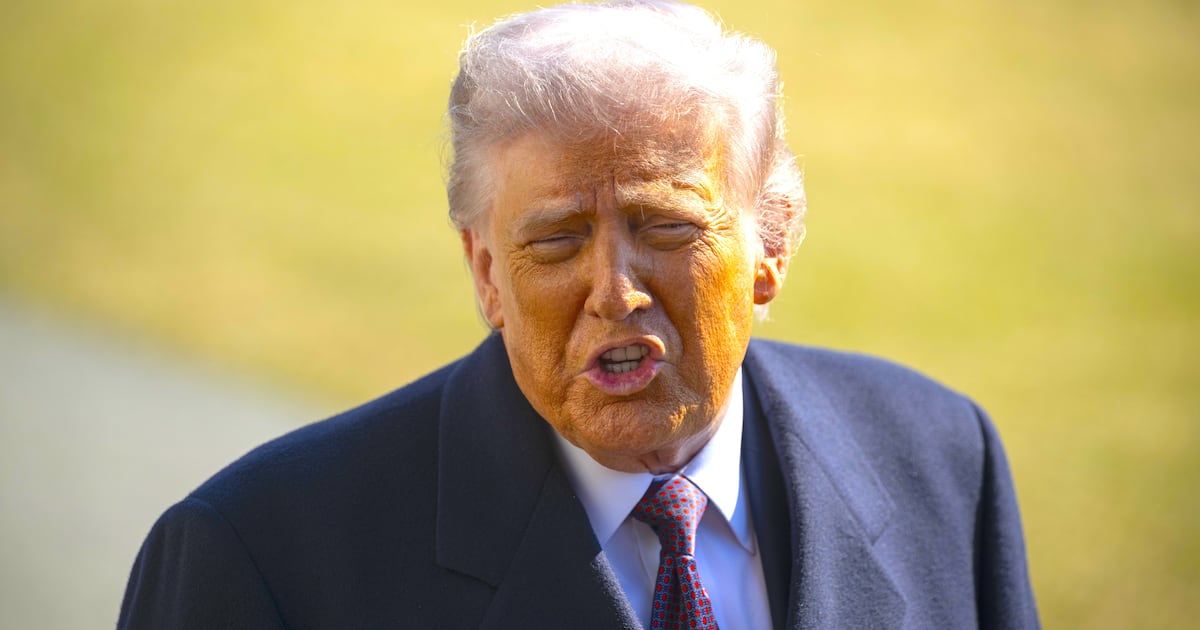
Trump, 79, Posts Crazed 4 AM Rant Right After Starting War
A president launched combat operations without Congress and urged foreign regime overthrow, collapsing the constitutional firewall meant to restrain unilateral war-making.
Feb 28, 2026
⚖ Legal Exposure
Sources
Summary
President Donald Trump announced U.S. “major combat operations” in Iran alongside Israel and acknowledged potential American casualties. He did so without congressional approval while publicly urging Iranians to “take over your government,” blending military action with personal political grievances. The immediate consequence is a precedent for unilateral war-making paired with overt incitement toward regime change, weakening the constitutional and diplomatic guardrails meant to constrain executive power.
Reality Check
Unilateral war-making without Congress strips the legislature of its constitutional power to decide when our nation goes to war, normalizing a presidency that can initiate combat by personal decision and public post. Publicly encouraging the overthrow of another government while bombs are falling further erodes diplomatic and legal constraints, signaling that regime change can be declared as an executive objective without democratic authorization. When this conduct becomes routine, our separation of powers weakens into a formality, and the country is conditioned to accept war as a tool of presidential will rather than a decision accountable to the public through Congress.
Legal Summary
The primary exposure is a serious investigative red flag stemming from initiating major combat operations against Iran without congressional approval as described, implicating War Powers/authorization compliance issues. The remaining conduct (rhetorical calls for regime change and politically charged posts) does not, on the provided facts, establish a transactional corruption pattern or complete criminal elements but could support further inquiry into abuse-of-power or obstruction-adjacent theories if additional official actions emerge.
Legal Analysis
<h3>50 U.S.C. § 1541 et seq. (War Powers Resolution) — use of force absent congressional authorization</h3><ul><li>Alleged facts indicate the president initiated “major combat operations” against Iran and that the war “has not been approved by Congress,” raising a serious legality and oversight red flag regarding compliance with statutory reporting/authorization constraints.</li><li>Article context does not provide details on notifications to Congress, claimed Article II authority, or any statutory AUMF basis, leaving key elements/defenses unresolved but still warranting investigation.</li></ul><h3>18 U.S.C. § 2385 / 18 U.S.C. § 2383 (advocacy of overthrow/rebellion) — urging overthrow of a foreign government</h3><ul><li>The president allegedly called for the Iranian people to “take over your government” after U.S. bombing; while these statutes principally target domestic rebellion/seditious activity, the rhetoric raises potential policy/legality concerns but lacks clear statutory fit on the provided facts.</li><li>No facts indicate coordination with U.S. persons to commit domestic rebellion or provision of material support to an insurrection under U.S. jurisdiction.</li></ul><h3>18 U.S.C. § 1512 / § 1505 (obstruction-related theories) — retaliatory or pressuring conduct tied to investigations</h3><ul><li>The post-war timing of messages amplifying claims about a prosecutor who previously investigated Trump may signal politicized retaliation narratives, but the article supplies no official act (e.g., DOJ direction, threats, funding interference) tied to impeding a proceeding.</li><li>No explicit use of governmental power against identified targets is described beyond public posting, so elements are presently incomplete.</li></ul><b>Conclusion:</b> The article chiefly presents a procedural/constitutional-investigative red flag (use of force without congressional approval) rather than a money-access-official-action quid pro quo; on these facts, it is not yet a prosecutable structural corruption case but merits scrutiny for statutory compliance and potential abuse-of-power implications.
Detail
<p>In an eight-minute video message posted overnight, President Donald Trump said the United States and Israel had joined forces to attack Iran and that the U.S. had launched “major combat operations” after months of pressuring Tehran to accept a new nuclear deal. Trump stated that the conflict had not been approved by Congress and said American service members could be killed or wounded.</p><p>In the same message, Trump urged the Iranian public to “seize control of your destiny” and “take over your government” after the U.S. bombing campaign, calling it “probably your only chance for generations.”</p><p>Hours later, at 4:44 a.m., Trump used Truth Social to share a JustTheNews item asserting Fulton County District Attorney Fani Willis had been urged by the Biden Justice Department to apply for a grant while investigating Trump’s efforts to overturn Georgia’s 2020 election results. Trump also shared another JustTheNews post implying the Iran war was justified because Iran “sought to undermine” his 2020 reelection bid.</p>