Norms Impact
Trump administration plans to demolish White House
A privately donor-funded White House ballroom is driving East Wing demolition while oversight is queued after teardown, normalizing government-by-donor and procedural end-runs on public heritage.
⚖ Legal Exposure
Sources
Summary
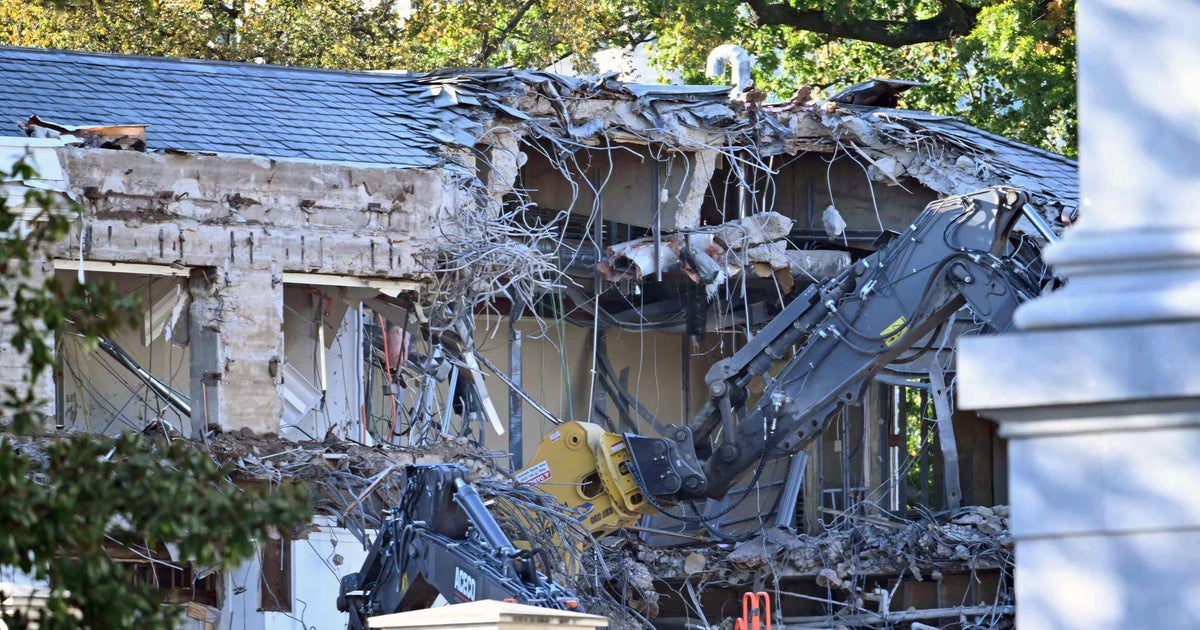
The Trump administration is planning to demolish the entire White House East Wing as early as this weekend to facilitate construction of a new ballroom. The project advances a privately donor-funded redesign of federal property while key oversight appears sequenced after demolition rather than before it. Public tours have been suspended for about two months and core White House workspaces and security infrastructure are being disrupted and rebuilt during the process.
Reality Check
Letting private donors underwrite major alterations to the seat of executive power while demolition proceeds ahead of meaningful public review sets a precedent that corrodes our right to transparent, accountable government. On these facts, the more likely exposure is corruption-by-appearance rather than a clear-cut federal crime, but any donor benefit tied to official action would raise immediate federal bribery and gratuities risks under 18 U.S.C. § 201 and honest-services fraud under 18 U.S.C. §§ 1343 and 1346. Even without provable quid pro quo, moving fast on demolition while deferring the planning commission process and contemplating donor recognition invites a culture of pay-to-access governance that weakens democratic stability and public trust in how federal property is controlled.
Legal Summary
The described seven- and eight-figure private donor funding for a White House ballroom, coupled with potential donor name recognition, creates a serious appearance-and-influence concern and a plausible corruption investigative theory. However, the article does not identify donor-specific official actions, agreements, or concrete benefits in return, keeping the exposure at an investigative red-flag level rather than a likely criminal quid-pro-quo case.
Legal Analysis
<h3>18 U.S.C. § 201 (Bribery of public officials and witnesses)</h3><ul><li>Article states the $300M project will be funded by private donors, including seven- and eight-figure pledges, while the administration undertakes major official action on federal property (demolition and construction planning).</li><li>Democratic critics expressly question whether donors (including major tech companies) are “getting anything in return,” raising a quid-pro-quo investigative theory (thing of value ↔ official act), but the article does not identify any specific official act benefiting a donor or any agreement/intent.</li><li>Gap: no donor identities, no described governmental decisions conferring particularized benefits to donors, and no stated link between any pledge and any official action beyond the construction project itself.</li></ul><h3>5 C.F.R. Part 2635 (Standards of Ethical Conduct / appearance concerns)</h3><ul><li>Large private donations to fund a high-profile White House addition, coupled with potential donor recognition (names etched into bricks), creates an appearance of purchasing prestige/access tied to official operations at the seat of government.</li><li>Even absent a specific quid pro quo, the described donor branding/recognition concept implicates ethics concerns about use of public office for private gain or preferential treatment.</li></ul><h3>40 U.S.C. / Federal property & planning process (procedural compliance risk)</h3><ul><li>Historic groups urge a public review process; former planning commission member notes it is atypical to separate demolition from a construction application, indicating potential procedural irregularity in federal property project sequencing.</li><li>White House asserts plans will be submitted to the National Capital Planning Commission, suggesting process is ongoing, but the article flags a potential deviation from customary consultation timing.</li></ul><b>Conclusion:</b> The article presents significant investigative red flags—large private pledges funding a White House project and potential donor recognition—without enough facts to charge a money-for-official-action quid pro quo; exposure is primarily ethics/procedural with corruption-risk indicators warranting scrutiny.
Media
Detail
<p>Two senior administration officials told CBS News the Trump administration plans to demolish the entirety of the White House’s East Wing as early as this weekend as part of a project promoted by President Trump to add a ballroom to the complex.</p><p>President Trump said Wednesday the ballroom will cost $300 million, increased from an earlier $200 million estimate. The White House says the project will be funded entirely by private donors, including some who have pledged seven- or eight-figure amounts. Construction crews were seen earlier this week tearing down part of the East Wing’s facade.</p><p>Sources familiar with the matter said demolition has focused on an area that includes first lady Melania Trump’s offices and dozens of other workspaces; the East Wing movie theater will be modernized. The White House visitors’ office has been affected, and tours—typically beginning in the East Wing—have been suspended for about two months, with officials expecting an updated route soon. Sources said the bunker under the East Wing will be upgraded by the White House Military Office.</p><p>The National Trust for Historic Preservation urged a pause until a public review process occurs. A White House official said plans will be submitted to the National Capital Planning Commission, and a former member said separating demolition from a construction application is atypical.</p>