Norms Impact
Trump approves disaster declarations for red states, as blue states go without
A president tying FEMA disaster aid to electoral loyalty turns federal emergency relief into a partisan lever, eroding the baseline norm that government serves all Americans equally in crisis.
Oct 24, 2025
⚖ Legal Exposure
Sources
Summary
President Donald Trump approved major disaster declarations for Alaska, Nebraska, North Dakota, and the Leech Lake Band of Ojibwe while denying requests from Vermont, Illinois, and Maryland and leaving other states awaiting decisions. The administration’s disaster-relief posture is being publicly framed through the president’s own electoral success in certain states, signaling a shift toward partisan-conditioned access to federal aid. Communities in denied or delayed states face stalled infrastructure repair and reduced survivor support despite documented flooding damage.
Reality Check
Weaponizing disaster declarations as a reward for political support sets a precedent where our access to emergency protection depends on electoral alignment, not need—and that corrodes equal citizenship. On these facts, it reads less like ordinary discretion and more like a public suggestion of quid pro quo governance; the closest federal criminal frameworks would be 18 U.S.C. § 201 (bribery), § 595 (interference by administrative employees), and honest-services fraud under § 1346, but proving a criminal exchange would require evidence beyond electoral bragging and disparate outcomes. Even if it never meets a charging standard, the conduct openly violates core anti–patronage norms for federal benefits and invites a system where disaster victims become bargaining chips in partisan power contests.
Legal Summary
The article describes overt politicization of FEMA disaster declarations, with approvals for states the President highlights as electoral wins and denials for states he lost heavily. That pattern raises significant investigative concern for abusive, partisan administration of federal benefits, but the facts presented do not show a transactional quid-pro-quo, fraud, or a clear deprivation-of-rights theory sufficient for likely criminal exposure on their own.
Legal Analysis
<h3>18 U.S.C. § 242 — Deprivation of rights under color of law</h3><ul><li>Alleged pattern: approving FEMA major disaster declarations and aid for states the President publicly links to his electoral victories while denying or delaying similarly situated requests from states he lost heavily.</li><li>Potential theory would require proof of willful deprivation of a federally protected right; disaster declarations are typically discretionary, and the article does not establish a specific protected right to a declaration or discriminatory intent against a protected class.</li><li>Gaps: facts show partisan/political favoritism, but not willful rights deprivation as to race, religion, etc., or a clearly enforceable individual entitlement.</li></ul><h3>18 U.S.C. § 371 — Conspiracy to defraud the United States (impairing lawful government functions)</h3><ul><li>Using federal disaster-relief decisionmaking to serve partisan ends could be framed as impairing FEMA’s impartial function.</li><li>However, the article provides no evidence of an agreement, covert means, false statements, or concealment—only overt, political messaging and outcomes.</li><li>Gaps: lacks described collaborators, deceptive acts, or operational steps to “defraud” beyond politicized discretion.</li></ul><h3>5 C.F.R. Part 2635 — Standards of Ethical Conduct (improper use of position / impartiality principles)</h3><ul><li>Publicly tying aid decisions to electoral support (“which I won BIG”) supports an inference of using official action to reward allies and punish opponents.</li><li>The described uneven treatment between red and blue states reflects an appearance of partiality inconsistent with basic executive-branch ethics norms (even if not clearly criminal on the stated facts).</li></ul><b>Conclusion:</b> The conduct described reflects a serious investigative red flag for politicization and abuse of discretionary disaster-relief authority, but the article does not establish a money-for-official-act structure or the statutory elements needed to charge classic corruption offenses based on these facts alone.
Detail
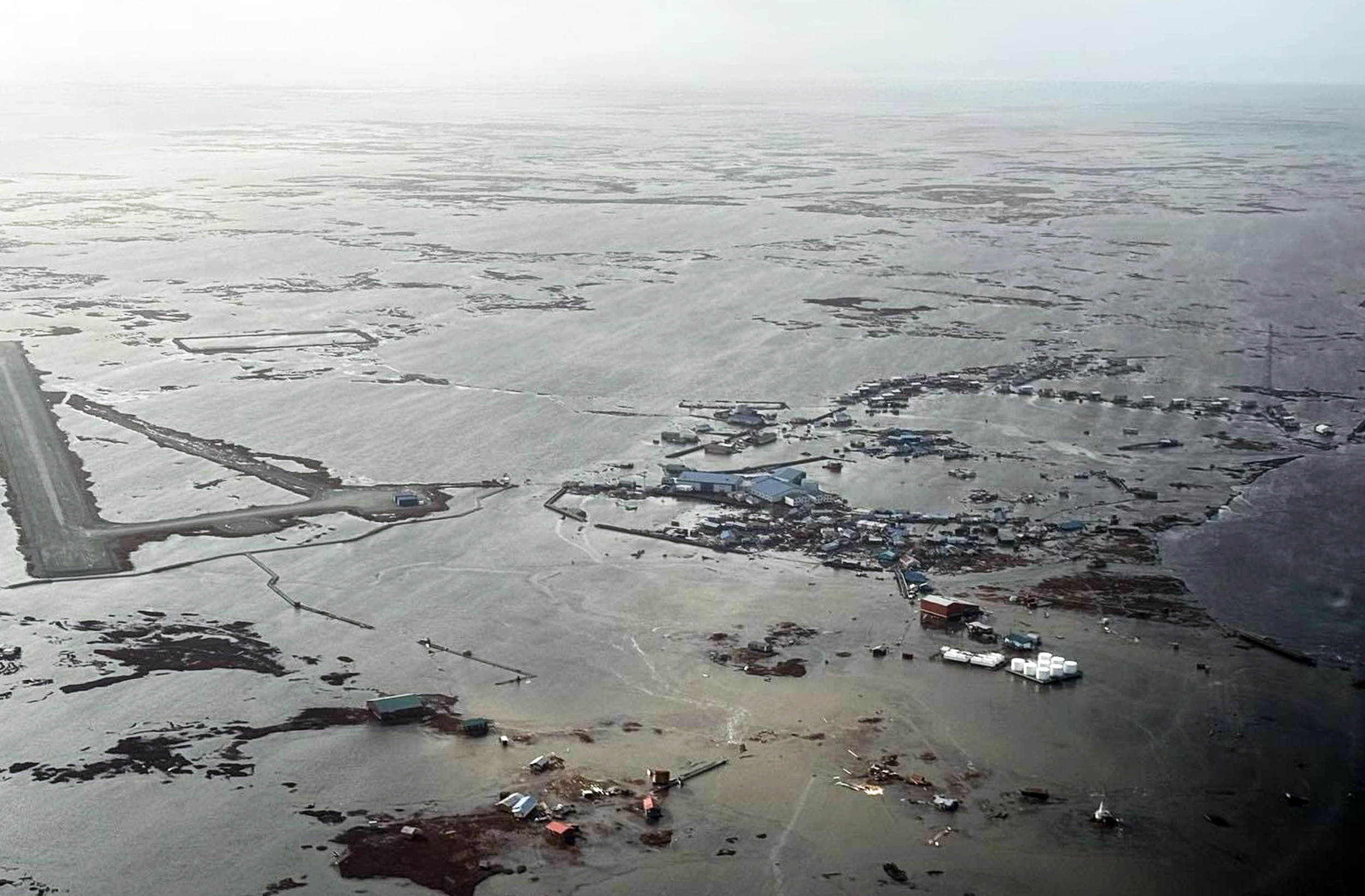
<p>On Wednesday, President Donald Trump posted on his social media platform that he personally approved $2.5 million in disaster aid for Missouri, followed by posts one minute apart approving $15 million for Nebraska and $25 million for Alaska. In those posts, he referenced his electoral performance, including writing that Alaska was a state “which I won BIG in 2016, 2020, and 2024,” and praised “incredible Patriots.”</p><p>Late Wednesday, Trump approved major disaster declarations for Alaska, Nebraska, North Dakota, and the Leech Lake Band of Ojibwe. The Associated Press reported that the White House denied disaster-declaration requests from Vermont, Illinois, and Maryland and left other states still waiting for answers. The declarations authorize FEMA to provide federal financial assistance for repairing public infrastructure and, in some cases, survivor assistance for repairs and temporary housing.</p><p>Maryland’s request included an appeal for reconsideration after denial for May flooding affecting the state’s two westernmost counties; Democratic Gov. Wes Moore called the denial “deeply frustrating” and said disaster relief had been politicized. Vermont’s request followed significant flooding damage in July.</p>