Norms Impact
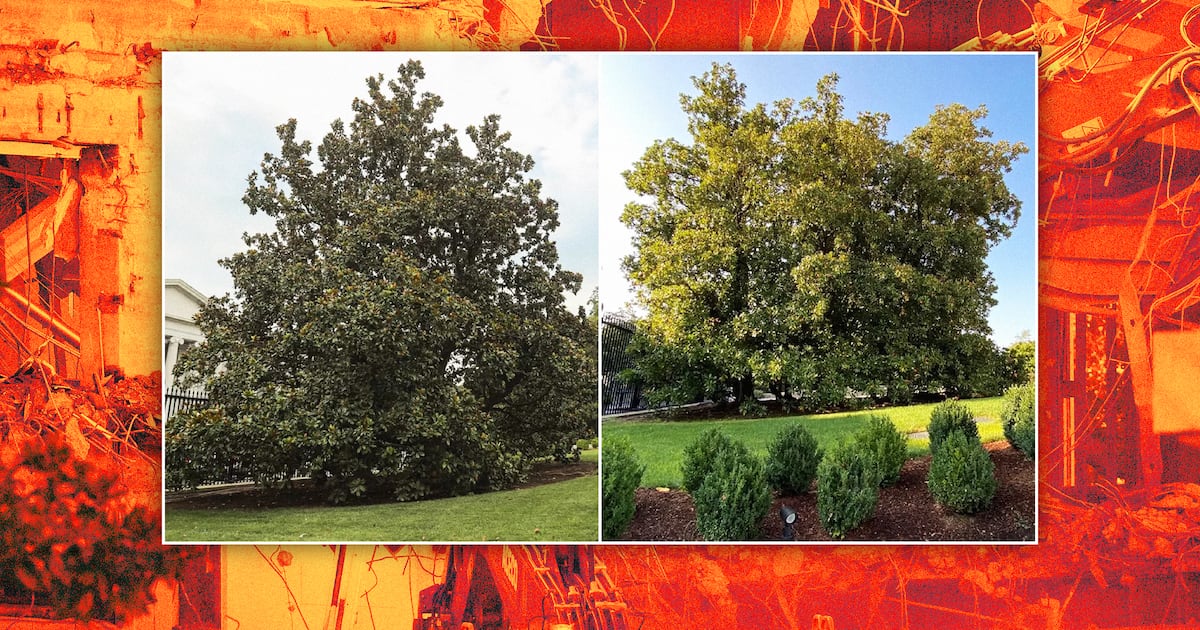
Trump Rips Out Presidents’ Historic Trees for New Ballroom
Historic White House trees and public-facing East Wing spaces were erased without disclosed plans, normalizing unilateral destruction of national civic property by presidential whim.
Oct 24, 2025
Sources
Summary
Six trees, including southern magnolias commemorating Presidents Warren G. Harding and Franklin D. Roosevelt, were removed from the White House grounds as the East Wing was abruptly demolished. The presidency is being used to permanently alter nationally significant public property without disclosed plans, timelines, or accounting for historic assets. The practical consequence is an irreversible loss of civic heritage and public access infrastructure tied to tours, state events, and the institutional footprint of the First Lady’s office.
Reality Check
This kind of unilateral, opaque alteration of the people’s house weakens democratic stability by teaching that national public assets—and our shared history—can be destroyed without accountability or disclosure. On the facts provided, the conduct is not clearly criminal, but it squarely violates core governance norms: stewardship of public property, transparency in major governmental changes, and respect for civic spaces that anchor public access and institutional continuity. When a president promises not to alter the existing White House and then abruptly demolishes key structures while historic commemorations disappear, the precedent is that power can rewrite the physical record of our democracy first and answer questions later.
Detail
<p>Satellite imagery shows that six trees were cut down or removed from the White House grounds in the week the East Wing was demolished. The missing trees include southern magnolias commemorating Warren G. Harding and Franklin D. Roosevelt, and a Yoshino cherry tree planted in 2023 by Jill Biden and Japan’s former first lady, Kishida Yuko.</p><p>ABC News reported that trees outside the East Wing were chopped down or relocated about a month before the building’s demolition; the White House has not stated what happened to the trees.</p><p>The demolition and associated clearing eliminated or displaced the Jacqueline Kennedy Garden and removed the family theater, the Office of the First Lady, the East Colonnade, the East Garden Room, and the White House’s eastern entrance. The East Wing, in place since 1902, served as a primary entry point for public tours, dignitaries, and foreign leaders attending state dinners and receptions.</p><p>An administration official said the East Wing will be “modernized and rebuilt,” but no timeline or renderings have been provided.</p>