Norms Impact
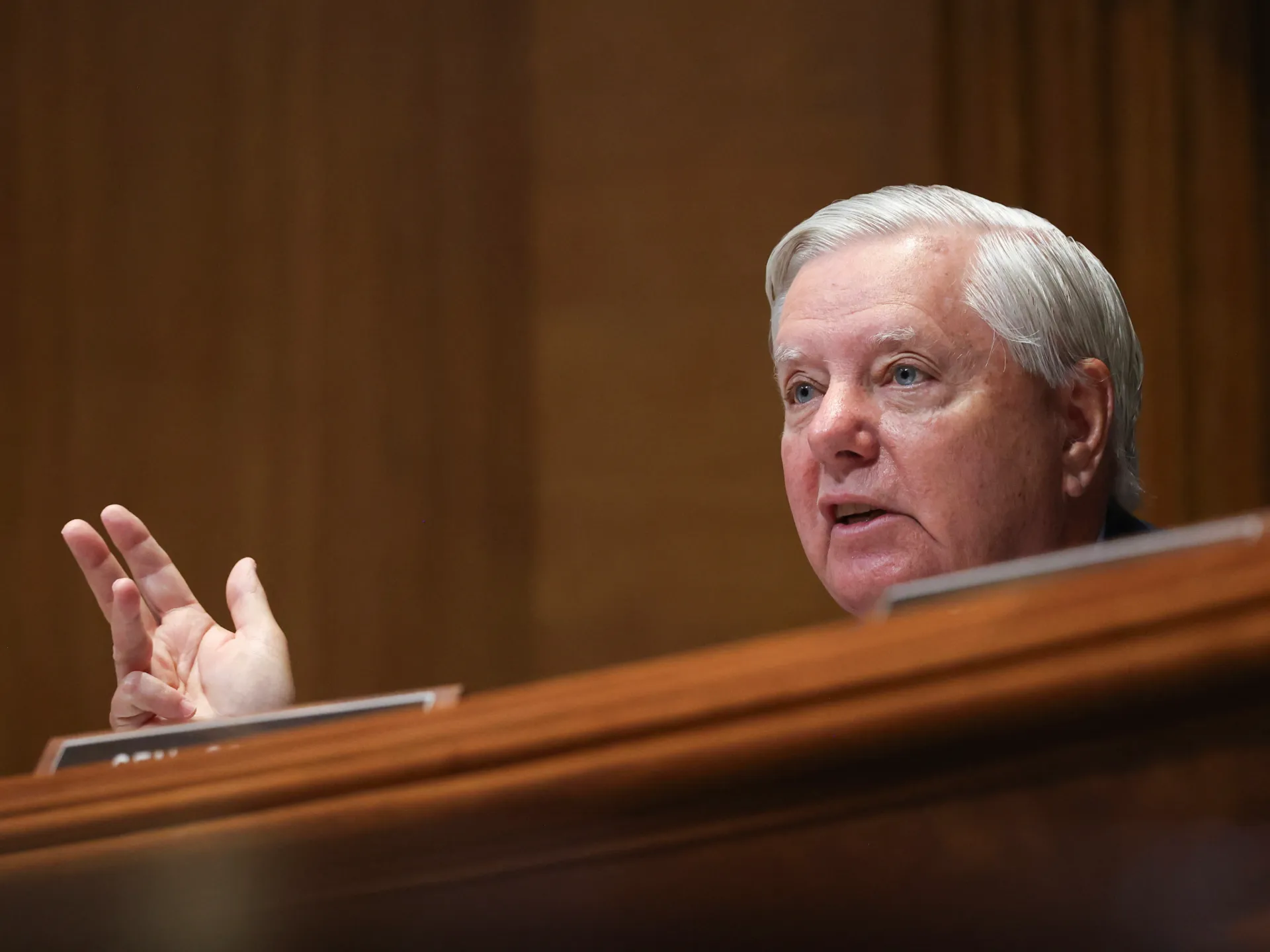
‘We’re going to make a tonne of money’: US Senator Graham on US war on Iran
A US senator publicly cast regime change as a “good investment” for control over oil, flattening war powers into profit logic and corroding democratic restraints on force.
Sources
Summary
Senator Lindsey Graham said it was worth spending money to “take this regime down” in Iran and predicted the US would “make a tonne of money” after the regime falls. A sitting US senator publicly framed the use of force and regime change as an investment tied to access to oil reserves and geopolitical leverage. Normalizing profit and resource extraction as a war rationale weakens democratic checks on war powers and corrodes anti-corruption expectations around national security decisions.
Reality Check
Legitimizing war as a pathway to “make a tonne of money” conditions the public to accept violence as a profit instrument rather than a last-resort security decision bounded by law and oversight. When elected officials frame regime change as an investment tied to resource control, it erodes anti-corruption norms and blurs the line between national interest and material gain. Over time, this rhetoric weakens Congress’s duty to scrutinize force authorizations and normalizes executive war-making insulated from democratic accountability.
Detail
<p>On Sunday, US Senator Lindsey Graham spoke on Fox News and issued a warning to Iran’s government while arguing for spending money to remove the regime. Graham said, “When this regime goes down, we are going to have a new Middle East, and we are going to make a tonne of money.”</p><p>He linked US actions involving Venezuela and Iran to oil reserves, stating that “Venezuela and Iran have 31 percent of the world’s oil reserves” and describing a future “partnership with 31 percent of the known reserves.” Graham characterized this outcome as “China’s nightmare” and called it “a good investment.”</p><p>In the same remarks, he appeared to connect the US abduction of Venezuela’s leader Nicolas Maduro and the attack on Iran to gaining control over each country’s oil supplies.</p>