Norms Impact
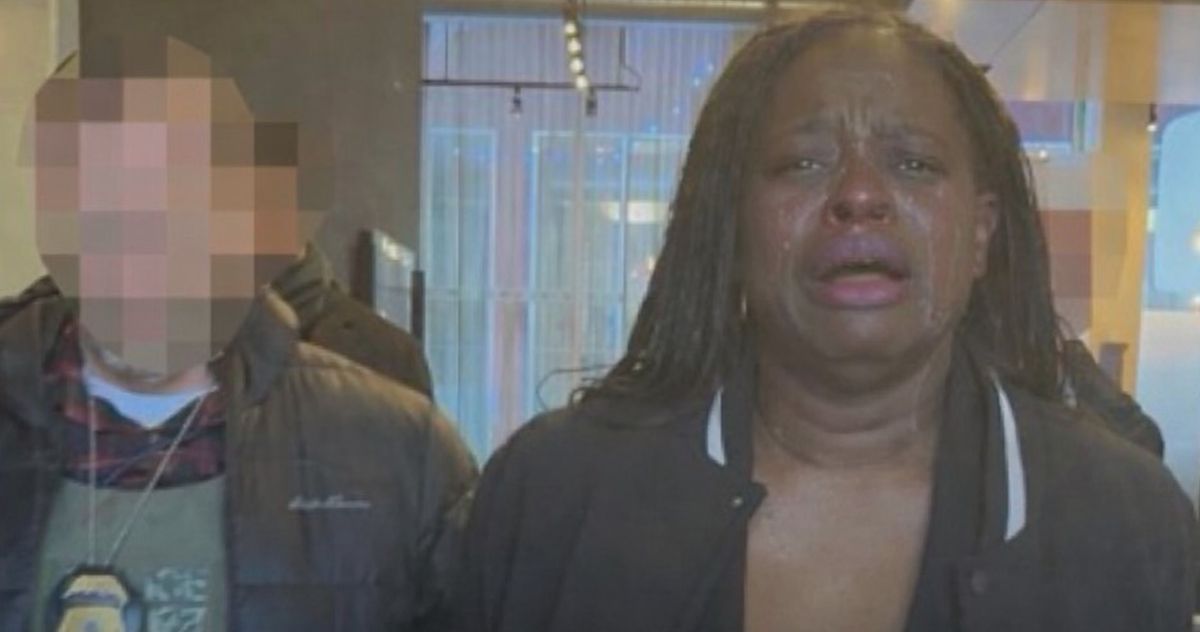
White House Posts AI-Altered Photo of Arrested Protester
The White House used an AI-altered arrest image to mock a detainee, collapsing the boundary between lawful enforcement and state-sponsored disinformation.
Jan 23, 2026
⚖ Legal Exposure
Sources
Summary
The White House posted a digitally altered image of a handcuffed Minnesota protester to make her appear to be crying, and the administration confirmed the manipulation. Federal law enforcement action and White House messaging were fused into a single, mocking propaganda stream that treats state power as content. The practical consequence is a government-normalized incentive to distort evidence-like visuals about arrests, weakening public trust and chilling lawful dissent and reporting.
Reality Check
State power fused with falsified imagery is a direct threat to our rights because it trains the public to accept manufactured “evidence” about arrests and dissent, making future abuses easier to sell. The conduct is unlikely to fit classic fraud statutes without a scheme to obtain money or property, but it squarely violates core governance norms against weaponizing official communications to mislead, intimidate, and humiliate citizens. When the same administration directing arrests also broadcasts manipulated visuals, we should treat it as a precedent for coercive propaganda that chills speech and erodes confidence in due process.
Legal Summary
The article describes federal officials using an AI-manipulated image of an arrestee on official social media in a mocking manner, which presents an ethics and misuse-of-position concern. The facts provided do not show money-access-official-action alignment or a transactional scheme, and they do not supply elements for a clear criminal civil-rights or obstruction charge absent additional evidence.
Legal Analysis
<h3>5 C.F.R. § 2635.101(b) & § 2635.702 — Standards of Ethical Conduct / Misuse of Position</h3><ul><li>The White House publicly posted an AI-altered image of an arrestee to depict her as sobbing, despite confirmation the image was manipulated and a witness (her attorney) stating she was calm.</li><li>The stated posture—“Enforcement of the law will continue. The memes will continue.”—suggests use of official communications channels to ridicule a private citizen in connection with an ongoing federal enforcement action.</li><li>This aligns with misuse-of-position and dignity-of-office concerns (government speech leveraging arrest imagery for mockery), even without evidence of financial gain or a transactional quid pro quo.</li></ul><h3>18 U.S.C. § 242 — Deprivation of Rights Under Color of Law (criminal)</h3><ul><li>Article facts show reputational ridicule via manipulated government-posted imagery, but do not allege coercion, force, unlawful arrest, or willful deprivation of a specific constitutional right tied to the image manipulation.</li><li>Key gap: no allegation that the manipulation caused or was used to accomplish a deprivation of liberty, denial of due process, or interference with counsel/courts; reputational harm alone typically does not satisfy §242 elements.</li></ul><h3>18 U.S.C. § 1512 / § 1503 — Witness tampering / obstruction (criminal)</h3><ul><li>The conduct is described as propaganda/mocking, not as intimidation aimed at altering testimony or obstructing judicial proceedings.</li><li>Key gap: no allegation of intent to influence or impede an investigation/case through the manipulated image.</li></ul><b>Conclusion:</b> The described conduct most strongly reflects an ethics/misuse-of-office issue involving official communications and ridicule of an arrestee, rather than prosecutable structural corruption or a clearly chargeable criminal deprivation/obstruction based on the stated facts.</p>
Media
Detail
<p>On Thursday, U.S. Attorney Pam Bondi said she directed FBI and Homeland Security agents to execute an arrest warrant against Nekima Levy Armstrong, alleging she helped plan a protest that disrupted services at Cities Church in St. Paul, Minnesota. Bondi later announced arrests of Chauntyll Louisa Allen and William Kelly in connection with the incident. The FBI said the individuals are being investigated for possible violations of the FACE Act, which it described as barring threats to houses of worship.</p><p>The government reportedly sought to press charges against Don Lemon, who was present at the protest, but a Minnesota judge declined to approve the criminal complaint; his lawyer said Lemon was reporting as a journalist.</p><p>The White House promoted Armstrong’s arrest on social media using an AI-manipulated image that altered her expression to appear tearful. Homeland Security Secretary Kristi Noem shared what appeared to be the unaltered version. Armstrong’s attorney said she was calm during the arrest. The administration confirmed to CNN that the image was manipulated, and a spokesperson said, “Enforcement of the law will continue. The memes will continue.”</p>