Norms Impact
Zelenskyy: Only by visiting Ukraine will Trump understand who the aggressor is and who must be pressured
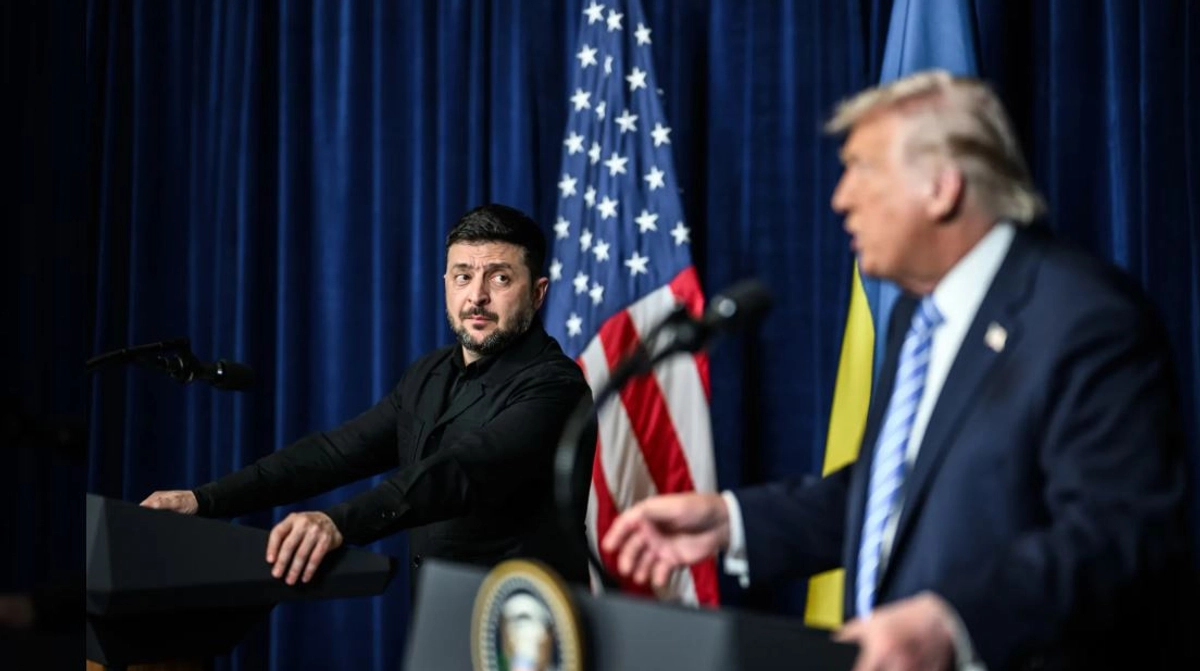
A wartime leader is urging a US president to witness the battlefield firsthand to direct American pressure at the true aggressor—testing how our foreign policy is shaped by proximity, not institutions.
Sources
Summary
Volodymyr Zelenskyy said only a visit to Ukraine would allow the US president to see who the aggressor is and who must be pressured. He positioned US presidential engagement as a determining factor in directing pressure toward Russia. That framing seeks to shape how American power is deployed in war-ending negotiations and what terms of “peace” our government treats as legitimate.
Reality Check
Using the US presidency’s coercive leverage as a bargaining chip in wartime diplomacy can harden into precedent where personal visits and optics, not institutional assessment, drive who we pressure and why—and that ultimately shapes our security and our tax dollars. Nothing described is likely criminal: a foreign head of state urging US policy is not, on these facts, a federal offense, and it does not map cleanly onto bribery (18 U.S.C. § 201) or foreign influence crimes without any solicitation of a “thing of value” or clandestine conduct. The risk is governance, not prosecution: our system is weakest when foreign-policy decisions hinge on personalized persuasion rather than transparent, accountable processes that protect the public interest.
Detail
<p>Speaking near a public memorial in Kyiv on the fourth anniversary of Russia’s full-scale invasion, President Volodymyr Zelenskyy urged a visit by the US president to Ukraine.</p><p>Zelenskyy said that only by coming to Ukraine and seeing the country’s conditions firsthand could the US president understand “who the aggressor is” and “who must be pressured.” He described Ukraine as “defending life,” and characterized the war as “an attack by a sick state on a sovereign one,” not “a street fight.”</p><p>He stated that Vladimir Putin is “this war,” calling him both the cause of its beginning and “the obstacle to its end,” and said “it is Russia that must be put in its place” in order to achieve “real peace.”</p>