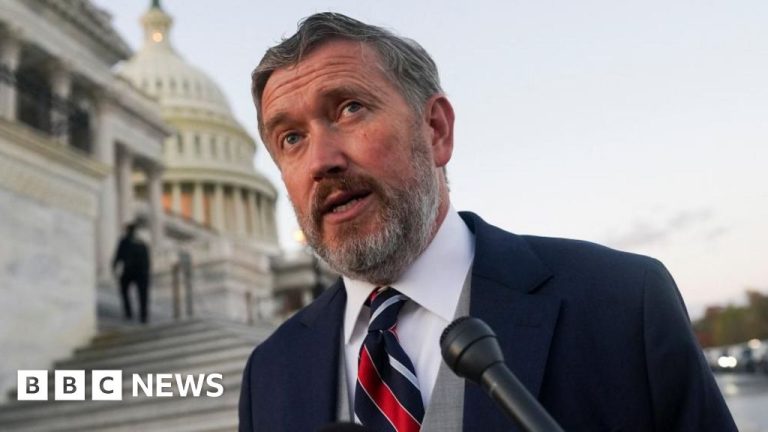
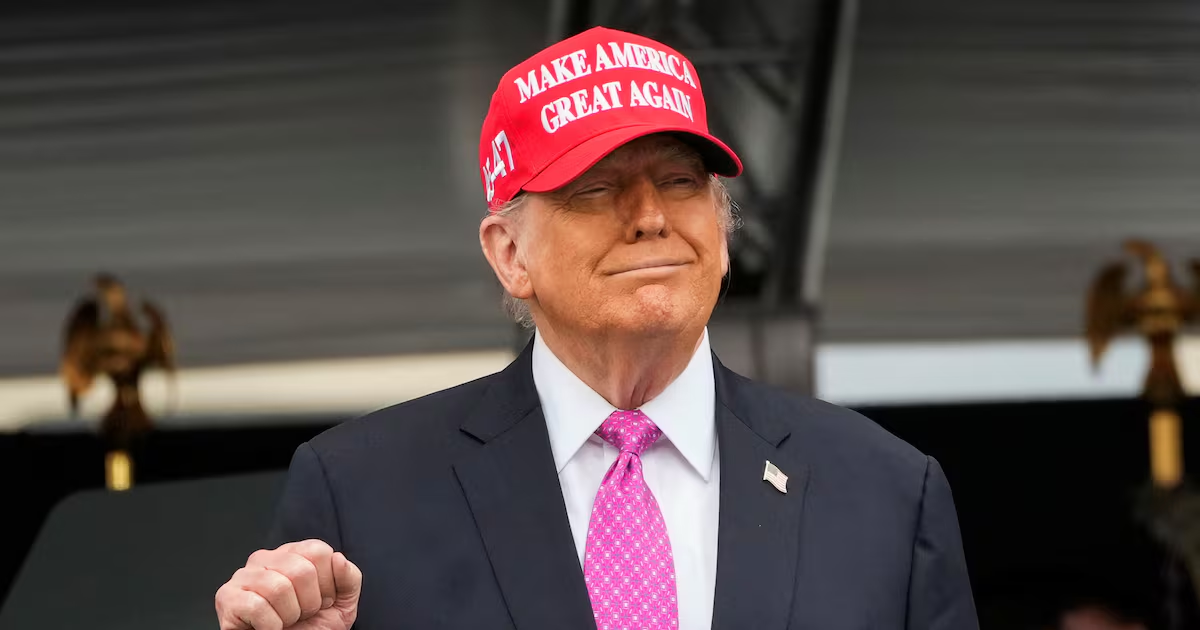
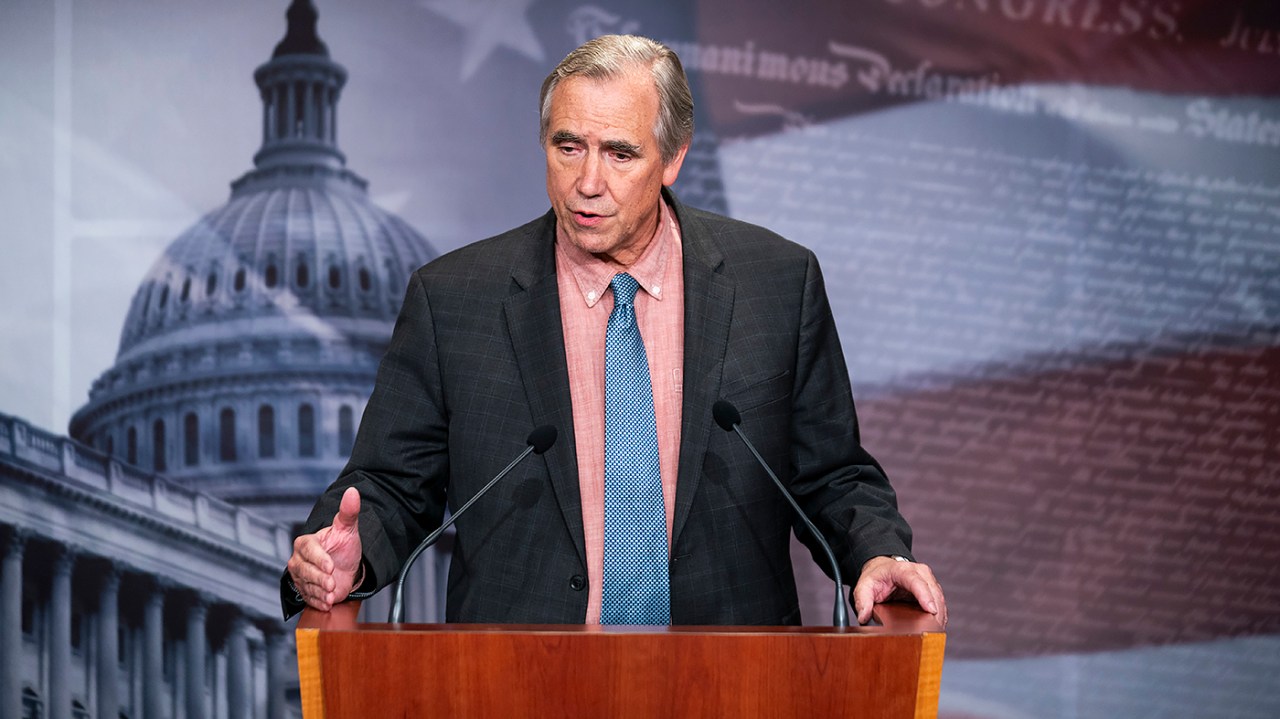
Using a shutdown to tolerate—or normalize—partial food assistance for tens of millions sets a precedent where basic needs become bargaining chips, and that weakens our democratic stability and our own security in moments of political stalemate. Blocking a non-binding resolution is not itself likely criminal, but the underlying conduct described—threatening or conditioning government action to extract political concessions—tracks classic abuse-of-office and anti–quid-pro-quo governance red flags. If any official action were tied to an explicit exchange of “reopen the government” votes for distributing benefits, prosecutors would scrutinize federal bribery and extortion frameworks, including 18 U.S.C. § 201 and the Hobbs Act, 18 U.S.C. § 1951. Even without a chargeable bargain, our institutions take damage when essential benefits are treated as leverage rather than administered on a predictable, nonpartisan basis.