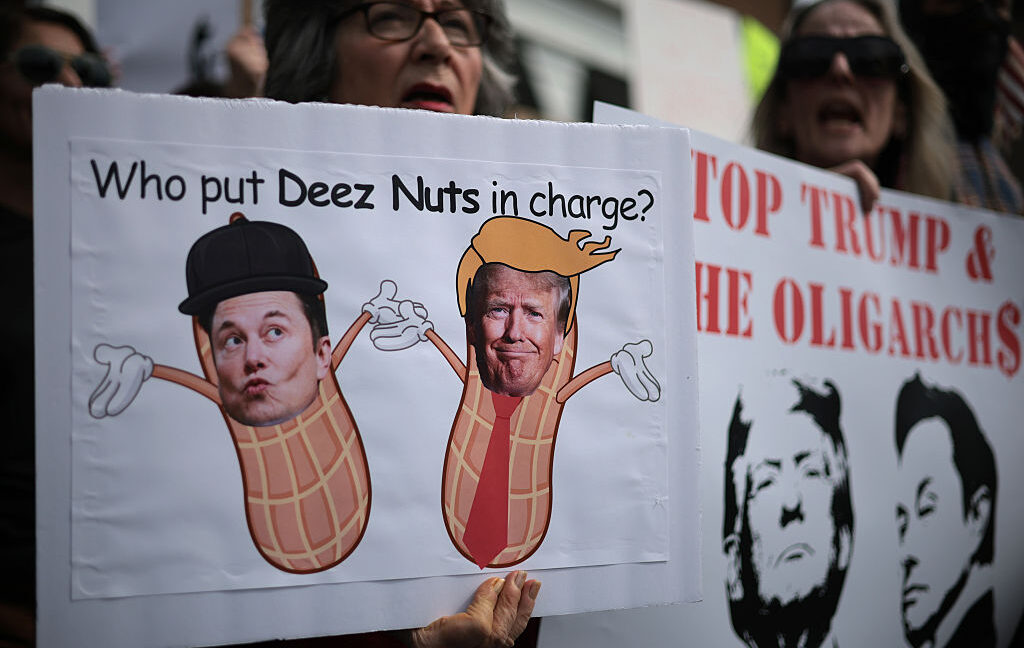
U.S. District Judge Tanya S. Chutkan (D.D.C.) partially denied the government’s motion to dismiss, allowing plaintiffs’ core theory to proceed that DOGE’s head functioned as an “Officer of the United States” requiring lawful appointment under the Appointments Clause.
The government argued Musk did not hold an office formally established by law and therefore did not require Senate confirmation; the judge called that position “disquieting” because it would let a president evade constitutional checks by creating an unlawful office and filling it unilaterally.
At the pleading stage, the court found plaintiffs sufficiently alleged DOGE leadership involved “weighty and important” powers, “almost ‘unchecked’ discretion,” and “minimal supervision,” with reporting essentially only to the president.
The lawsuit was brought by nonprofits claiming harm from DOGE-driven cuts and later consolidated with a coalition of states led by New Mexico; it was filed in February 2025 and consolidated in 2025, and plaintiffs contend the claims apply to Musk’s successors as well.
The ruling leaves open a remedy where, if plaintiffs prevail, the court could vacate Musk-initiated policies or cuts that are causing ongoing harm.
The complaint and the court’s analysis reference Musk’s public posts and statements as evidence of direction and control over government actions (used to support “ultra vires” claims of action beyond lawful authority).
The executive order architecture around DOGE includes a “U.S. DOGE Service Temporary Organization” with a stated termination date of July 4, 2026, but plaintiffs argue the broader DOGE entity and its leader appear more permanent than that date implies.
The decision is procedural: it does not conclude Musk (or DOGE leadership) was unconstitutional; it finds plaintiffs plausibly alleged enough facts to continue litigating key claims.